The Female Peacock: Characteristics and Facts
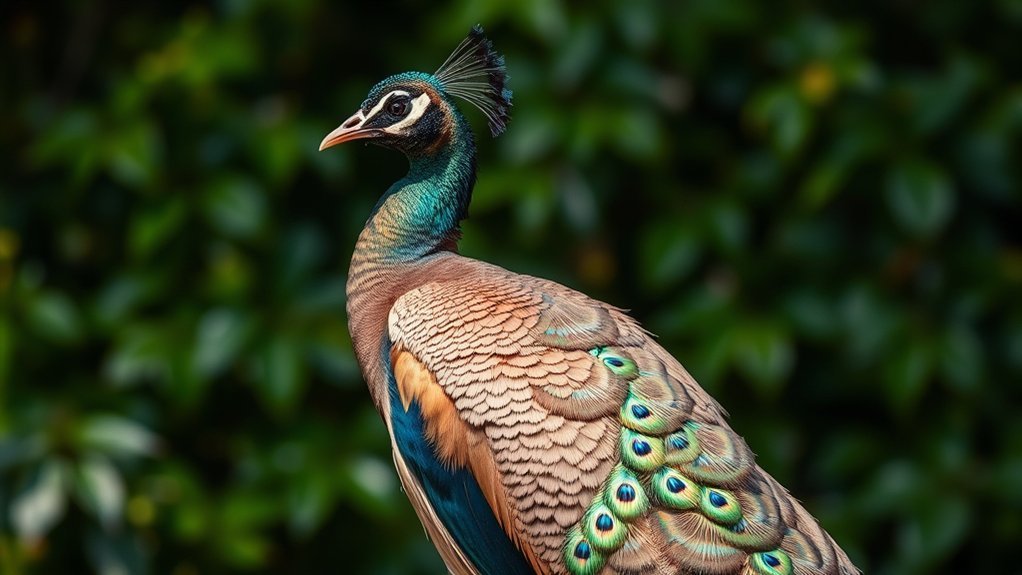
When you see a peahen, you might not notice her beauty right away. She doesn't have the bright colors like a peacock. Instead, her feathers are soft and warm, helping her blend into nature. This helps her stay safe from predators. But there's more to her than just looks. Peahens are attentive moms and take care of their young in ways that are different from peacocks. Their skills for survival are impressive. So, what other facts can you learn about them?
A Quick Overview
Peahens are smaller than peacocks. They have soft colors like browns and tans that help them blend in with their surroundings. Unlike peacocks, peahens are usually quiet. They spend their time looking for food and taking care of their babies.
What do peahens eat? They like to munch on seeds, grains, and insects. This food is important for keeping them healthy and helping them raise their chicks.
When it's time to lay eggs, peahens build their nests in thick plants to keep the eggs safe. They usually lay between 3 to 8 eggs in one round.
Peahen populations need our help because they face threats. Habitat loss, poaching, and climate change make it hard for them to survive. It is important to protect these beautiful birds and their homes.
The Appearance of the Peahen
The Peahen's Appearance
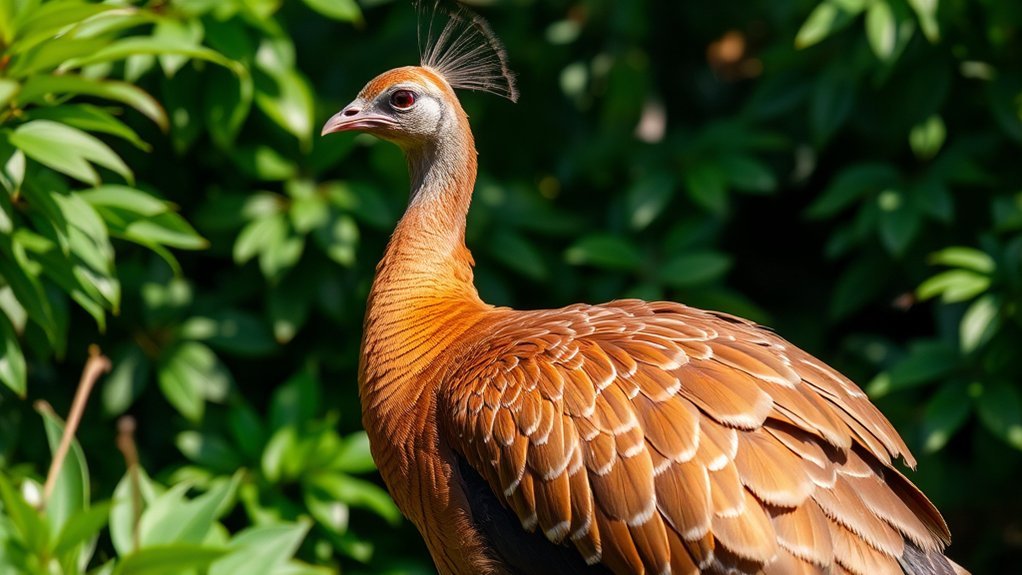
The peahen often gets less attention than the peacock, but she's her own special beauty. She's soft colors like browns and tans. These colors help her blend in with nature, which is very helpful for keeping her and her babies safe.
Peahens are usually smaller than peacocks. This smaller size gives them a graceful look. Their slim bodies and gentle features make them stand out in a natural way.
Watching a peahen reminds us that beauty can be simple. You don't always need bright colors and fancy displays to be beautiful.
Contrasting Behaviors: Peahens vs. Peacocks
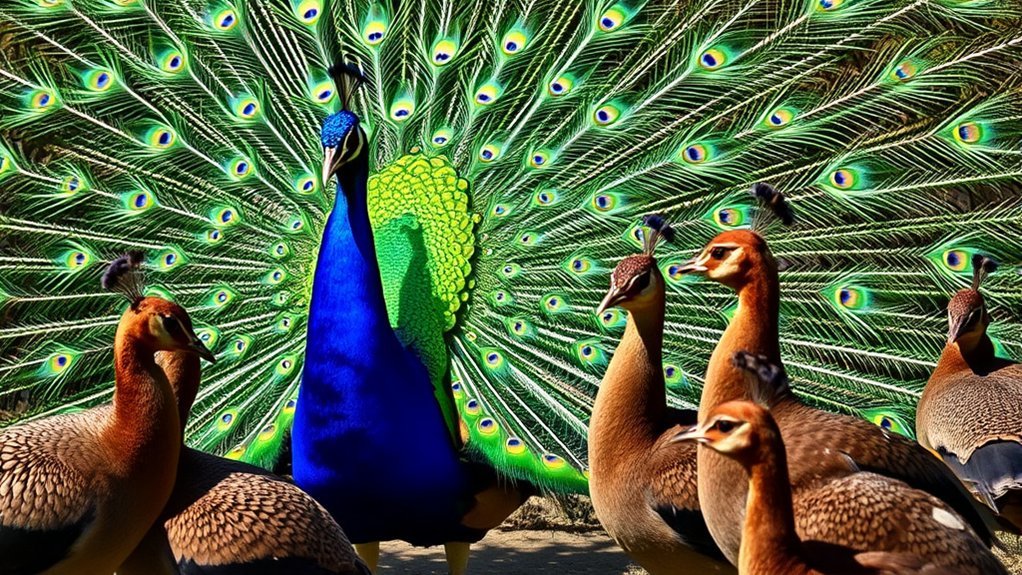
Peahens and peacocks are different in how they act, even though they belong to the same species.
Peahens are usually quiet and focused. They spend their time looking for food and taking care of their babies. They don't seek attention like peacocks do.
Peacocks, on the other hand, love to show off. They spread their colorful tail feathers to get the attention of peahens. When a peacock dances, he displays his bright feathers to impress a female. The peahen will watch and choose a mate based on these performances.
Both peahens and peacocks play important roles in their species. Their different behaviors help them survive and share the beauty of nature with us.
Diet and Feeding Habits
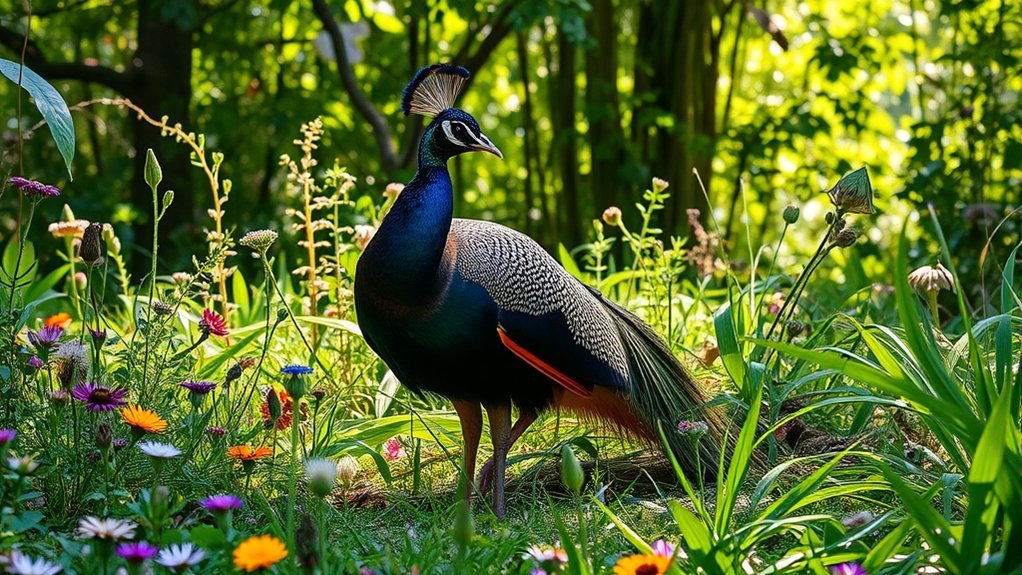
Peahens and peacocks have different ways of eating. Peahens look for food on the ground. They often search for seeds, grains, and insects. You can see them pecking around in bushes and grass, looking for healthy snacks that give them the protein they need.
Peahens are practical with their food choices. They focus on high-energy foods that help them stay healthy and support their reproductive needs. Unlike peacocks, who show off with their colorful feathers, peahens are more down-to-earth. They stay aware of their surroundings to find food and stay safe.
Watching how peahens search for food shows how adaptable and clever they're in the wild. They make smart choices that help them thrive.
Nesting and Reproduction
Nesting and reproduction are very important for peahens. These behaviors help ensure that their young ones survive and thrive.
- Nest Location: Peahens like to build their nests in thick, low plants. These plants keep them and their eggs safe from predators.
- Egg Clutch Size: Peahens usually lay between 3 to 8 eggs. They sit on these eggs to keep them warm and incubate them for about 28 days.
- Parental Care: After the eggs hatch, peahens lead their chicks to safe places. They work hard to protect and care for their little ones.
These actions show how peahens adapt to their environment.
Their care for their chicks helps create a strong community where everyone can thrive.
Role in Mating Rituals
The female peacock, called a peahen, plays an important role in choosing a mate. She looks closely at the males and what they do to impress her.
During courtship, male peacocks show off their bright tail feathers. They spread their tails wide to catch the peahen's eye. This display isn't just pretty; it also shows how strong and healthy the male is.
Peahens often pick males with bigger and more colorful tails. By choosing their partners this way, they help ensure their babies will be fit and healthy too.
The choices peahens make connect beauty and success in having strong offspring.
Social Structure and Group Dynamics
After the peafowl mating ritual, their social structure is very important for their survival and interactions.
It's fun to learn about how they live together. The peahen hierarchy affects how they behave in different ways.
- Dominance: Higher-ranked peahens get to eat before others. This can change how the group finds food together.
- Social Bonds: Peahens make strong friendships. These friendships help them feel safe and stable in the group.
- Reproductive Success: The way peahens act in their groups can help them raise their babies. Support from others is important for taking care of young peafowl.
This social structure shows how cooperation and feeling like they belong are key to the lives of peafowl.
Adaptability and Survival Skills
Peafowl are famous for their beautiful feathers and fancy dances, but they're also very good at staying safe and adapting to their homes. Peahens, the female peafowl, have smart ways to survive. They can blend in with their surroundings, which helps them hide from predators.
These birds live in many places, like thick forests and open fields. Peahens are also clever at finding food. They search for tasty snacks while keeping an eye out for danger.
Learning about how these birds act can help us see how they stay alive and help keep nature balanced. Their ability to adapt is really important for their survival.
Peahen Conservation Status
Peahens are interesting birds, and their ability to adapt helps them survive. While some peahen populations are doing well in certain areas, they still face problems that need our help.
- Habitat Loss: Cities and farms take away the places where peahens live. This change makes it hard for them to find food and shelter.
- Poaching: People sometimes hunt peahens illegally. This hurts local groups and makes their numbers go down.
- Climate Change: Changes in the weather can make it tough for peahens to find food and places to breed.
Learning about these challenges can help us appreciate peahens even more. Together, we can support efforts to protect them.
Cultural Significance of the Peahen
The peahen isn't just pretty; it holds special meaning in many cultures. People often see the peahen as a symbol of fertility and grace. She represents growth and nurturing. In art, she's usually shown with male relatives, which shows a balance of strength and beauty in nature.
In Hindu culture, the peahen is a sacred bird. She stands for transformation and divine beauty. This meaning goes beyond just spiritual beliefs. The peahen influences fashion, stories, and designs. She connects people through shared ideas and values.
When we learn about the peahen's place in different cultures, we start to see her as more than a beautiful bird. We can find a sense of belonging to a story that touches many lives throughout our history.
Frequently Asked Questions
How Long Do Peahens Typically Live in the Wild?
Peahens live in the wild for about 12 to 20 years. Their lifespan can change based on a few factors. Predators, like other animals, can pose a threat. Also, the environment where they live can impact how long they live. This shows how important it is for peahens to stay safe and healthy in nature.
Do Peahens Migrate or Are They Sedentary?
Peahens mostly stay in one place and do not migrate. They live in their local areas and only move around a little to find food. Watching how they behave can help you learn more about their interesting lives and how they interact with each other. Peahens are fascinating birds that enjoy their surroundings without traveling far.
What Threats Do Peahens Face in the Wild?
Peahens face some big challenges in the wild. One major problem is habitat loss. They lose their homes when forests or grasslands get cut down or changed for farming and building.
Another big threat is predators. Peahens must stay alert to avoid animals that want to eat them or their young. They have to find safe places to nest and raise their chicks.
To survive, peahens need to adapt to these changes. They work hard to find safe spots and protect their families. It's a tough life, but they keep trying to thrive in their environment.
Can Peahens Exhibit Different Colors or Patterns?
Yes, peahens can show different colors and patterns. If you watch them in nature, you can see changes in their colors and designs. These differences make them more beautiful and help them survive. Unique colors and patterns also play a big role in their mating success.
How Do Peahens Communicate With Each Other?
Peahens talk to each other in different ways. They use sounds, like calls or squawks, to share messages. Each sound means something different based on what's happening.
Their body language is also important. For example, the way they stand or move tells other peahens how they feel. By watching these signals, you can learn about their friendships and how they get along in their group.
Understanding peahen communication can be fun! It shows how they build their social lives and connect with one another.

Luna is the passionate founder and author of Birds and You, a website dedicated to sharing her love for birds with fellow enthusiasts. Through her engaging articles and guides, she aims to educate and inspire others to explore the fascinating world of birds. When she’s not writing, you can find Luna observing birds in their natural habitats or sharing beautiful bird photography on Pinterest. Join her on this journey to celebrate and protect our feathered friends!