
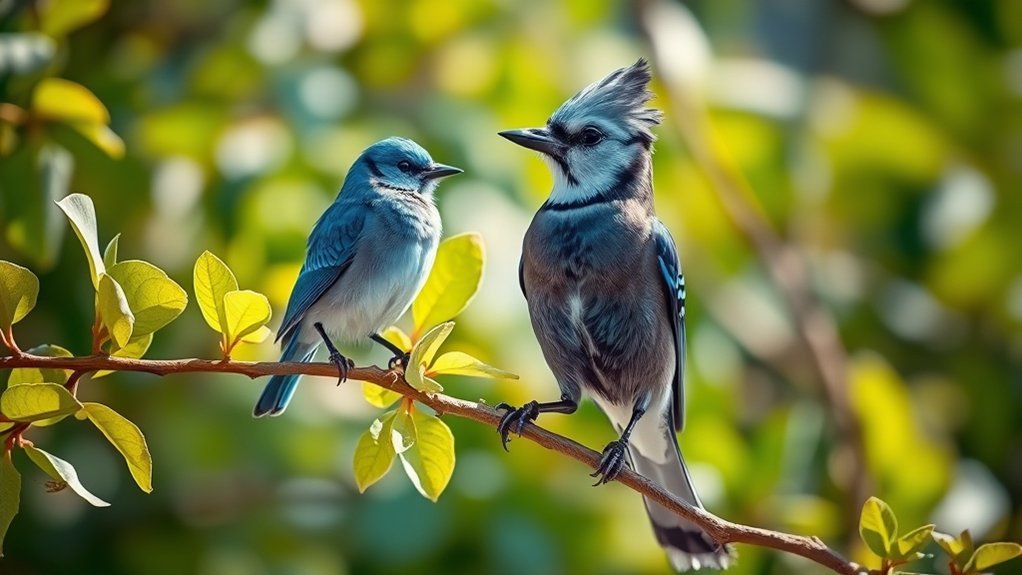
Bluebird Vs Blue Jay: Understanding the Differences
Bluebirds and blue jays are two different types of birds, and they each have their own look and behavior. Bluebirds are gentle and have a soft beauty. They are often found in fields and gardens. On the other hand, blue jays are bold and loud. They like to hang out in forests and parks.
These birds also eat different foods. Bluebirds prefer insects and berries. Blue jays enjoy acorns and seeds. Because of these differences, they each play unique roles in nature.
So, how do their looks and habits change how they see each other? And how do these differences help them stay safe and find food? Learning about these birds can help us understand how they live and thrive in the wild.
A Quick Overview
Blue jays are bigger birds. They are about 9 to 12 inches long and have bright blue, black, and white colors. Bluebirds, on the other hand, are smaller, measuring around 6.5 to 8 inches. Their colors are softer blue and rust.
Bluebirds like open spaces such as fields and meadows. Blue jays do well in cities, forests, and woodlands. They can live in a variety of places.
When it comes to food, bluebirds mainly eat insects and berries. Blue jays, though, have a more varied diet. They eat acorns and seeds, and they even store some food for winter.
Bluebirds usually like to be alone or with their family. Blue jays prefer to be in larger groups and have their own social order within the flock.
Bluebirds sing sweet calls to find a mate. Blue jays, however, are loud. They squawk and can mimic other sounds to communicate and defend their territory.
So, blue jays and bluebirds are different in many ways, from their size to where they live and what they eat.
Physical Characteristics
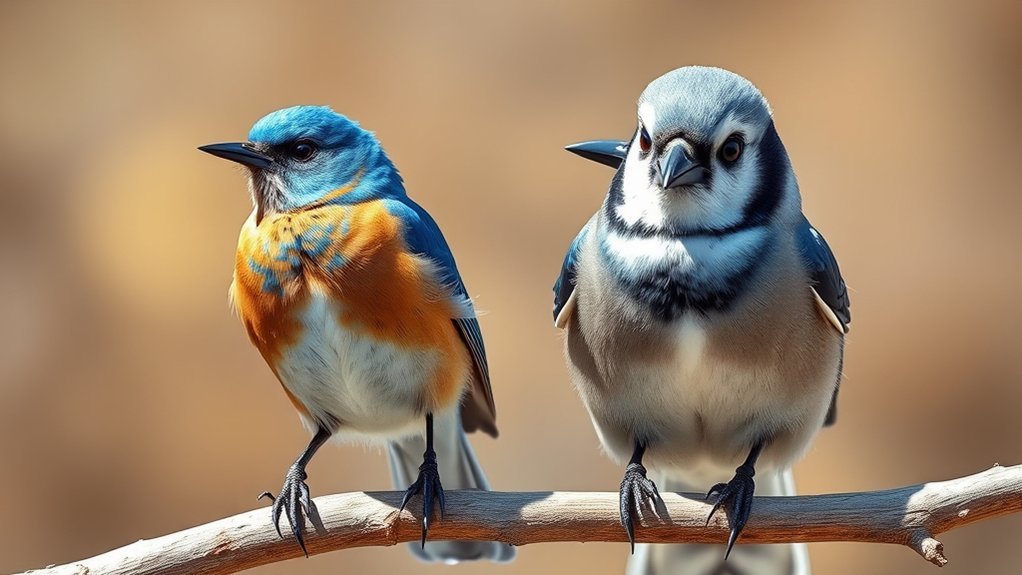
When you look at bluebirds and blue jays, you can see some big differences between them.
First, let's talk about size. Blue jays are bigger, usually about 9 to 12 inches long. Bluebirds, on the other hand, are smaller, measuring around 6.5 to 8 inches. This size difference helps them live in different places.
Next, let's look at their colors. Blue jays are bright and bold. They've blue, black, and white markings that stand out. Bluebirds are softer in color, with gentle shades of blue and rust. This makes bluebirds look sweet, while blue jays can appear a bit fierce.
Overall, knowing these differences can help you appreciate both birds and their unique beauty even more.
Whether you like the calm look of bluebirds or the vibrant style of blue jays, each bird has something special to offer.
Habitat Preferences
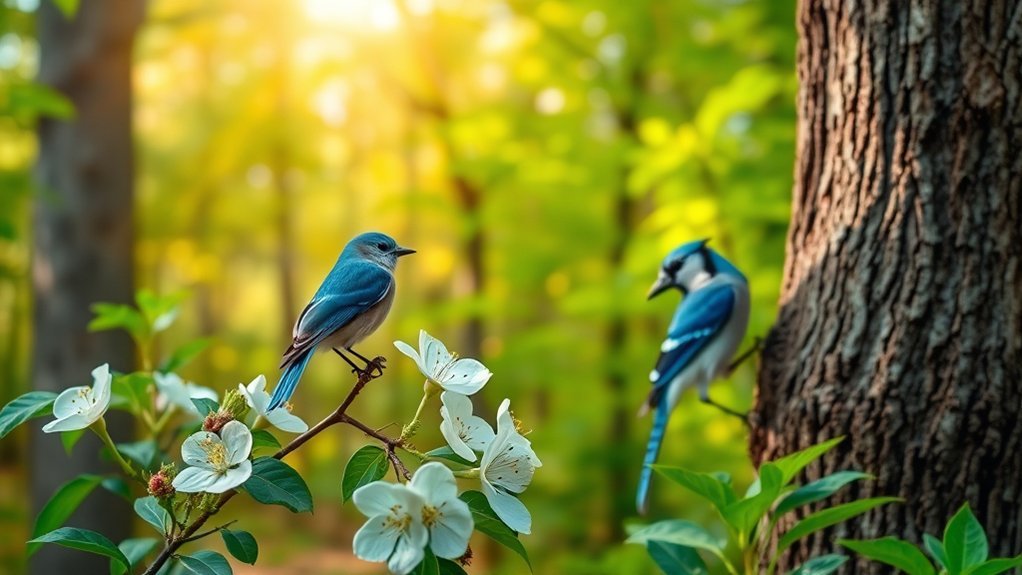
Bluebirds and blue jays are both found in North America, but they like different kinds of homes.
Bluebirds love open spaces like fields, meadows, and farms. They look for places where they can find insects to eat and build their nests. They prefer natural areas and usually stay away from busy cities.
On the other hand, blue jays are very adaptable. They can live in cities, forests, and woodlands. They like places with lots of trees because it gives them good hiding spots for their nests and plenty of food to search for.
These differences show how each bird lives. Bluebirds enjoy quiet, wide-open spaces, while blue jays are fine with the busy life in the city. Knowing where each bird prefers to live helps us appreciate their unique ways of living.
Diet and Feeding Habits
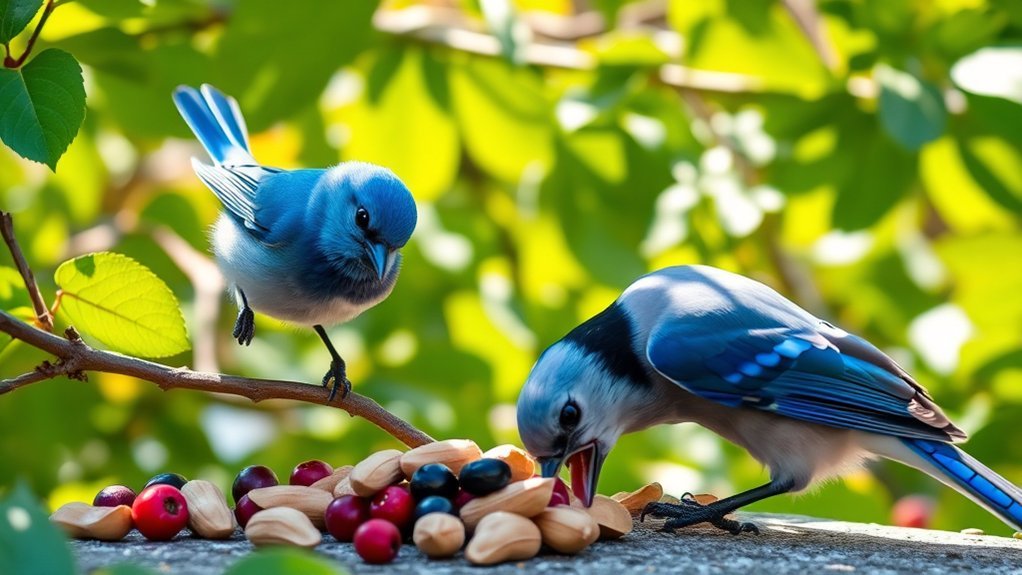
Bluebirds and blue jays eat different foods that suit their lifestyles.
Bluebirds like to eat insects and berries. They especially like soft insects when they feed their babies. They sit quietly on a branch, watching for any movement before they quickly fly down to catch their food.
Blue jays, on the other hand, eat many types of food. They're omnivores, meaning they can eat plants and animals. They enjoy acorns, seeds, and even small creatures.
They also have clever ways to collect food. They store it up, which helps them get through tough winters.
Looking at what these birds eat helps us understand how they live in their homes. Each bird finds food that works for them, showing us how nature keeps a balance.
Behavior and Social Structure
Diet plays a big part in how bluebirds and blue jays act and live together. Bluebirds usually like to be alone or with just their family. They often look for food on their own and prefer open spaces. Their social life is simple, focusing mainly on caring for their babies.
On the other hand, blue jays enjoy being in larger groups called flocks. They've a lot of fun together and show off their social skills. Blue jays use different sounds to talk to each other, play games, and look for food as a team. This teamwork helps them build strong friendships.
Blue jays also have a social order. This means some blue jays are bosses, while others follow their lead. Bluebirds, however, treat each other more equally.
Knowing these differences helps us see how each bird lives and interacts with others.
Calls and Vocalizations
Bluebirds and blue jays are two types of birds that make different sounds. Their calls help us understand how they act and live. Let's look at some of their sounds:
- Bluebird Songs: Bluebirds sing gentle, lovely notes. They use these sweet sounds when they're trying to find a mate.
- Blue Jay Calls: Blue jays make loud, harsh squawks. They use these sounds to warn other birds of danger.
- Vocal Mimicry: Blue jays are really good at copying other sounds. They can imitate different birds and even mechanical noises.
- Social Context: Bluebirds mostly use their songs to talk to their partners. In contrast, blue jays use their calls for two main reasons: to defend their space and to stay connected with their friends.
Listening to their calls can help you learn more about these birds and how they interact with each other in nature.
Nesting and Reproduction
Bluebirds and blue jays have different ways of building their nests and caring for their young. Bluebirds like to use natural holes or special boxes made by people. They often come back to the same spot every year. Bluebirds usually lay three to six eggs. Both parents help raise the baby birds as they grow quickly.
On the other hand, blue jays make their nests high up in trees. They use sticks, grass, and even shiny things to build their homes.
Blue jays take longer to raise their young compared to bluebirds. They often lay four to six eggs. During the breeding season, blue jays have fun socializing and working together in their groups. This teamwork shows how they care for their families.
Both birds have their own unique ways of nesting and raising young, which makes them interesting to watch!
Range and Migration Patterns
You can find bluebirds and blue jays in some of the same areas, but these birds have different ways of moving around.
Let's take a look at what makes them unique.
- Bluebird Migration: Bluebirds fly to warmer places when winter hits. They follow the same paths each year.
- Blue Jay Movement: Blue jays usually stay close to home. They may move a little to find food but often don't travel far.
- Habitat Choices: Bluebirds like open spaces like fields and meadows. In contrast, blue jays prefer mixed forests and neighborhoods.
- Weather Reactions: Blue jays can change their travel plans quickly if the weather shifts suddenly.
Knowing these differences can help you enjoy birdwatching even more.
Each bird has its own story to tell!
Conservation Status and Threats
Bluebirds and blue jays are beautiful birds that need our help to survive. They face big challenges, especially because people are changing their homes. As cities grow and farms expand, these birds lose places to live. This makes it hard for them to survive and raise their families.
But there's good news! Many groups work hard to protect these birds. They create safe paths for wildlife, plant native plants, and teach people how important bluebirds and blue jays are.
You can help too! Join local conservation programs. Every little bit helps to protect their homes.
Working together, we can care for these lovely birds and our environment. By supporting these efforts, you become part of a team that values nature and beauty around us. Let's keep our world colorful and full of life!
Frequently Asked Questions
What Are the Cultural Significance and Symbolism of Bluebirds and Blue Jays?
Bluebirds and blue jays are special birds with deep meanings. Bluebirds stand for happiness and hope. People often feel joyful when they see these bright blue birds. They remind us to look for the good in life.
Blue jays, on the other hand, are known for being smart and adaptable. They can live in many places and find food easily. This cleverness helps them thrive in different situations.
Both bluebirds and blue jays connect us to nature. They show us how important it is to appreciate the world around us. These birds can inspire us to grow and become better people. So, next time you spot one, take a moment to enjoy its beauty and what it represents!
How Do Bluebirds and Blue Jays Behave Around Humans?
When you watch bluebirds and blue jays, you will see how they build nests and make sounds. Bluebirds are gentle and calm around people. They usually don't mind being near us. On the other hand, blue jays are loud and friendly. They often call out and can be very active. Sometimes, when they are around, it feels exciting!
Both birds add fun to our outdoor spaces. Bluebirds bring a sense of peace, while blue jays bring energy and noise. So, if you spot these birds, take a moment to enjoy their different ways of being near humans!
What Tools or Techniques Are Best for Birdwatching These Species?
To watch birds effectively, you need good binoculars. Choose ones with at least 8x magnification. This will help you see the birds clearly from a distance.
You can also download birdwatching apps. These apps help you identify different birds, like bluebirds and blue jays. They often have features that let you connect with other birdwatchers too. This makes birdwatching more fun!
Can Bluebirds and Blue Jays Be Kept as Pets?
You can't keep bluebirds and blue jays as pets. It's important to think about the safety of these birds. Instead, you can take care of pets that are already domesticated. Also, helping wild birds live in their natural homes is good for both the birds and people who enjoy watching them. Remember, wild birds are best left in the wild!
How Can I Attract Bluebirds or Blue Jays to My Backyard?
To bring bluebirds or blue jays to your backyard, start by setting up bird feeders. Fill these feeders with seeds that they like. You can also offer nesting materials like twigs and grasses near your feeders. This way, the birds will find a cozy place to visit and feel at home.
Make sure to keep the feeders clean and filled with fresh seeds. You can enjoy watching these beautiful birds while they eat and play. Creating a friendly space will encourage them to come back often!

Luna is the passionate founder and author of Birds and You, a website dedicated to sharing her love for birds with fellow enthusiasts. Through her engaging articles and guides, she aims to educate and inspire others to explore the fascinating world of birds. When she’s not writing, you can find Luna observing birds in their natural habitats or sharing beautiful bird photography on Pinterest. Join her on this journey to celebrate and protect our feathered friends!