
Hummingbird Eggs: What You Need to Know
Hummingbird eggs are special and have unique features that help protect the baby birds inside. Their shells are hard and made of calcium carbonate, which keeps the embryos safe.
Female hummingbirds spend a lot of time building their nests. They want to make sure their babies grow up in a safe place. But what helps these eggs hatch successfully? It comes down to two main things: the right environment and how much care the parents give.
Let's dive into this interesting topic and learn more about how hummingbird eggs and their parents work together to create new life.
A Quick Overview
Hummingbird eggs look like tiny oval-shaped rocks. They have a hard shell made of calcium that keeps the eggs safe while they grow. The mother hummingbird keeps the eggs warm for about 14 to 19 days until they hatch.
Hummingbird nests are cozy homes made from soft things like plant fibers and spider silk. These materials help hide the nest and keep it warm.
When the baby hummingbirds hatch, they need food fast. Their mom feeds them by giving them a mix of nectar and tiny insects. She regurgitates this food to help them grow strong.
To make sure the eggs hatch well, the mother hummingbird protects them from danger and keeps them at a nice temperature. Taking care of the eggs is very important for making sure the baby birds can grow up healthy.
The Anatomy of Hummingbird Eggs
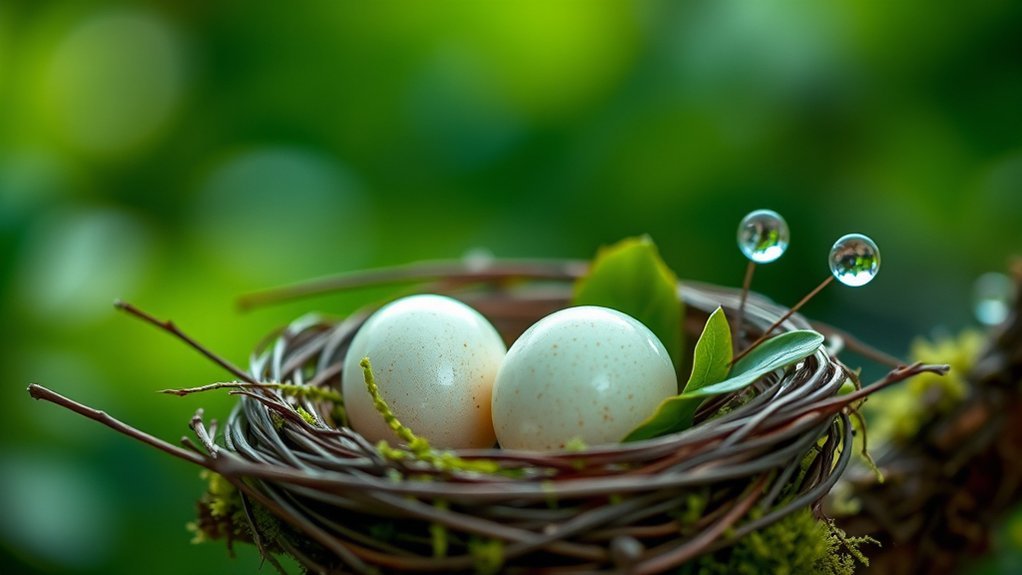
Hummingbird eggs are special and have unique features that help these tiny birds. Their eggs are shaped like an oval, which gives the baby birds enough space to grow. The outside of the eggs is hard and made mostly of calcium carbonate. This hard shell keeps the eggs safe.
Inside the eggs, there's a rich mixture of albumen and yolk. This mixture gives the chick everything it needs to grow healthy and strong.
The environment around the eggs is very important. They need warm and humid conditions to develop. The parent birds help keep the eggs warm by sitting on them.
These adaptations ensure that the baby hummingbirds develop well. Learning about these egg features helps us appreciate how amazing hummingbirds are and how they care for their young.
Nesting Habits of Hummingbirds
Hummingbirds have really interesting ways of building their nests. These small birds work hard to create their homes. They often choose hidden spots, like tree branches or bushes, to keep safe from danger.
The male hummingbirds show off their bright feathers to impress the females. This helps the males find partners who are good at collecting materials for the nest.
The female usually builds the nest herself. She uses soft materials like plant fibers, down, and even spider silk. This helps create a cozy place for her eggs. The nests are often shaped like cups, which keeps the eggs safe and warm.
Hummingbird nests blend in with the leaves and twigs around them. This helps keep them hidden from predators.
Learning about these nests shows us how important hummingbirds are to our environment.
Incubation Period and Parental Care
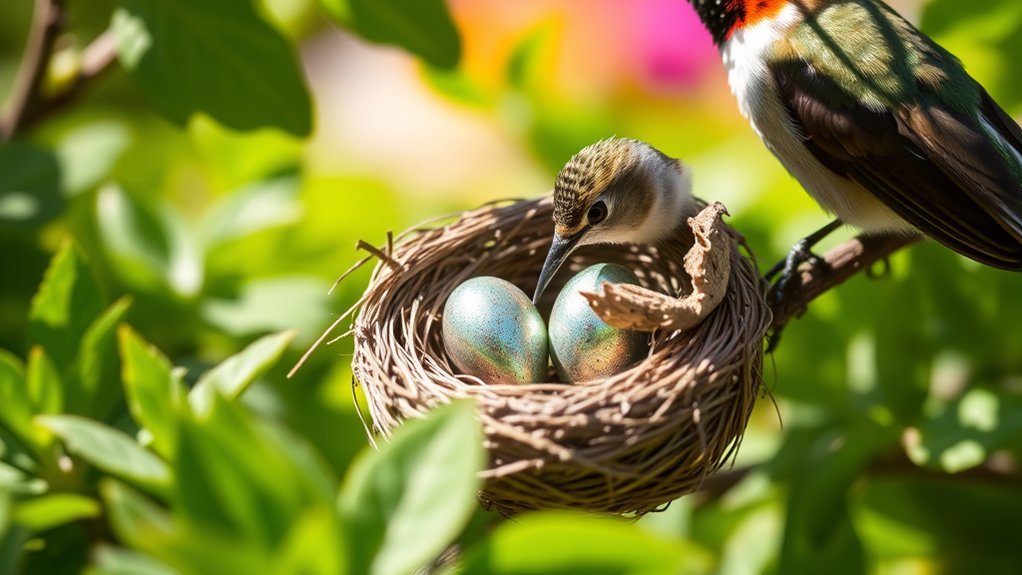
When a female hummingbird lays her eggs, which are usually two, she starts a very important job of taking care of them. This time is called the incubation period, and it lasts about 14 to 19 days. During this time, the female hummingbird is the only one looking after the eggs. She sits on them to keep them warm. This warmth is very important because if the temperature changes too much, it can hurt the baby birds growing inside.
After the eggs hatch, her job isn't over. She continues to care for the chicks by feeding them regurgitated nectar and tiny insects. This food helps the chicks grow quickly.
Through all of this, the female hummingbird shows how much she cares for her babies. She plays a big part in helping them grow strong and healthy. It's amazing to see how nature works in hummingbird families!
The Role of Environment in Egg Development
Hummingbird eggs need a good environment to grow well and survive. A variety of habitats help. Different places offer more food and nesting materials, making it easier for eggs to hatch.
Temperature is also super important. Eggs do best at stable temperatures. If it gets too hot or too cold, many eggs may not survive.
Shelter is key too. Good cover from wind and rain keeps eggs safe from predators and harsh weather. A rich habitat usually helps more baby hummingbirds grow up strong.
Knowing these things can help create a better space for hummingbird eggs. This connection to nature helps us appreciate the lives of these amazing birds.
Differences Between Species: Egg Size and Color
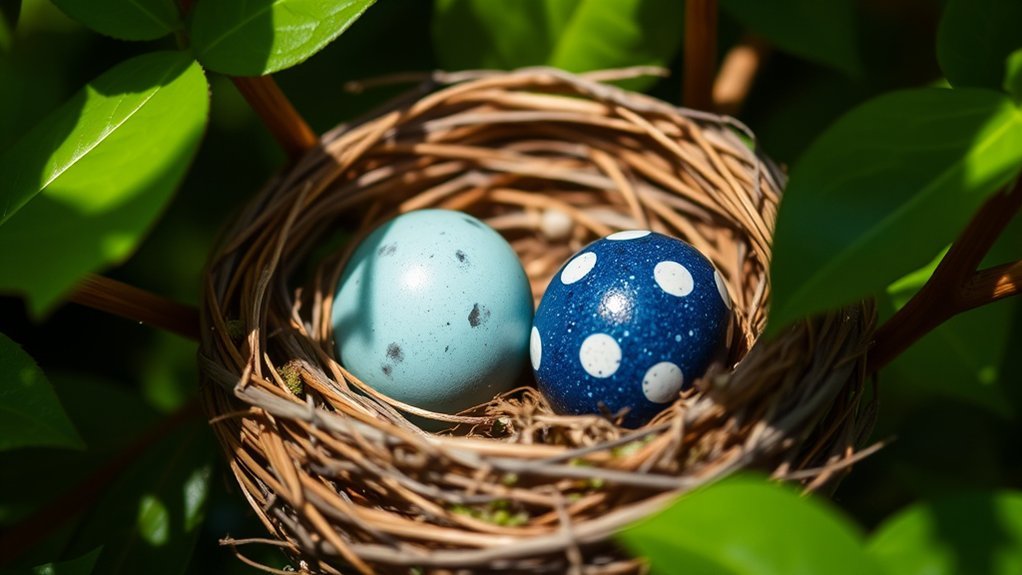
Hummingbird eggs can look very different from each other. This shows how unique each hummingbird species is. The size and color of their eggs help us learn about their habits and where they live.
- The Bee Hummingbird, which is the smallest, lays tiny eggs. They're just about the size of a small marble, measuring a little over one centimeter.
- On the other hand, larger species like the Anna's Hummingbird lay bigger eggs that can be up to two centimeters long.
The color of the eggs can be white, pale blue, or green. These colors help the eggs blend in, making it harder for predators to find them.
These differences in egg size and color help the birds stay safe. They also highlight how diverse hummingbirds are. Learning about these eggs can help you appreciate these amazing little creatures even more.
Factors Affecting Hatching Success
Hatching success for hummingbirds depends on a few important things: the environment, how well the parents care for the eggs, and the health of the eggs themselves.
First, temperature matters a lot. The eggs need a warm spot to grow. If it gets too hot or too cold, the tiny birds inside mightn't develop properly. So, keeping the temperature stable is crucial for hatching.
Second, both parent hummingbirds must work together. They need to keep the nest warm and safe from dangers. If they aren't careful, predators like snakes or larger birds can find the eggs and eat them. Even a small disturbance can make the parents leave the nest, which can lead to failure in hatching.
Overall, hummingbirds need to be quick to adjust to their surroundings. All these factors combined decide if the baby birds will hatch and grow up strong.
When we learn about these things, we can better appreciate how amazing hummingbirds really are!
Challenges Facing Hummingbird Eggs
Hummingbird eggs face a lot of challenges that can make it hard for them to grow and hatch. These challenges are important because they affect not just the eggs but also the future of hummingbirds.
- Predators: Many animals, like snakes and small mammals, eat hummingbird eggs. This makes choosing the right place for nests very important.
- Weather changes: Changes in temperature and weather can mess up how long it takes for the eggs to hatch. If it's too hot or too cold, it can harm the baby hummingbirds inside the eggs.
- Loss of homes: When trees and plants are destroyed, there are fewer safe places for hummingbirds to build their nests. This makes their eggs more at risk from predators and bad weather.
Understanding these factors helps us see why hummingbird eggs are at risk. If we can support their survival, we can help the whole hummingbird community thrive.
The Importance of Camouflage
Camouflage is super important for hummingbird eggs. These tiny eggs look just like the plants around them. They've colors and patterns that help them blend in. This helps the eggs stay safe from predators who might want to eat them.
When a hummingbird builds a nest, it picks the best spot among leaves and branches. This makes it harder for predators to find the eggs. The eggs that hide well are more likely to hatch into baby birds. This helps the hummingbirds pass on their good traits to the next generation.
Nutrition Before and After Hatching
Before eggs hatch, the food they get is very important for their growth. This food helps make strong and healthy baby birds. The diet before hatching comes from the mother and gives the chicks what they need to start their lives.
After they hatch, they need more care to grow well as they adjust to their new surroundings.
- Proteins and fats help the cells grow.
- Vitamins and minerals help keep their bodies healthy.
- Water in the nest keeps baby birds happy and lively.
With proper nutrition before hatching and care afterward, young birds can grow up strong and ready for life outside the egg.
The Journey From Egg to Nestling
The journey from egg to nestling for hummingbirds is pretty amazing! It's not as simple as it sounds; there are important steps that help the baby birds grow strong.
First, the female hummingbird takes care of the egg by keeping it warm. The right temperature is between 37 and 38 degrees Celsius. She uses her own body heat to keep the egg safe and makes sure the warmth is even all around.
The materials used to build the nest are also very important. They help keep the egg insulated and protected from bad weather or predators. These nest materials usually come from plants, spider silk, and feathers. They create a safe spot for the baby bird while it's growing inside the egg.
As the baby bird, or embryo, grows, it uses the yolk from the egg as food. This helps it gain strength.
Once the baby bird is strong enough, it breaks free from the shell, marking the start of its life as a nestling! Isn't that cool?
Behavior of Hummingbird Hatchlings
Hummingbird hatchlings show amazing behaviors that help them survive as they grow. These tiny birds have smart ways to get food and grow strong. When you watch them, you can see how they react to sounds and their feeding habits.
- They open their mouths wide when they hear their mom nearby.
- They can recognize the sound of wings flapping, which means food is coming.
- The hatchlings compete for food, and the stronger ones usually get more.
These actions help them get the food they need to grow. They also help prepare them for making friends and socializing later in life.
Learning about these behaviors helps us appreciate the lives of these colorful little birds even more.
Contributions to Ecosystems and Biodiversity
Hummingbirds are important for nature. They help keep many plants alive by pollinating them. When hummingbirds drink nectar from flowers, they carry pollen from one flower to another. This helps plants grow and produce seeds.
Many animals depend on these plants for food and shelter. By helping hummingbirds, we also help other creatures that need plants to survive. You can support hummingbirds by putting up feeders or planting flowers that attract them.
When you do this, you're part of a larger community that cares about nature. Hummingbirds show us how all living things rely on each other. It's a reminder that we all have a role to play in taking care of our environment.
How to Observe Hummingbirds Responsibly
Watching hummingbirds can be a fun and exciting adventure. Here are some simple tips to enjoy this experience while being kind to the birds and their homes:
- Stay back. Give the birds space so they feel safe, especially if they're nesting.
- Take photos carefully. Don't use flash. Flash can scare the birds and hurt their eyes.
- Share what you learn. Talk to friends and family about why it's good to protect hummingbirds and their homes.
Frequently Asked Questions
How Long Do Hummingbird Eggs Typically Take to Hatch?
Hummingbird eggs usually hatch in about 14 to 23 days. The time can change a little based on the type of hummingbird. During this time, the mother bird sits on the eggs and keeps them warm. She makes sure they have the best conditions to grow and develop. It's a busy job for her, and she works hard to protect her future babies!
What Predators Threaten Hummingbird Eggs in the Wild?
Hummingbird eggs have to deal with many dangers in the wild. Some of the biggest threats come from animals like snakes, squirrels, and bigger birds. These animals might eat the eggs if they find them.
Besides these predators, the eggs also face risks from nature. Bad weather, like heavy rain or strong winds, can destroy the nests. Habitat loss, where places for the birds to live disappear, also makes it harder for hummingbirds to safely raise their young.
Every little danger makes it tough for these tiny birds to succeed in having babies. It's important for us to protect their environments so they can thrive!
Can Hummingbirds Reuse Their Nests for Multiple Broods?
Hummingbirds have an interesting habit. They often use the same nest for more than one brood of baby birds. Each time they come back, they might make some changes to the nest. This helps make it strong and safe for their new chicks. So, when you see a hummingbird's nest, remember it might be home to more than one family of little birds!
How Can I Tell if a Hummingbird Is Nesting Nearby?
To tell if a hummingbird is nesting nearby, watch what they do. If you see a hummingbird going to the same place often, it might be making a nest. Look for the female hummingbird, too. If you spot her sitting still for a while, she is likely taking care of her eggs. Keep an eye out for these signs to know if a hummingbird is nesting close to you!
Do Male Hummingbirds Help in Caring for the Eggs?
Male hummingbirds do not help take care of the eggs. Instead, they focus on guarding their mate. This protects the female while she cares for the eggs. By doing this, males help ensure that their babies have a better chance to survive. This way, they can pass on their genes to the next generation.

Luna is the passionate founder and author of Birds and You, a website dedicated to sharing her love for birds with fellow enthusiasts. Through her engaging articles and guides, she aims to educate and inspire others to explore the fascinating world of birds. When she’s not writing, you can find Luna observing birds in their natural habitats or sharing beautiful bird photography on Pinterest. Join her on this journey to celebrate and protect our feathered friends!