
Birdwatching in North Carolina: Notable Species to Spot
North Carolina is a great place for birdwatching. You can see many different birds in different spots. The coast has many shorebirds, while the forests are home to colorful warblers. When raptors fly during migration, it makes birdwatching even more exciting. Knowing about the special birds in each area can make your birdwatching trips more enjoyable. What amazing birds will you find next?
A Quick Overview
North Carolina's beaches have cool birds like the Black-bellied Plover and the American Oystercatcher. You can see them along the sandy shores and in the shallow waters.
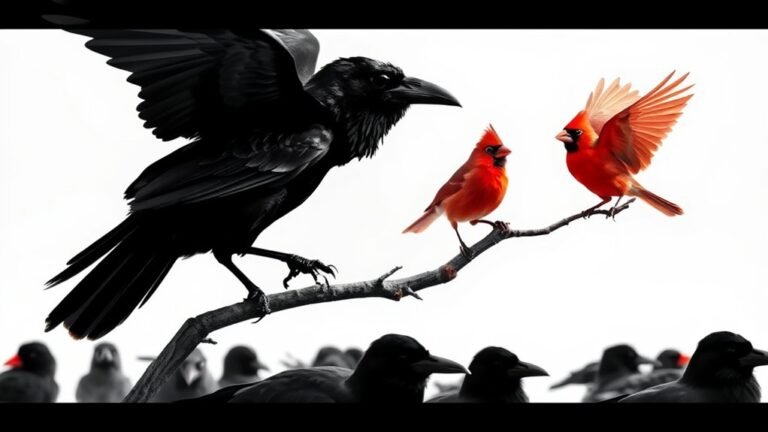
In spring and fall, colorful migratory warblers visit the forests. Keep an eye out for the Black-throated Blue Warbler and the Magnolia Warbler. They are fun to spot!
Seabirds like terns and ospreys come to the coastal areas too. This is a great chance to watch them flying and fishing.
During the fall, you can see raptors like hawks and eagles. Places like Hawk Mountain and the Blue Ridge Parkway are good spots for watching these birds.
In winter, many birds come to feeders. This is a quiet time to enjoy watching birds like the Red-headed Woodpecker as they visit for food.
Coastal Birds of North Carolina
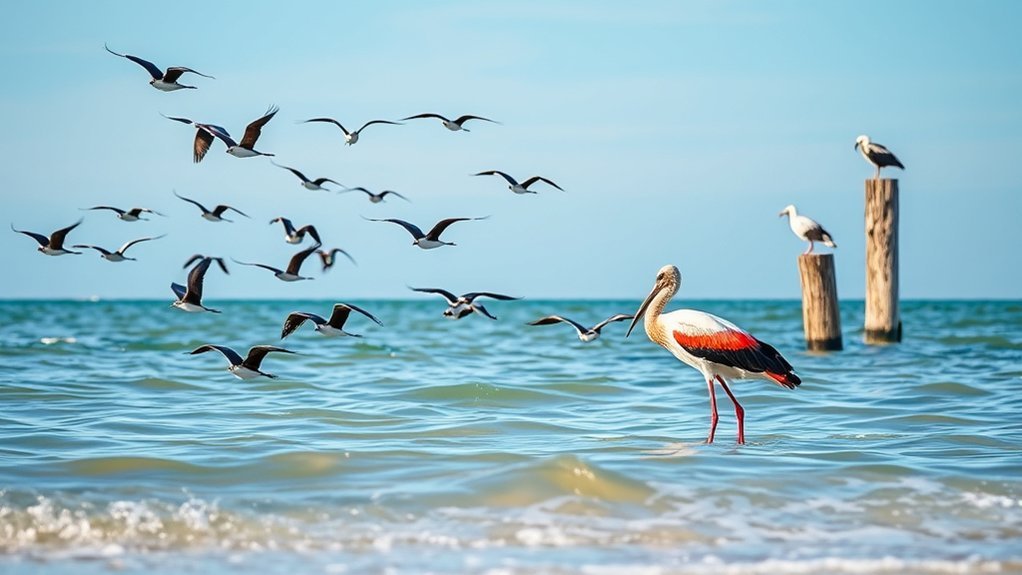
If you visit the coast of North Carolina, you'll see many kinds of birds that live in these special places. The beaches, marshes, and estuaries help seabirds find food and shelter.
To identify these birds, pay attention to their colors, sizes, and how they eat.
Look out for gulls with black caps, graceful terns, and powerful ospreys nesting by the shore. Each bird plays an important role in the coastal environment, like keeping fish populations in check and showing us how healthy the area is.
Watching these birds can help you appreciate their homes more and might inspire you to join the birdwatching community. Enjoy the fun of learning and connecting with nature!
Forest Dwellers: Woodpeckers and Warblers

After checking out the coastal areas, it's time to explore North Carolina's forests. Here, you can find many different birds. Woodpeckers are some of the stars of the show.
You'll see them tapping on trees. They do this to find bugs or make nests. Look out for the Red-headed Woodpecker and the Pileated Woodpecker. Both are really cool to see!
In spring and fall, warblers come through the forests too. These small, colorful birds flit around quickly.
The Black-throated Blue Warbler and the Magnolia Warbler are just two of the exciting visitors. Their movement and songs fill the air, making birdwatching lots of fun.
By watching these birds, you'll learn more about North Carolina's ecosystem.
You'll also feel more connected to the beauty of nature. So grab your binoculars and get ready for an adventure!
Raptors: Birds of Prey in the Skies

Have you ever seen raptors flying high in the sky over North Carolina? These birds of prey, like hawks, eagles, and falcons, are amazing to watch. They've broad wings, sharp claws, and great eyesight. Knowing how to spot these birds makes it even more fun.
In the fall, many hawks migrate through the state, and it's exciting to see them. Great places to watch them are Hawk Mountain and the Blue Ridge Parkway. As you look up, you can see thousands of these birds gliding together.
Each raptor species has its own special habits and homes. Watching raptors can help you feel connected to nature. It's a wonderful way to meet other bird lovers who share this interest.
Shorebirds and Waders
The shores of North Carolina are full of amazing birds called shorebirds and waders. These birds live in special places by the water.
Some popular shorebirds and waders you might see include:
- Black-bellied Plover
- Great Egret
- Willet
- American Oystercatcher
- Roseate Spoonbill
Learning how to spot different shorebirds can make birdwatching more fun! Pay attention to their colors, sizes, and how they search for food. Some dig in the mud, while others wade in the water.
Watching how they behave helps you understand them better. Being part of this vibrant community of bird lovers can really bring a smile. You can share your experiences and stories with others who enjoy watching these beautiful birds too!
Enjoy your time exploring and finding these special creatures by the shore.
Hummingbirds: Tiny Marvels of Nature
Hummingbirds are tiny birds that are really interesting. They've special skills and habits that make them stand out. In North Carolina, putting up hummingbird feeders can bring these little wonders to your yard. You can watch their bright colors and fast wing flaps up close!
Hummingbirds love to feed on nectar from flowers. Feeding them through these feeders is important, especially during their migration. Knowing how they build their nests can also help you appreciate them more. They make small, cup-shaped nests using leaves and spider silk to blend in with their surroundings. This shows how clever they are.
Waterfowl: Ducks and Geese
When you visit North Carolina's wetlands and lakes, you'll see many types of waterfowl, especially ducks and geese. These birds love the habitats in this area.
There are two main types of ducks to look for: dabbling ducks and diving ducks.
- You can find the colorful Northern Shoveler in the shallow waters.
- Watch the American Black Duck fly gracefully overhead.
- Keep an eye out for the Gadwall during migration.
- Look for the Lesser Scaup as it dives under the water.
- Listen for the familiar honks of Canada Geese.
These birds not only make your birdwatching fun but also help their environments.
Seeing them connects you to North Carolina's natural beauty and makes every trip special. Enjoy your time observing these amazing waterfowl!
Songbirds: The Melodic Residents
North Carolina has many songbirds that fill the air with their beautiful sounds. You can find these birds in different places, like green forests and open fields. Watching how they act is interesting. Their bright songs help them mark their territory or find a mate.
You might hear familiar birds like the Eastern Towhee and the American Robin. Their songs are very different and can make any trip more enjoyable.
Joining local birdwatching groups is a great way to learn more about these birds. You can discover where they live and how they behave. Plus, you'll meet other people who love birdwatching just like you.
Enjoy the amazing sights and sounds of North Carolina's songbirds!
Rare Migratory Birds
As you explore North Carolina, keep an eye out for rare migratory birds. These birds travel through the area during their seasonal journeys, and knowing about them can make your birdwatching more exciting.
Some of these birds have special nesting habits, which makes them interesting to watch.
Here are five rare migratory birds you might see:
- Kirtland's Warbler: This little songbird needs specific places to live.
- Bachman's Sparrow: This bird has special songs and likes open pine areas.
- Golden-Winged Warbler: Look for its bright yellow markings to spot this beauty.
- Red-Headed Woodpecker: This colorful bird loves to stay in forested areas.
- Sandhill Crane: These big birds are often found in wetlands.
Endangered Species to Observe
When you explore the birdlife in North Carolina, you might see some endangered birds. Two important ones are the Red-cockaded Woodpecker and the Piping Plover. These birds need our help because they're losing their homes and facing other challenges.
By helping to protect the areas where these birds live, you can make a big difference in their recovery. When you spot these birds, remember that sharing your sighting can help others learn about their struggles.
You can also join local groups that work to protect these species or follow good birdwatching practices. Your actions can support their survival.
Every time you see these amazing birds, you contribute to their future. Let your love for watching birds connect you with nature and promote important conservation efforts!
Best Birdwatching Locations
If you love watching birds or want to start, North Carolina has some great places to go. The state has many different habitats that attract all kinds of birds. Here are a few top spots to check out:
- Great Smoky Mountains National Park: This is a fantastic place to see warblers.
- Cape Hatteras National Seashore: A perfect spot for taking pictures of shorebirds.
- Cylburn Arboretum: A quiet place to find woodland birds.
- Jordan Lake State Recreation Area: A great area to watch waterfowl.
- Alligator River National Wildlife Refuge: This is home to some unique wildlife.
When you go birdwatching, be sure to respect the birds and their homes.
Try to keep noise down and give them space.
Also, if you enjoy taking photos, practice your skills to capture beautiful moments while being kind to nature.
Happy birdwatching!
Seasonal Birdwatching Guide
Birdwatching in North Carolina is fun and exciting, especially if you know what to expect in each season.
Here's a simple guide to help you enjoy birdwatching all year round.
In spring, many birds begin to return. They come back to find food and start nesting. You'll see beautiful songbirds like warblers and sparrows.
Grab your binoculars, and enjoy watching them as they build nests and sing.
Summer is a lively time for birdwatching!
You can watch baby birds learn to fly and find food. It's a great season to see how these young birds grow.
Fall is special because many birds migrate south.
You'll notice flocks of geese and swans flying together in the sky. Look for hawks soaring high on warm air currents.
This is the time to see a lot of birds moving around.
In winter, some birds stay in North Carolina.
You can spot hardy birds like titmice and nuthatches. Even in the cold, it's possible to enjoy birdwatching.
Knowing how bird behavior changes with the seasons helps you make the most of your birdwatching trips.
Grab your gear and get ready to enjoy nature!
Tips for an Enhanced Birdwatching Experience
To make your birdwatching experience in North Carolina even better, follow these simple tips. These will help you enjoy your time and see more birds.
- Get up early. Many birds sing in the morning. Arriving early helps you hear this beautiful chorus.
- Use good binoculars. Choose ones with a wide view. This makes spotting birds much easier.
- Stay quiet and still. Birds can get scared. If you're calm, they'll feel safe and you can watch them longer.
- Keep your distance from nests. If you see a nest, stay far away. Birds need their space, especially when they're raising their young.
- Join a local birdwatching group. This is a fun way to meet people. You can learn from others and share your experiences.
Frequently Asked Questions
What Equipment Do I Need for Birdwatching in North Carolina?
If you want to go birdwatching in North Carolina, here's what you need. First, get a good pair of binoculars. You can choose between compact ones that are easy to carry or full-sized ones that give you a better view.
Next, grab a field guide. This book will help you identify different types of birds. It's like your birdwatching buddy! You should also bring a notebook to write down your observations. This way, you can remember what you saw and where.
Lastly, wear comfortable clothes. Dress for the weather and make sure you're comfy while you watch for birds. With these simple items, you'll be ready for a fun and exciting birdwatching adventure! Enjoy the beauty of nature and the amazing birds in North Carolina.
Are There Birdwatching Clubs or Groups in North Carolina?
Yes, there are many birdwatching clubs and groups in North Carolina. These clubs offer fun events where you can watch birds and meet other bird lovers. Joining a club can make your birdwatching trips more enjoyable. Try to find one near you and become a member!
When Is the Best Time to Start Birdwatching?
The best time to start birdwatching is in spring. This is when many birds come back after winter. You will see more birds and hear their songs. Watching birds during this time is fun and helps you feel closer to nature. You can also meet other birdwatchers who love to share tips and stories. Spring migration makes birdwatching exciting, and it's a great way to start your adventure!
How Can I Attract Birds to My Backyard?
To attract birds to your backyard, set up bird feeders. Fill them with seeds that birds like, such as sunflower seeds or millet. Plant native plants in your garden. These plants provide food and offer a safe place for birds to live. When you create a friendly space, birds will visit you often. Enjoy watching them!
What Are the Ethics of Birdwatching?
Birdwatching can be a fun and rewarding hobby, but it's important to do it the right way. Here are some ways to practice responsible birdwatching.
First, try to disturb birds as little as possible. Keep your distance and use binoculars so you can see them without getting too close. This helps keep birds safe and calm.
Next, be respectful of their homes. Don't walk into nests or areas where birds are raising their young. Stick to paths when you're out in nature.
Also, follow local rules and guidelines. Many parks and nature reserves have specific rules about birdwatching, so make sure you know them.

Luna is the passionate founder and author of Birds and You, a website dedicated to sharing her love for birds with fellow enthusiasts. Through her engaging articles and guides, she aims to educate and inspire others to explore the fascinating world of birds. When she’s not writing, you can find Luna observing birds in their natural habitats or sharing beautiful bird photography on Pinterest. Join her on this journey to celebrate and protect our feathered friends!