
Can DIY Birdhouses Be as Effective as Store-bought Ones?
Creating a welcoming environment for birds in your backyard can be a rewarding experience. One of the most effective ways to attract feathered friends is by providing them with suitable housing.
While store-bought birdhouses are readily available, many bird enthusiasts opt for the DIY approach.
This article explores whether homemade birdhouses can be as effective as their commercial counterparts, offering insights into the benefits, construction techniques, and essential considerations for creating the perfect avian abode.

Key Takeaways
- Material matters: Use untreated wood like cedar or pine for durability and bird safety.
- Size specificity: Tailor birdhouse dimensions to attract desired bird species.
- Proper ventilation: Include small holes for air circulation to prevent overheating.
- Drainage is crucial: Drill holes in the floor to avoid water accumulation.
- Avoid perches: Omit external perches to deter predators.
- Easy cleaning: Design with hinged sides or removable panels for maintenance.
- Natural aesthetics: Opt for neutral colors to blend with the environment.
- Customization: DIY allows for personalized designs suited to local bird populations.
- Cost-effective: Building your own can be more economical than buying pre-made houses.
- Quality control: DIY ensures the use of safe materials and proper construction techniques.
The art of birdhouse creation goes beyond mere construction. It’s a blend of science and creativity, requiring an understanding of avian behavior and habitat preferences.
By crafting your own birdhouse, you’re not just providing shelter; you’re creating a personalized sanctuary that can significantly impact local bird populations and contribute to biodiversity in your area.
Embracing the DIY approach allows for a deeper connection with nature. It offers an opportunity to observe and learn from the birds that visit your creation, fostering a greater appreciation for wildlife conservation efforts.
Understanding Bird Housing Needs
Birds require specific housing features for nesting and shelter. These needs vary among species but generally include:
- Protection from predators and weather
- Appropriate size for the target species
- Proper ventilation to regulate temperature
- Drainage to keep the nest dry
- Safe materials that won’t harm birds or chicks
Avian preferences in housing are as diverse as the species themselves. Some birds, like bluebirds, prefer open spaces with clear flight paths, while others, such as wrens, seek more secluded spots.
Understanding these nuances can significantly increase the chances of your DIY birdhouse being occupied.
Seasonal considerations also play a role in bird housing needs. During breeding seasons, birds require secure nesting sites, while in colder months, they may seek sheltered roosting spots to conserve energy.
Materials for DIY Birdhouses
The choice of materials is crucial for creating an effective birdhouse. Untreated wood is the best option due to its:
- Insulation properties
- Durability against weather conditions
- Safety for birds and chicks
Cedar and pine are excellent choices for birdhouse construction. Avoid using:
- Treated wood (contains harmful chemicals)
- Metal (can overheat in summer)
- Plastic (poor insulation)
Sustainable sourcing of materials adds another layer of environmental responsibility to your project. Consider using reclaimed wood or purchasing from suppliers who practice sustainable forestry. This approach not only benefits birds but also contributes to broader conservation efforts.
Innovative materials like bamboo or natural fibers can be incorporated for certain parts of the birdhouse, adding unique textures and eco-friendly elements to your design.
Designing an Effective DIY Birdhouse

Proper design is essential for creating a birdhouse that birds will use. Consider these factors:
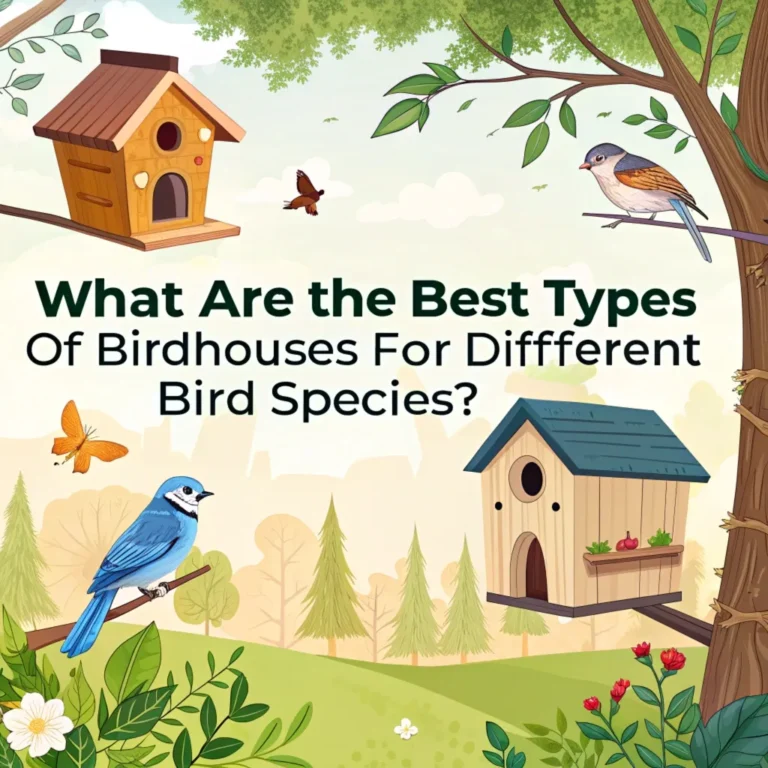
- Size: Match the interior dimensions to the target species
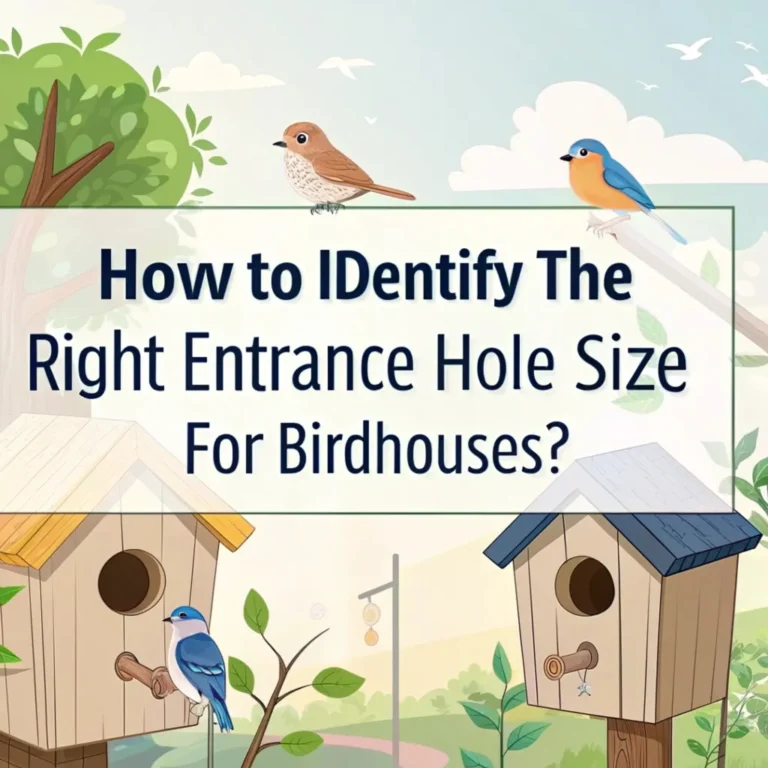
- Entrance hole: Diameter should be specific to the desired bird type
- Ventilation: Include small holes near the roof for air circulation
- Drainage: Drill holes in the floor to prevent water accumulation
- Roof: Sloped and extended to protect from rain
- Access: Include a hinged side or removable panel for cleaning
Ergonomic design principles can enhance the functionality of your birdhouse. Consider features like textured interior walls to help fledglings climb out easily or slightly recessed entrance holes to deter predators.
These small details can make a significant difference in the safety and comfort of the birds.
Innovative designs can also incorporate eco-friendly features like green roofs with succulents, providing additional insulation and blending seamlessly with the environment.
Construction Techniques
Building a birdhouse requires basic woodworking skills. Follow these steps:
- Measure and cut wood pieces according to your design
- Assemble the walls and floor using galvanized nails or screws
- Attach the roof, ensuring proper overhang
- Create the entrance hole using a hole saw or paddle bit
- Add ventilation and drainage holes
- Install a hinged side or removable panel for cleaning access
Advanced construction techniques can elevate your birdhouse design. Consider using dovetail joints for stronger corners or experimenting with layered wood designs for enhanced insulation. These methods not only improve durability but also add aesthetic value to your creation.
Precision in construction is key. Ensure all joints are tight and edges are smooth to prevent injury to birds and resist water penetration.
Customization Options

DIY birdhouses offer the advantage of customization. Consider:
- Species-specific features: Tailoring the house to local bird populations
- Aesthetic choices: Painting with non-toxic, neutral colors
- Multiple units: Creating birdhouse clusters for social species
- Unique designs: Incorporating natural elements or artistic flair
Creative customization can transform a simple birdhouse into a work of art. Experiment with mosaic designs using bird-safe materials or incorporate local cultural motifs to create a unique backyard feature.
Remember to balance aesthetics with functionality to ensure the birdhouse remains attractive to its intended residents.
Adaptive designs can cater to changing seasons. Consider creating birdhouses with removable panels that can be adjusted for different weather conditions, providing optimal shelter year-round.
Placement and Maintenance
Proper placement and regular maintenance are crucial for birdhouse effectiveness:
- Location: Choose a sheltered spot away from predators
- height: Install at the appropriate height for the target species
- Orientation: Face the entrance away from prevailing winds
- Cleaning: Remove old nests and debris annually
- Repairs: Check for damage and make necessary fixes
Strategic placement can significantly increase the occupancy rate of your birdhouse. Consider creating a birdhouse trail with multiple houses placed at varying heights and locations.
This approach can attract a diverse range of species and provide more opportunities for observation and learning.
Seasonal maintenance is crucial. Perform thorough inspections in early spring and late fall to ensure the birdhouse is in optimal condition for nesting and winter roosting.
DIY vs. Store-Bought: A Comparison
DIY birdhouses can be as effective as store-bought ones, often surpassing them in quality and customization. Advantages of DIY include:
- Quality control: Ensure the use of safe materials and proper construction
- Customization: Tailor designs to local bird species and preferences
- Cost-effectiveness: Often more economical than purchasing pre-made houses
- Personal satisfaction: Enjoyment from creating a home for birds
Store-bought birdhouses offer convenience but may lack:
- Customization options: Limited designs and features
- Quality assurance: Uncertain materials and construction standards
- Species specificity: May not cater to local bird populations
Environmental impact is another factor to consider when choosing between DIY and store-bought birdhouses.
Handcrafting your own house allows for the use of locally sourced materials and reduces the carbon footprint associated with manufacturing and transportation of commercial products.
Community engagement can be enhanced through DIY projects. Organizing birdhouse building workshops or participating in local conservation initiatives can spread awareness and foster a collective effort in supporting bird populations.
Common Mistakes to Avoid
When creating DIY birdhouses, avoid these common errors:
- Adding perches: These aid predators and are unnecessary for cavity-nesting birds
- Using treated wood: Can harm birds with toxic chemicals
- Incorrect sizing: Mismatched dimensions for target species
- Inadequate ventilation: Can lead to overheating
- Poor drainage: Causes dampness and mold growth
- Bright colors: Attract predators and deter birds
Overlooking local regulations can be a significant mistake. Some areas have specific guidelines for birdhouse placement, especially for protected species.
Research local wildlife laws to ensure your birdhouse project complies with regulations and supports conservation efforts effectively.
Ignoring predator protection is a common oversight. Consider installing predator guards or baffles to protect nesting birds from common threats like snakes or raccoons.
Attracting Birds to Your DIY Birdhouse
To encourage birds to use your homemade house:
- Provide food sources: Plant native species or offer bird feeders
- Offer water: Install a birdbath or small fountain
- Create shelter: Maintain nearby shrubs or trees
- Minimize disturbances: Limit human activity near the birdhouse
- Be patient: It may take time for birds to discover and use the new house
Creating a bird-friendly ecosystem goes beyond just providing a house. Consider implementing a holistic approach to your backyard habitat.
Incorporate a variety of native plants that provide food and shelter throughout the year, creating a sustainable environment that supports diverse bird species.
Monitoring and recording bird activity can provide valuable insights. Keep a birdwatching journal to track which species visit your birdhouse and when, helping you refine your design and placement strategies over time.
Environmental Impact
DIY birdhouses contribute positively to the environment by:
- Supporting bird populations: Providing nesting sites in urban areas
- Promoting biodiversity: Attracting various bird species
- Enhancing ecosystems: Birds aid in pest control and pollination
- Raising awareness: Encouraging interest in wildlife conservation
Citizen science initiatives can amplify the environmental impact of your DIY birdhouse project. Participate in bird counting programs or contribute data to local ornithological societies.
These efforts help researchers track bird populations and migration patterns, contributing to broader conservation efforts.
Educational outreach can extend the impact of your project. Consider sharing your birdhouse building experience through social media or local community groups to inspire others to create bird-friendly spaces.
Conclusion
DIY birdhouses can be just as effective as store-bought ones, often offering superior quality and customization options.
By understanding bird needs, using appropriate materials, and following proper construction techniques, you can create a safe and attractive habitat for local bird populations.
The personal satisfaction of crafting a home for birds, combined with the positive environmental impact, makes DIY birdhouses a rewarding project for nature enthusiasts of all skill levels.
Long-term commitment to your birdhouse project can yield significant rewards. As you refine your designs and observe the birds that make your creations their home, you’ll develop a deeper connection with local wildlife.
This ongoing engagement can lead to a greater understanding of avian behavior and ecology, fostering a lifelong appreciation for bird conservation.
Sharing your experiences and knowledge can create a ripple effect in your community. By inspiring others to create bird-friendly spaces, you contribute to a larger movement of urban wildlife conservation, one birdhouse at a time.
FAQs
What is the best wood for building a birdhouse?
Cedar and untreated pine are excellent choices due to their durability and natural resistance to decay.
How often should I clean my birdhouse?
Clean your birdhouse annually, preferably in late fall or early spring, to remove old nests and debris.
Can I paint my DIY birdhouse?
Yes, but use non-toxic, exterior-grade paint in neutral colors to blend with the environment.
What size should the entrance hole be?
The entrance hole size depends on the target bird species. Common sizes range from 1 1/4 inches for small birds to 2 1/2 inches for larger species.
How high should I mount my birdhouse?
Mounting height varies by species, but generally ranges from 5 to 30 feet above ground.
Do birdhouses need ventilation?
Yes, proper ventilation is crucial. Include small holes near the roof to prevent overheating.
Can I use metal or plastic to build a birdhouse?
It’s best to avoid metal and plastic as they can overheat and lack proper insulation. Stick to untreated wood.
How can I protect my birdhouse from predators?
Avoid perches, use predator guards, and place the house in a location that’s difficult for predators to access.
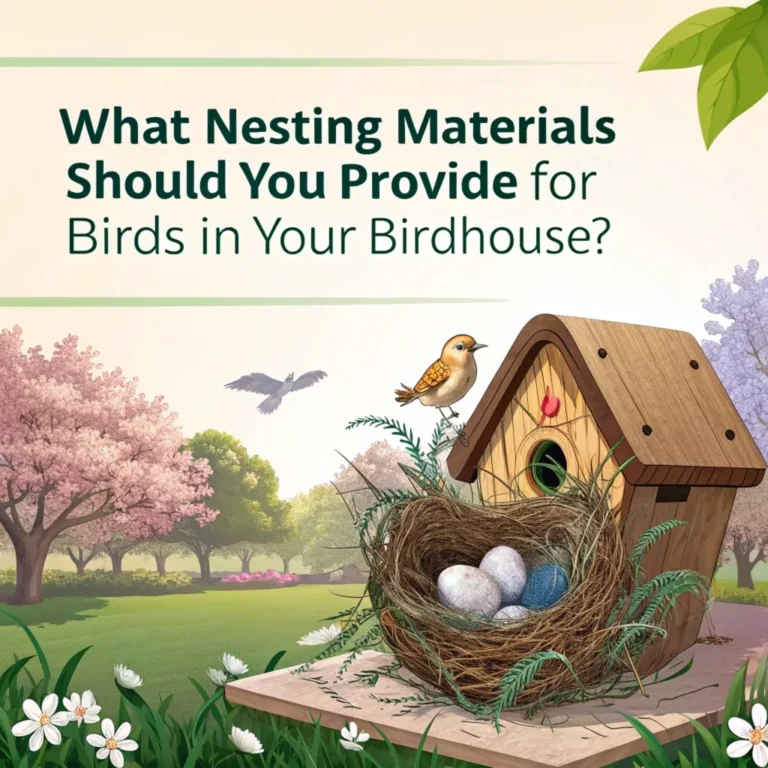
Should I put nesting material in my birdhouse?
No, birds prefer to build their own nests. Providing nearby natural materials is sufficient.
How long does it take for birds to start using a new birdhouse?
It can take anywhere from a few days to several months for birds to discover and use a new birdhouse. Patience is key.

Luna is the passionate founder and author of Birds and You, a website dedicated to sharing her love for birds with fellow enthusiasts. Through her engaging articles and guides, she aims to educate and inspire others to explore the fascinating world of birds. When she’s not writing, you can find Luna observing birds in their natural habitats or sharing beautiful bird photography on Pinterest. Join her on this journey to celebrate and protect our feathered friends!