
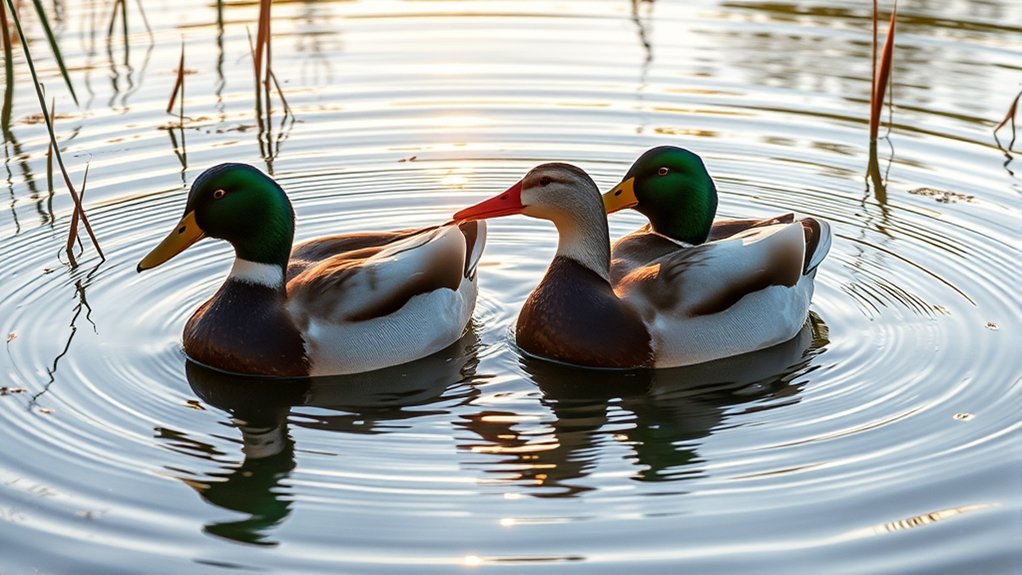
Do Ducks Mate for Life? Understanding Their Relationships
Do ducks mate for life? This is an interesting question! Ducks have different ways of forming friendships. Some types of ducks stay together for a long time, while others just have quick flings.
The kind of duck, where they live, and how they interact with each other can all affect their relationships. When you look at how ducks court and raise their young, you can see some cool patterns. These patterns show us that duck relationships can be pretty different from one another.
So, what makes ducks choose these different ways to connect? Let's dive in!
A Quick Overview
Dabbling ducks usually stick together. They mate with one partner and work as a team to take care of their chicks.
Diving ducks do things differently. They often change partners based on the season. This means they have shorter relationships.
Some female ducks use a mating style called polyandry. This means they can mate with more than one male. This helps keep their babies healthy by mixing up the genes.
Ducks also change how they mate depending on the weather and other conditions. A sunny day might mean more chances to meet a partner!
The way ducks socialize is very important too. Who's in charge can affect who gets to mate and how many eggs they can have.
In short, ducks have different ways of forming relationships. Some last for a long time, while others are just for a season.
Understanding Duck Species and Their Mating Habits

Ducks are really interesting animals, especially when you look at how different types of ducks mate. There are many kinds of ducks, and each type has its own way of finding a partner.
Some ducks, like many dabbling ducks, like to stick with one partner for a long time. They form close bonds and stay together for a long time.
On the other hand, some diving ducks don't stay with one partner. They might come together just for a short time to have babies and then go back to being alone.
Why do ducks have these different ways of mating? The answer lies in their environments and how they raise their young. For example, ducks that live in busy areas might change their mating habits to ensure their babies survive.
Studying how ducks mate can help us understand them better. It shows us how they adapt to their surroundings and live together.
The Courtship Rituals of Ducks
Ducks have some interesting ways of finding a partner. When you watch ducks, you'll see them do special dances and show off their pretty feathers.
Male ducks move around a lot. They bob their heads, flap their wings, and make waves in the water to get the attention of female ducks.
Female ducks pay attention to these moves. They might move a little to show they're interested or decide if the male duck is strong enough to be a mate.
These dances and displays help the ducks get to know each other and make their bond stronger.
Monogamy vs. Polyandry in Ducks

Ducks are interesting when it comes to their relationships. After they show off with their courtship dances, they choose different types of partnerships. Some ducks are monogamous, meaning they stick with one partner for a breeding season or even longer. This helps them work together to raise their young, making sure there's plenty of support for the chicks.
Other ducks practice polyandry, which means a female may mate with several males. This gives her eggs more genetic variety and can help more of her babies survive.
These different ways of forming relationships show how ducks can change based on their surroundings.
The Importance of Pair Bonding
Ducks are social animals, and they form strong pair bonds. These bonds help them be better partners and parents. When ducks team up, they work together. This teamwork helps them find food and raise their young more effectively.
Ducks often groom each other, which helps them feel close and happy. This time spent together also makes them feel safe. When they trust each other, they can keep an eye out for danger, like predators.
These relationships show how important loyalty and connection are for ducks. Partners stick together, face challenges, and create a strong family unit.
Learning about how ducks bond gives us insight into their social lives and helps us understand how their populations thrive.
Factors Influencing Duck Relationships

Duck relationships are influenced by several important factors. Social hierarchy is one key element. In a group, some ducks may be dominant, which helps them get better access to food and nesting spots.
The environment also plays a big role. If ducks find good habitats and plenty of food, they're more likely to breed successfully. This determines where they choose to pair up.
Another factor is genetic diversity. When a duck population has a mix of different genes, it can lead to healthier babies. This encourages ducks to form varied pair bonds.
Sometimes, ducks face competition for mates, especially in places with plenty of resources. In these situations, they may form temporary partnerships rather than lasting ones.
Predators also affect duck behavior. Ducks prefer to nest where they feel safe, which can influence their choice of partners. Their need to stay safe is often more important than mating choices.
Duck Communication During Mating
Ducks communicate in special ways when they want to mate. While they use their eyes to look at each other, their sounds are also very important.
Here are some key points about how ducks talk to each other:
- Quacking: Ducks make different sounds. The pitch and rhythm of their quacks show how they feel or what they want. Some sounds are friendly, while others might show they want to be in charge.
- Body Language: Ducks also use their bodies to communicate. How they hold their tails or move their heads can show if they're ready to mate or if they feel aggressive.
- Staying Close: When ducks are near each other, it often means they like each other. Being close shows they're interested in forming a bond.
- Watching Reactions: How one duck responds to another's sounds and movements tells a lot about their connection. Ducks that get along will show positive reactions.
The Role of Parental Care in Duck Partnerships
Parental care is super important for duck partnerships.
In many duck species, both moms and dads help raise their ducklings. This teamwork makes a big difference for the little ducks because they need protection and guidance to survive.
Moms often show the ducklings where to find water, while dads keep an eye out for danger. When you watch these ducks, you can see how their bond helps their babies do well.
Strong partnerships mean better care, which leads to healthier ducklings that can thrive.
Seeing how ducks work together shows how important teamwork is in raising their young. It highlights the commitment ducks have to their families, making their relationships special.
Seasonal Variations in Duck Mating
As spring comes, ducks start their special mating activities. These activities can be different depending on the type of duck and where they live. Understanding how these changes happen can help you learn more about ducks and their behaviors.
- Courtship Displays: Male ducks show off their bright feathers and dance to impress females.
- Nest Selection: Female ducks look for places to build nests. This choice can depend on things like weather and food.
- Mating Cycles: Ducks breed at certain times of the year when conditions are good for raising ducklings.
- Pair Bonding: Some duck couples stay together during the breeding season but go their separate ways after nesting.
These points about duck mating show how they adapt to their environment and improve their chances of having successful families.
Ducks have fascinating lives, and watching their mating rituals can be really interesting!
Observations of Duck Behavior in the Wild
Ducks have interesting ways of interacting with each other, especially when it comes to mating. When you watch them in the wild, you'll notice how important their homes are. Ducks like places with lots of food and shelter, like ponds and wetlands.
In these safe spots, you can see ducks pair up. They often swim together in sync and chat with each other using their sounds. This helps them build strong bonds and shows who's in charge in their group.
Caring for young ducks is a team effort for both parents, and this brings the community closer together.
Different types of ducks have different ways of acting based on where they live, which is pretty cool to see. By paying attention to these behaviors, you can learn a lot about how ducks relate to each other and why their homes are so important to their lives.
Insights Into Duck Relationships and Evolution
Ducks have interesting relationships shaped by their surroundings and evolution. Here are some key points about how ducks interact:
- Monogamous Pairing: Some ducks find a partner and stay together for a long time. This helps them raise their ducklings together, making it easier to care for the young.
- Courtship Displays: Ducks perform special dances and displays to attract mates. This helps them choose the best partners and keeps their gene pool strong.
- Nested Colonies: Ducks like to live close together. This group living keeps them safe from predators and helps them form friendships.
- Social Hierarchy: Some ducks are more dominant than others. This affects who gets to mate and can change the mix of genes in the group.
These points show how ducks balance their needs today with their future survival. Their social life is full of exciting interactions that are crucial for their species.
Frequently Asked Questions
Do All Duck Species Form Long-Term Partnerships?
Not all duck species look for long-term partners. Some types of ducks team up for a short time, while others stick together. This shows that ducks have different ways of mating and socializing. Each species has its own unique habits when it comes to forming bonds.
How Do Ducks Choose Their Mates?
Ducks choose their mates through fun and interesting behaviors. When you watch ducks, you will see them performing special courtship dances and making different sounds. These actions help them find a partner that fits well with them.
Ducks look for a few important things when picking a mate. They want to make sure their partner is strong and healthy. This helps them produce strong babies. Ducks also think about the area they live in and if they have enough food and safe places to nest.
Can Ducks Break Their Pair Bonds?
Ducks can break their pair bonds. When ducks feel stressed or face competition, they might separate from their mates. Choosing a mate is not always permanent. Ducks can adapt to what is happening around them. This shows how fresh and flexible their behavior can be in nature.
What Happens if a Duck Loses Its Mate?
If a duck loses its mate, it can feel very sad and lonely. Ducks are social animals and like to be with their partners. You might see the duck looking around for other ducks or acting differently than usual. This shows how much they depend on their mates and friends. It's important for ducks to have companionship to feel happy and healthy.
Do Ducks Remember Previous Mates?
Ducks have good memories. They can remember their old mates. When you watch them, pay attention to how they act with their mates. This shows how they build friendships and help each other, which is important for their lives.

Luna is the passionate founder and author of Birds and You, a website dedicated to sharing her love for birds with fellow enthusiasts. Through her engaging articles and guides, she aims to educate and inspire others to explore the fascinating world of birds. When she’s not writing, you can find Luna observing birds in their natural habitats or sharing beautiful bird photography on Pinterest. Join her on this journey to celebrate and protect our feathered friends!