
Do Geese Really Have Teeth?
Do Geese Have Teeth?
When you look at a goose, you might think those sharp edges on their bills are teeth. But they aren't! Geese have special structures called lamellae. These lamellae help them grab food, not chew it.
It's important to know how these parts work. They show us how geese eat and what kinds of food they prefer. So, how do lamellae help geese, and what does this mean for the environment? Let's find out!
A Quick Overview
Geese do not have teeth. Their bills are sharp along the edges, which helps them grab food. Some people think they have teeth because the edges of their bills look like teeth.
Geese eat food whole. They use their bills to capture and hold food instead of chewing it. Their bills have special parts called lamellae that help them filter food from water and mud.
Knowing this helps us understand how geese eat and what they like to eat in different places.
The Anatomy of a Goose: Understanding Their Bill Structure
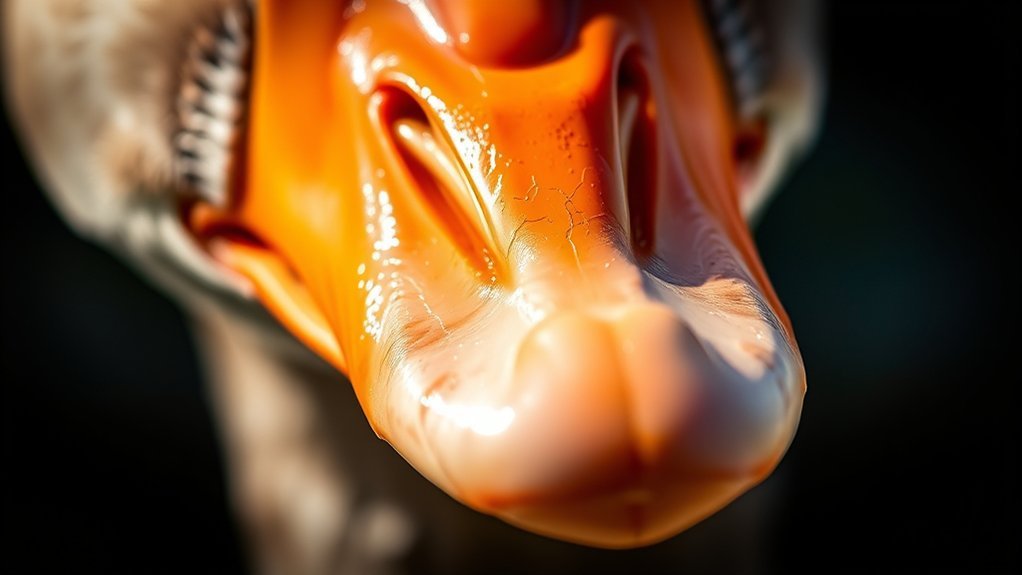
When you look at a goose's bill, you can see some cool features that help them survive. Their bill is special because it helps them eat. Most geese have broad, flat bills. This shape is great for grabbing plants in the water.
Some geese can even filter food from water and mud. They can find tasty snacks by sifting through these places.
The size and shape of a goose's bill can change a lot. Different types of geese eat different foods, so their bills are shaped for their needs. You'll also find lamellae, which are comb-like structures inside their bills. These help them catch food better.
Knowing how geese's bills work helps us understand how they live in different places. They play an important role in nature, and their bills help them thrive in their homes.
The Myth of Goose Teeth: What You Need to Know
When you look at a goose's bill, you might wonder if it has teeth. Many people think that, but it's not true! Geese don't have teeth at all. Instead, their bills have sharp edges, which help them hold and handle food.
This idea that geese have teeth is a common mistake. It comes from not understanding how their bodies work. Geese use their special bills to grab grass, seeds, and other foods. They don't chew like we do. Instead, they swallow their food whole.
It's important to clear up this myth. If we think geese have teeth, we can get confused about what they eat and how they behave.
Learning about goose bills helps us see how these birds fit into nature and what they do to find food. By sharing the truth, we can enjoy and appreciate geese even more!
Serrations and Their Purpose: How Geese Feed
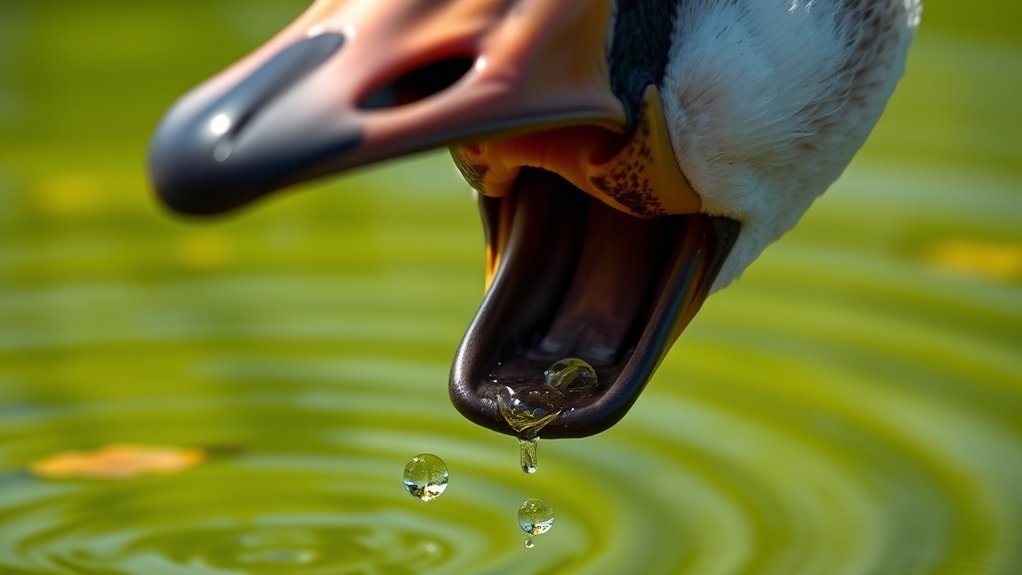
Geese have special serrations on their bills that help them eat. These serrated edges act like teeth, making it easy for geese to grab and pull apart plants.
When you watch them search for food, you can see how well these adaptations work. They can eat different kinds of plants, like grass and water plants, quickly and easily.
The shape of their bills makes it simpler for them to chew food, which saves them energy while they eat. This efficiency is important for their survival in different places.
Learning about how geese use their serrations can help us appreciate them more and understand their role in nature better. It also connects us to the natural world around us.
Foraging Habits: What Do Geese Eat?
Geese are fascinating animals with different ways of finding food. They usually like to eat grasses, grains, and other green plants. You can often see them grazing in fields or nibbling on tasty plants near water.
They don't just eat on land; they love to dive into ponds and munch on aquatic plants and seeds too!
Geese are good at changing their food based on what's around them. This helps them find enough to eat wherever they are.
When you watch geese in their natural settings, you'll notice how they graze and swim around happily. Their eating habits help not just them but also the land and water around them. They contribute to the growth of plants and help with the nutrient cycles in their habitats.
The Evolution of Goose Feeding Mechanisms

Geese have changed a lot over millions of years, and their feeding methods show some really cool changes that help them survive in different places. These changes help geese eat in ways that fit their homes. For example, their bills are shaped just right for eating grasses, plants, and seeds.
Geese have wide, flat bills that work well for filter-feeding. This means they can scoop up water and find small creatures to eat. Their strong necks help them reach plants growing underwater too.
When you learn about how geese eat, you see how their body parts and where they live work together. This makes it easier to appreciate these amazing birds.
Learning about geese helps us understand their place in nature better.
Comparing Goose Bills to Other Birds
Birds have different shapes of bills that help them eat in unique ways.
Goose bills are broad and flat. This shape helps geese graze on grasses and plants in the water.
Duck bills come in many shapes, often looking like spoons. This helps them filter food from the water effortlessly.
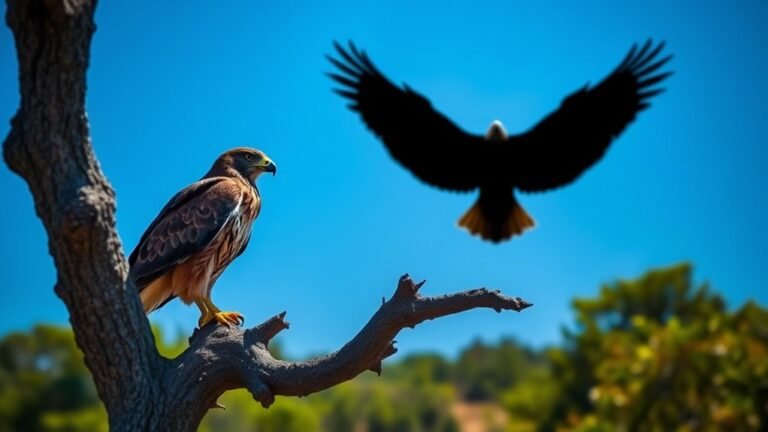
Raptors, like eagles and hawks, have hooked bills. These bills help them grab and tear meat since they're hunters.
By looking at these bill shapes, we can see how birds change to fit their habitats. Learning about how birds adapt improves our understanding of nature and shows how all animals are connected.
Studying geese can give us insight into how birds meet their needs in the environment.
How Bill Structure Affects Goose Behavior
The shape of a goose's bill is important. It helps them find food and interact with other geese. Their flat, wide bills make it easy to eat grass and other plants. This shape influences how they feed.
When geese are foraging for food, they often make honking sounds and show their feathers. This helps them communicate and stay close to each other. These social actions build strong bonds among the geese.
Knowing how a goose's bill affects their behavior can help you appreciate them more. You can see how their body shapes connect to what they do every day.
Geese are interesting birds with unique ways of living in their environment.
The Role of Geese in Their Ecosystem
Geese are important members of their ecosystems. They help keep nature healthy and balanced.
Let's look at three big ways they do this:
- Migration: Geese travel long distances each year. While they fly, they spread seeds and nutrients everywhere they go. This helps new plants grow in different areas.
- Eating Plants: Geese love to eat grass and water plants. When they graze, they change what plants grow in an area. Plus, they provide food for other animals, helping everything stay in balance.
- Helping the Soil: When geese poop, they add nutrients to the soil and water. This helps tiny organisms grow and makes the habitats healthier for all living things.
Through these actions, geese play a key role in keeping their environment vibrant and thriving!
Fun Facts About Geese and Their Unique Adaptations
Geese have some really cool traits that help them live and thrive in their environment. Let's take a look at five interesting ways geese adapt to their surroundings.
First, geese fly in a V-formation when they migrate. This special arrangement helps them save energy while flying. It makes their long journeys easier!
Second, geese talk to each other using different sounds. This communication helps them build strong friendships in their flocks. It's like having a close group of friends!
Third, geese have webbed feet, which make them great swimmers. This skill is important because it helps them find food in the water.
Fourth, geese have a special way of digesting food. They can get nutrients from tough plants, which is perfect for their diet.
Finally, when geese migrate, they help spread seeds. This action helps plants grow in new places.
These adaptations show how geese connect with nature and why they're important for keeping the environment healthy. Geese truly play a big part in our world!
Frequently Asked Questions
Do All Goose Species Have the Same Bill Structure?
Not all goose species have the same bill shape. Each type of goose has a bill that helps it eat different foods and live in different places. For example, some geese have wider bills for grazing on grass, while others have narrower bills for picking at seeds or small plants.
These differences in bill structure show how varied geese can be. Learning about these unique features can help you appreciate how geese fit into their environments and how they have changed over time. It's fascinating to see how nature adapts!
Can Geese Be Aggressive When Feeding?
Yes, geese can be aggressive when they eat. They might get angry if they feel someone is too close to their food or space. This behavior happens when they want to protect their area or their friends. If you see geese feeding, it's a good idea to watch them from a distance. This way, you can enjoy their behavior without bothering them. Remember, geese are interesting birds, and it's fun to learn about how they act!
How Do Geese Communicate While Foraging?
When geese are looking for food, they talk to each other using special sounds called foraging calls. These sounds show what they need or what they plan to do. Along with their voices, geese also use body movements to help them stay together as a group and work better when they search for food. This teamwork helps them find what they need while staying safe and connected.
Are There Any Predators That Target Geese?
Yes, geese have many enemies in the wild. Some of their main predators are foxes and birds of prey, like hawks and eagles. Different areas have different kinds of predators. In some places, there are more animals that hunt geese. This can change how geese build their nests and where they look for food. Knowing about these threats helps us understand how geese live and survive in nature.
What Is the Lifespan of a Typical Goose?
Geese are interesting birds that can live a long time! On average, a goose can live between 10 to 25 years. How long they live depends on their type and the environment they live in. Knowing how long geese can live helps us see why they matter in nature and how they support our ecosystems. Geese can be fun to watch and learn about, making them important for biodiversity.

Luna is the passionate founder and author of Birds and You, a website dedicated to sharing her love for birds with fellow enthusiasts. Through her engaging articles and guides, she aims to educate and inspire others to explore the fascinating world of birds. When she’s not writing, you can find Luna observing birds in their natural habitats or sharing beautiful bird photography on Pinterest. Join her on this journey to celebrate and protect our feathered friends!