
Ducks of Alaska: Species Overview
When you visit Alaska's wetlands and lakes, you will see many types of ducks. Each kind has its own unique look and behavior. You might notice the colorful Mallards and the graceful Northern Pintails. Other ducks like the Canvasbacks and Common Mergansers are also part of the mix.
Watching these ducks in their homes helps you understand how they act and move around during the seasons. You might wonder how they deal with the challenges of their surroundings. The answers can be quite interesting!
A Quick Overview
Alaska has many different kinds of ducks. Some of these include Mallards, Northern Pintails, Canvasbacks, Common Mergansers, and Barrow's Goldeneyes.
Mallard ducks are easy to spot. They have bright green heads and love to swim in ponds and wetlands. During courtship, they show off their social skills.
Northern Pintails have long necks and pointed tails. They like shallow waters and perform fun mating dances to attract their partners.
Canvasbacks dive into the water to find small creatures like fish. Common Mergansers are great at catching fish, thanks to their sleek bodies.
Many of Alaska's ducks migrate long distances. Their journeys can change because of climate change and loss of habitat. Each duck plays an important role in the environment, making Alaska a great place to watch and learn about these birds.
Overview of Duck Species in Alaska

Alaska has many pretty waterways that are home to a variety of ducks. Each duck species adds something special to this beautiful place. You can find ducks in different habitats, such as calm lakes and busy coastal marshes.
During nesting season, ducks show strong bonds with their mates. They care for each other and their eggs. For example, Northern Pintails like wide-open spaces, while Common Eiders enjoy rocky coastal areas.
Learning about these ducks helps you appreciate Alaska's wildlife. You can enjoy watching these birds as they go about their lives in their habitats.
Mallard Ducks

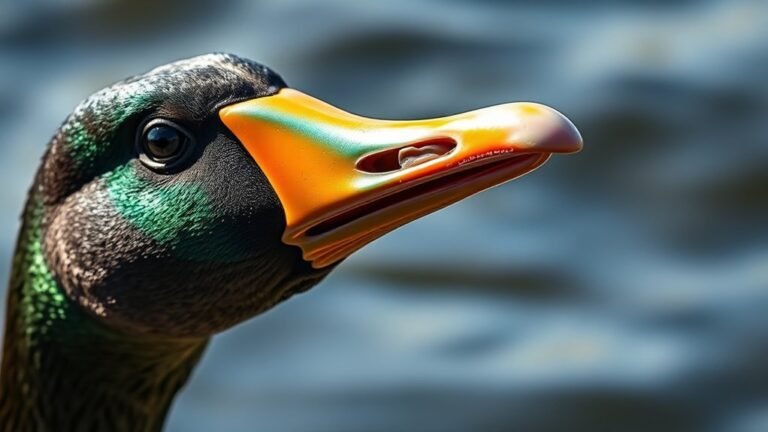
Mallard ducks are some of the most familiar ducks in North America. They've bright green heads and beautiful blue wings. You can find them in many places like calm ponds, busy rivers, and wetlands.
These ducks are interesting to watch. They find food on land and in water. They like to dabble, which means they tip their bodies to reach plants and seeds underwater.
Mallards also enjoy socializing. You might see them performing courtship displays or hanging out in small groups.
In Alaska, mallards adapt well to different environments. They change their nesting habits to match the seasons.
Northern Pintails

While watching ducks in Alaska, you might see the beautiful Northern Pintail. They've long necks and pointed tails that make them easy to recognize.
In spring, male Northern Pintails do fancy dances to impress the females. They show off their colorful feathers during these displays.
When it comes to eating, Northern Pintails love shallow waters. They use their long bills to find hidden plants and tiny bugs.
Their diet includes aquatic plants, seeds, and some insects, which give them the nutrients they need. You can spot them gracefully dabbling or tipping their bodies to catch food.
This adds to their charm and beauty. Seeing Northern Pintails in Alaska makes observing birds a fun and joyful experience.
Canvasback Ducks
Canvasback ducks are easy to spot because of their unique shape and bright red heads. In Alaska's wetlands, you can find them swimming in shallow marshes filled with underwater plants. Their long bodies move smoothly through the water, showing off their great swimming skills.
When you watch them, you might see them dive down to find plants and small creatures to eat. This shows how well they adapt to their environment.
During mating season, male canvasbacks perform special moves to impress the females. They often swim together in a dance-like way.
Common Mergansers
Common mergansers are beautiful ducks. They've long bodies and slim, pointed bills. You can find them in fresh water, like clear lakes and rivers that have lots of fish. Watching them can be fun. They're great divers and swim underwater to catch fish. Sometimes they team up with other mergansers to catch fish together.
When they aren't hunting, they like to rest on rocks or logs. Their bright feathers make them easy to spot against the water and landscape.
During nesting season, common mergansers like to make their nests in tree holes or thick bushes near water. Learning about where they live and how they act can make your time in nature even more enjoyable!
Barrow's Goldeneye
Barrow's Goldeneye may not be as famous as some other sea ducks, but it sure stands out. These ducks have bright colors that catch your eye. The males have shiny green heads and a white spot behind their eyes, making them easy to spot.
This duck loves clear, fresh lakes or ponds that are surrounded by big forests. They often make their nests in tree holes, which keeps their eggs safe.
During breeding season, males show off to attract females. They dive and move their heads in impressive ways. These courtship displays help them find a mate.
Barrow's Goldeneye pairs up for life, which means they've strong bonds with their partners. They usually have small groups of eggs, so their families aren't very big.
Watching these ducks can teach you a lot about their habits and how they interact with each other. They're a special part of the lively ecosystem in Alaska.
Teal Species
In Alaska, you can find different kinds of teal ducks. These small, colorful ducks have some interesting traits. Here are some things to know about them:
- Where They Live: Teals love wetlands, marshes, and shallow lakes. These areas have plenty of food for them.
- Social Life: Teals usually stick with a group. They help each other find food when they're out.
- What They Eat: Teals are dabblers. They like to feed by skimming the water for plants and insects.
- Quick Movements: Teals can fly fast and swim quickly. This helps them escape from predators.
Watching these ducks can be really fun. They're lively and full of energy!
Spectacular Migratory Patterns
Many birds migrate, but the duck migration in Alaska is truly special. Ducks like the Northern Pintail and the Widgeon travel long distances from their homes in the Arctic to warmer places in the U.S. during the winter. They know exactly where to go based on the seasons and can find their way across large areas.
However, these birds face big problems that make migration hard. Changes in the climate and loss of homes threaten their journeys.
Watching these beautiful ducks as they migrate helps us connect with nature. It reminds us how important it's to protect their travel routes.
Frequently Asked Questions
What Is the Best Time to Observe Ducks in Alaska?
To see ducks in Alaska, pay attention to spring and fall. This is when they migrate. The best times to watch them are in the early morning and late evening. During these times, ducks are most active. You'll get to see their beautiful colors and interesting behaviors. Grab your binoculars and enjoy the show!
Are There Any Endangered Duck Species in Alaska?
Yes, there are endangered duck species in Alaska, such as the Hawaiian Goose. These ducks are special and need our help. By watching them, we can understand how important it is to protect their homes. We should work to keep these beautiful birds safe for everyone who comes after us.
How Do I Identify Different Duck Species?
To identify different duck species, start by looking at their colors and patterns. Each type of duck has unique feathers. Pay attention to their sounds, too; different ducks make different calls. By watching and listening carefully, you can learn to tell ducks apart and enjoy nature even more.
What Habitats Do Alaskan Ducks Prefer?
Alaskan ducks really like freshwater wetlands, coastal marshes, and ponds in forests. They move around a lot, and by watching where they go and what they eat, we can see how they are able to live in different places. This shows us how important it is to pay attention to the nature around us. When we understand where ducks like to hang out, we can better connect with our local environment and appreciate the beauty of wildlife!
Can Ducks Be Found Year-Round in Alaska?
Ducks can be found in Alaska all year long. Some ducks have special migration patterns. This means that they move from one place to another depending on the season.
During winter, some ducks stay in Alaska. They adapt to the cold weather and find food in lakes and rivers. This shows how strong and smart ducks are. They live well in tough conditions.
Watching ducks in Alaska can be a fun experience. You can see how they behave differently in each season. It's a great way to learn about nature and enjoy the beautiful scenery.

Luna is the passionate founder and author of Birds and You, a website dedicated to sharing her love for birds with fellow enthusiasts. Through her engaging articles and guides, she aims to educate and inspire others to explore the fascinating world of birds. When she’s not writing, you can find Luna observing birds in their natural habitats or sharing beautiful bird photography on Pinterest. Join her on this journey to celebrate and protect our feathered friends!