Ducks of Colorado: Identification and Behavior
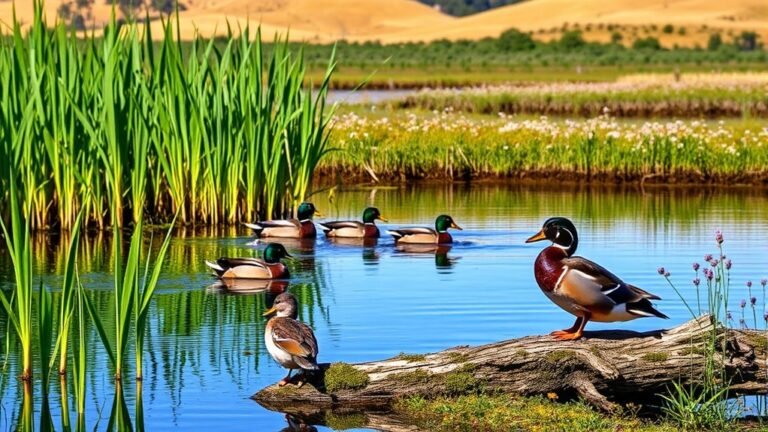
In Colorado, you can often see ducks like the Mallard and Northern Pintail. These ducks are fascinating and have interesting behaviors. Male ducks are bright and colorful. This helps them attract girls. Female ducks are brownish to keep them safe while they nest.
When you watch these ducks, you can see how they interact with each other. They make different sounds and show off to find mates. Their behaviors help them survive in the wild. But what makes these interactions happen? And how do they impact where the ducks live and how they are protected?
Understanding these questions can help us appreciate ducks in Colorado even more!
A Quick Overview
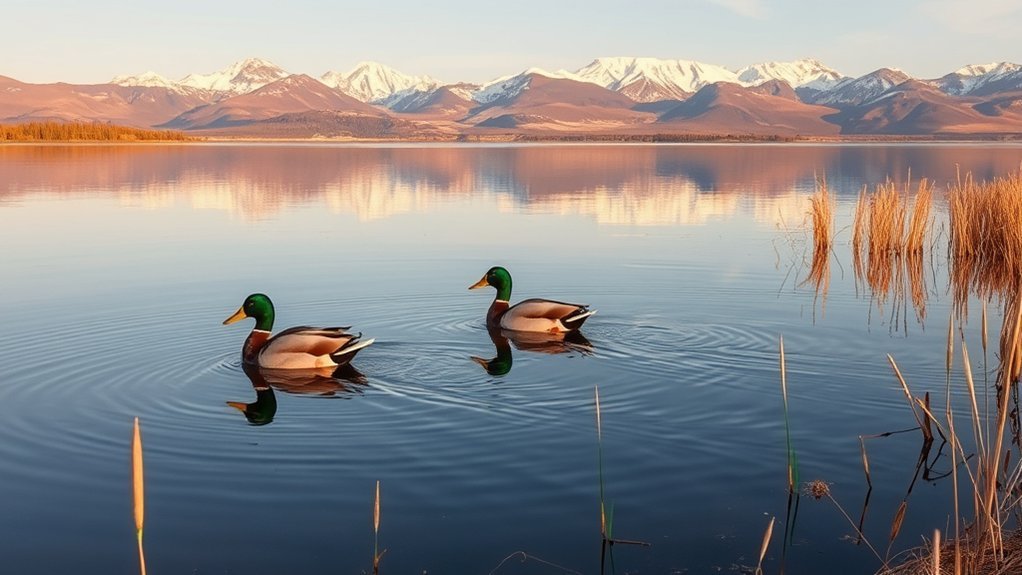
In Colorado, you can find many ducks like Mallards, American Black Ducks, and Northern Pintails. They usually live in wetlands and lakes.
Male ducks are bright and colorful, while female ducks are more muted. This helps them hide while they nest.
Ducks live in groups. The way they act in these groups can affect how they mate and feed. Males show off to attract females.
Ducks also migrate. In spring, males lead the way to nesting places. In winter, they move south.
It's important to protect their habitats. Urban development and pollution can harm duck populations and their homes. Keeping these areas safe helps ducks thrive.
Common Duck Species in Colorado

In Colorado, you can see many types of ducks that live in wetlands, lakes, and rivers. Some of the common ones are the Mallard, American Black Duck, and Northern Pintail. Each of these ducks plays an important role in their homes.
Watching ducks is fun. You can see how they behave and interact with each other. This helps you appreciate nature more.
The places where they live are very important for their survival, so it's good to support efforts to protect these habitats. You can help by talking about clean water and good practices that keep the environment safe.
As you spot different ducks, you'll feel more connected to nature and want to help keep their homes beautiful. Enjoy the sights and sounds of these amazing birds!
Identifying Male and Female Ducks
Male and female ducks look different from each other, which is pretty cool! If you pay attention, you'll see that male ducks usually have bright colors and special patterns. These colorful feathers help them attract females when it's time to mate.
On the other hand, female ducks wear more muted colors, which helps them blend into their surroundings while they nest and care for their young.
You might also notice that male ducks are often a bit bigger than females, but this can change depending on the type of duck. Look closely at their bills and feather patterns, too; these details can help you tell them apart.
Seasonal Migration Patterns
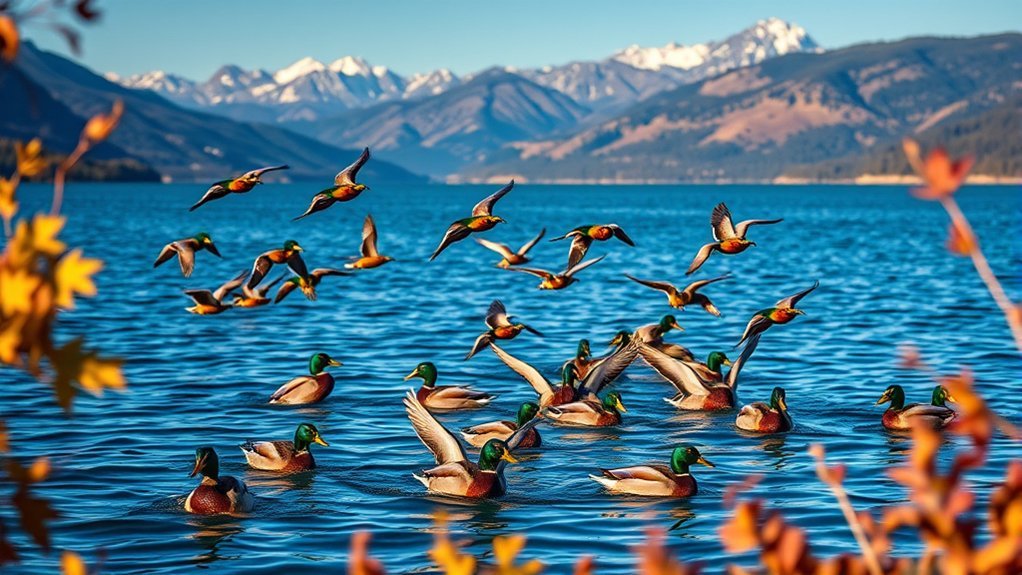
Ducks can be pretty interesting, especially when you learn how male and female ducks behave during migration.
In Colorado, you can see some unique patterns as the weather changes.
In spring, male ducks often take the lead. They go first to find places to set up nests. The female ducks follow close behind to look for good spots to breed. This movement is essential for their families to succeed.
After summer, when they've raised their young, the ducks head back to their winter homes, usually where it's warmer and food is easier to find.
You may see that different kinds of ducks travel at different times. This timing can change based on the weather and where they can find food.
Duck Behavior and Social Structures
Ducks are often thought of as loners, but they actually have interesting social lives. When you see a group of ducks, you can find a clear order among them. Some ducks are in charge, and this affects their actions, like where they eat and how they court potential partners.
The strongest males usually attract more females. They show off with colorful displays and loud quacks. These courtship habits help strengthen friendships in the duck group.
If you watch carefully, you'll see how ducks communicate with each other. They respect each other through their actions.
This social connection is important for their survival. It helps ducks make decisions together, which is critical in nature. Knowing how ducks interact makes it easier to appreciate their lives and enjoy watching them.
Habitats: Where to Find Ducks
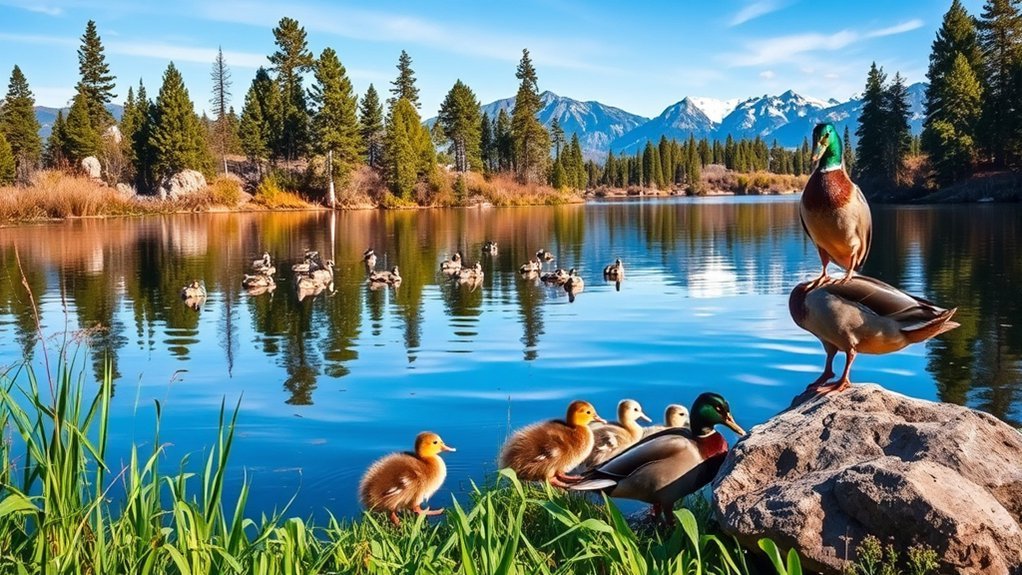
Ducks live in many cool places, so it's fun to look for them as you explore Colorado. You might see them in parks or when you're hiking. Here are some great spots to check out:
- Wetlands: These areas are very important for ducks. Many kinds of ducks come here to live and rest.
- Lakes and Ponds: Ducks love to swim and breed in both natural and man-made lakes and ponds.
- Urban Habitats: Ducks can be found in city parks and rivers. They're smart and can adapt to living near people.
- Rivers and Streams: Moving water gives ducks food and shelter. This is another good place to watch them.
Keep your eyes open, and you might spot some ducks having a good time!
Conservation Efforts and Challenges
Many people love watching ducks in Colorado. To keep enjoying these beautiful birds, we need to protect their homes and help them thrive. Wetlands are essential for ducks, but urban growth and farming often take away these areas.
Wetlands do more than house ducks; they also help our planet by providing clean water and supporting wildlife.
Sadly, pollution harms these important places. It can mess up the food ducks eat and make the water dirty. You can help ducks by supporting local groups that focus on keeping their homes safe and clean. You can join community events or even just be careful about how you use resources.
Frequently Asked Questions
What Do Ducks Eat in Colorado's Natural Habitats?
In Colorado, ducks eat a variety of foods. They enjoy pond plants, like water lilies and duckweed. Ducks also munch on algae and find tasty insects in the water.
These ducks help keep the ecosystem balanced. By eating plants and insects, they support the health of their habitats. So, next time you see ducks, remember they're doing important work in nature!
How Do Weather Changes Affect Duck Behavior?
Weather changes affect how ducks behave in big ways. Temperature changes can make ducks migrate to warmer places. They might also change their eating habits to stay healthy and survive in different weather.
When it's cold, ducks might fly to areas where it is warmer. This helps them find food and stay safe. On the other hand, when the weather gets warmer, ducks may return to their usual spots.
Ducks are great at adapting. They learn to change their routines based on what's happening with the weather. This helps them thrive, no matter what season it is.
Do Ducks Have Any Natural Predators in Colorado?
Ducks in Colorado have natural predators that can harm them, especially when they are nesting. Some of these predators include foxes and raccoons. Knowing about these dangers can help us take better care of ducks. When we understand their needs, we can work together to create a safe home for them. Let's spread the word and protect our ducks!
How Can I Help Injured or Orphaned Ducks?
If you see ducks that are hurt or alone, please reach out to a local duck rescue. They know how to help and care for these ducks the right way. By getting involved, you can make a big difference in their recovery. Plus, you'll help create a caring community that loves wildlife.
What Are the Best Times to Observe Ducks?
To see ducks in action, it's best to watch them during their breeding seasons and while they are migrating. Early mornings and late afternoons are great times. Ducks are most active during these parts of the day. You can enjoy their behaviors and how they interact with each other. Grab your binoculars and find a nice spot to watch!

Luna is the passionate founder and author of Birds and You, a website dedicated to sharing her love for birds with fellow enthusiasts. Through her engaging articles and guides, she aims to educate and inspire others to explore the fascinating world of birds. When she’s not writing, you can find Luna observing birds in their natural habitats or sharing beautiful bird photography on Pinterest. Join her on this journey to celebrate and protect our feathered friends!