
Hummingbirds Found in Michigan: Species Overview
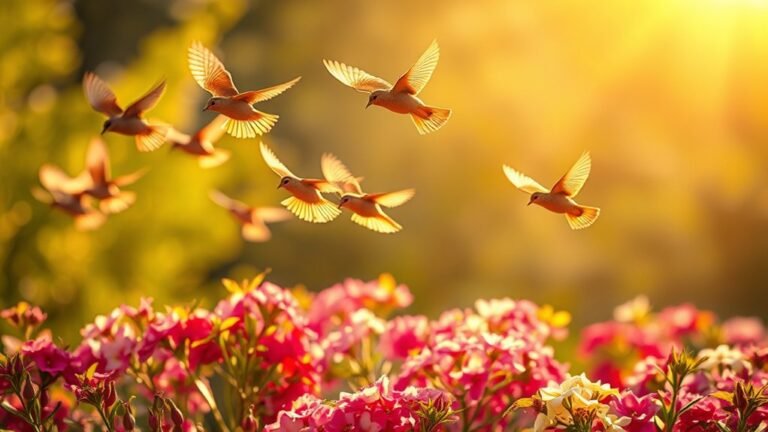
When you think of hummingbirds in Michigan, you probably picture the Ruby-throated Hummingbird. This bird is the most common in the state and is famous for its long migrations. Sometimes, other types like the Rufous and Anna's Hummingbirds show up too. This adds variety to our local wildlife.
It's important to learn about these birds and their habits. This knowledge helps us create better environments for them. Let's look at the different hummingbird species in Michigan and why they matter to nature around us.
A Quick Overview
In Michigan, you can find different types of hummingbirds. Here are some of the most common ones:
- The Ruby-throated Hummingbird is a frequent visitor. It migrates all the way from Central America to breed in Eastern North America. This little bird can fly up to 3,500 miles to reach Michigan!
- The Rufous Hummingbird starts its journey in Alaska and Canada before heading to Mexico. It loves to find flowers rich in nectar along the way.
- The Calliope Hummingbird is the smallest bird in North America. It faces challenges like losing its home and climate change, but you might spot it in the Michigan mountains.
- The Black-chinned Hummingbird prefers open woods. It travels from the southwestern United States to Mexico, where it enjoys sweet nectar from flowers.
- Anna's Hummingbird is found in the western United States. It likes to nest in mild climates and enjoys tubular flowers like red salvia, which attract many flower lovers.
These tiny birds are fascinating to watch and play an important role in nature!
Ruby-throated Hummingbird

The Ruby-throated Hummingbird is a special bird that breeds in Eastern North America. Every year, it makes an amazing trip to Michigan. These little birds travel up to 3,500 miles from Central America to reach the beautiful places in the Midwest.
When they arrive, they need food. Hummingbirds love to drink nectar from long, tube-shaped flowers. This sweet juice gives them the energy they need for flying.
To help these birds, you can plant native flowers that they like. You can also put up feeders filled with a sugar water mix.
Learning about these birds helps you enjoy Michigan's nature even more. You get to see how everything in nature connects.
Rufous Hummingbird
The Rufous Hummingbird is a small bird that migrates long distances every year. It travels from Alaska and Canada to Mexico for the winter. This is a big journey for such a tiny bird!
During its trip, the Rufous Hummingbird looks for different flowers to sip nectar. This helps it stay strong and energized.
Besides nectar, the Rufous also eats small insects for protein. If you live in Michigan, you might see these birds during their travels. You can attract them by putting up feeders filled with sugar water.
Watching them feed is exciting and shows how amazing these little birds are. They play an important role in nature as they move from place to place.
Calliope Hummingbird

The Calliope Hummingbird is a small and special bird. It's the tiniest bird in North America. You mightn't see it as often as other hummingbirds, but it's worth knowing about. This bird prefers to live in mountains. It loves places with lots of colorful wildflowers, especially in the western U.S. and parts of Canada during breeding season.
If you spot a Calliope Hummingbird, you'll notice its bright, shiny feathers and its unique sounds. They're really beautiful to watch. In the wild, these birds usually live about 3 to 5 years.
However, they face some problems, like losing their homes and changes in the climate.
To help the Calliope Hummingbird thrive, we can learn about what they need. Supporting conservation efforts is an excellent way to help them. This way, we can see more of these amazing birds, not just in Michigan, but everywhere!
Black-chinned Hummingbird
The Black-chinned Hummingbird is a small, vibrant bird that many find fascinating. With its bright colors and unique throat patch, it can easily catch your eye.
These birds like to live in open areas like woodlands and scrublands. They enjoy flowers that provide sweet nectar.
You might see them zooming around, showing off their flying skills. They fly gracefully as they defend their homes from others.
These birds travel long distances too, moving between the southwestern U.S. and Mexico to find the best places to nest in the summer and stay warm in the winter.
If you want to see these lovely birds up close, consider putting out hummingbird feeders. Filling these with nectar can bring them to your yard.
Watching them can be fun and helps you learn about their life and needs. Enjoying their company allows you to connect with nature while supporting these amazing creatures.
Anna's Hummingbird

Anna's Hummingbird is a stunning bird found in the western United States. With its shiny feathers, it attracts many birdwatchers. Watching these birds can teach you about how they live and what flowers they like.
- These hummingbirds mostly breed in mild areas, usually making nests from late winter to spring.
- They love nectar from tubular flowers like red salvia and trumpet vine, which are easy for them to reach with their long bills.
- You might see them being a bit pushy around food spots, as they want the best places to eat.
Learning about Anna's Hummingbird can help you connect with nature. Recognizing their special features can make you appreciate how nature works.
Enjoy the beauty and activity these little birds bring to our world!
Broad-tailed Hummingbird
The Broad-tailed Hummingbird is a special bird found in different parts of North America. It's known for its bright colors and unique way of flying. When it flies, it makes a cool sound with its wings that helps you spot it easily.
These hummingbirds like to live in open woods and meadows, especially in high places where wildflowers grow. They need these flowers because they get their energy from the nectar in them.
Watching Broad-tailed Hummingbirds can be a joyful experience. They help plants by pollinating, which keeps nature balanced.
Learning how they live and behave can make you feel more connected to nature and other people who love birds too.
Frequently Asked Questions
When Is the Best Time to Spot Hummingbirds in Michigan?
If you want to see hummingbirds in Michigan, spring is the best time. These little birds come back during their migration. The best months to spot them are early to mid-May. This is when they start to appear, and you can enjoy watching their colorful and lively movements.
What Plants Attract Hummingbirds to My Garden?
If you want to bring hummingbirds to your garden, plant bright flowers like trumpet vine and bee balm. These flowers are full of sweet nectar, which hummingbirds love. Their colorful petals will make your garden lively and inviting for these amazing birds.
Growing these plants is easy. Just make sure they get enough sunlight and water. Sit back and watch as the hummingbirds visit your flowers. It's a fun way to add beauty and life to your yard!
How Can I Differentiate Between Male and Female Hummingbirds?
To tell the difference between male and female hummingbirds, start by looking at their colors. Males usually have bright, colorful feathers, while females have more muted and simple colors.
You can also notice size differences. Females are often a bit larger than males. So, if you see a hummingbird that is colorful, it's likely a male. If it's a bit bigger and less colorful, it's probably a female. Enjoy watching these beautiful birds!
Do Hummingbirds Migrate? if So, When?
Yes, hummingbirds migrate. They fly south in the fall and come back in spring. You can watch their journey and see how they follow the seasons. It's amazing to see these tiny birds travel so far! Their trips remind us of nature's patterns and changes.
What Are the Threats to Michigan's Hummingbird Populations?
Michigan's hummingbird populations face serious threats. The biggest problems are habitat loss and climate change. These issues make it hard for hummingbirds to find places to build their nests and sources of food. When their homes and food are disturbed, it affects how they survive and migrate in Michigan. It's important to protect these tiny birds and their environment to help them thrive.

Luna is the passionate founder and author of Birds and You, a website dedicated to sharing her love for birds with fellow enthusiasts. Through her engaging articles and guides, she aims to educate and inspire others to explore the fascinating world of birds. When she’s not writing, you can find Luna observing birds in their natural habitats or sharing beautiful bird photography on Pinterest. Join her on this journey to celebrate and protect our feathered friends!