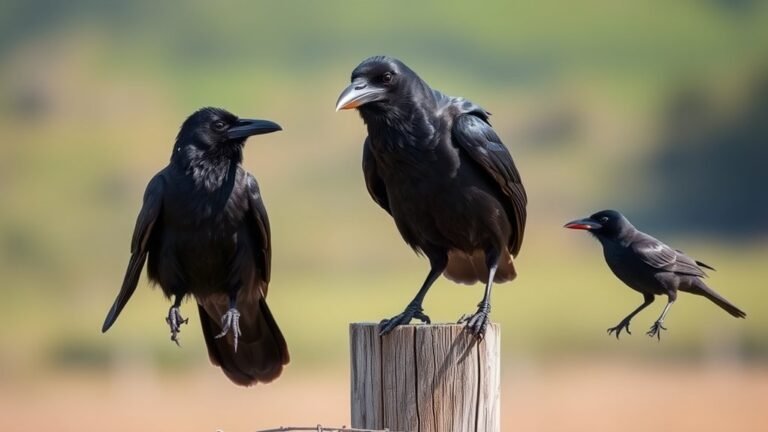

Identifying Female Bluebirds: Key Features
To identify female bluebirds, pay attention to their unique features. They usually measure between 7 to 8 inches in length. Unlike males, female bluebirds have a less noticeable bill that helps them find food.
The colors of their feathers are not as bright. You will often see shades of brown and gray, which help them blend into their surroundings. This camouflage is important for staying safe.
Knowing these physical traits is key for recognizing female bluebirds. But don't forget—watching how they act and where they choose to live can give you even more clues about them. These birds are fascinating, and learning about them can be enjoyable!
A Quick Overview
Female bluebirds are about 7 to 8 inches long. They are usually slimmer than the males. These birds have soft colors, like light brown and gray. This makes them look different from the bright blue of the males.
Their legs are lighter in color. This helps them blend in with their surroundings. Their eyes can be dark brown or hazel, which adds to their gentle look.
If you want to tell females apart from males, pay attention to their softer feather patterns. Female bluebirds have more subtle designs compared to the bold colors of the males.
Overview of Bluebird Species

Bluebirds are beautiful birds with bright colors. They're part of the Sialia family and have three main types: the Eastern Bluebird (Sialia sialis), the Western Bluebird (Sialia mexicana), and the Mountain Bluebird (Sialia currucoides). Each type has its own special way of living.
The Eastern Bluebird loves to be around open fields, farms, and orchards. They really like places where people have made changes to nature.
The Western Bluebird, on the other hand, likes areas with many shrubs and a dry climate.
Lastly, the Mountain Bluebird prefers high grasslands and mountain areas.
Learning about where these bluebirds live helps us understand them better. It also makes us care more about keeping their homes safe.
Importance of Female Identification
Identifying female bluebirds is very important. It helps us understand how they behave, especially when it comes to mating and nesting. Knowing which birds are females is more than just spotting them. It helps scientists learn about the whole group of bluebirds and how to keep them safe.
When we can tell the females apart, we can look at how many are in a population, how many babies they have, and what dangers they face in their homes. This information is key for making smart decisions about conserving their environments. Female bluebirds often act in different ways during breeding season, so paying attention to them can help us know what they need.
By keeping an eye on female bluebirds, we can also learn about their genetic diversity. This means we can see how strong the population is against changes in the environment.
In the end, understanding female bluebirds helps everyone involved in their care and protection. Plus, learning about them can make birdwatching more fun and rewarding.
Physical Characteristics of Female Bluebirds

When you look at female bluebirds, you see some special features that help you tell them apart from the males. These traits can also explain what they like to eat and where they live.
- Body Size: Female bluebirds are usually thinner than males. They're about 7 to 8 inches long.
- Bill Structure: Their beaks are a bit shorter and not as strong, which helps them eat insects and berries.
- Eye and Leg Color: Female bluebirds have softer eye colors, like dark brown or hazel. Their legs are lighter, which helps them blend in with their homes.
Knowing these details helps you appreciate female bluebirds better and understand their role in nature.
Coloration and Plumage Differences
Female bluebirds look quite different from male bluebirds, and their colors help them hide and stay safe. While the males are bright blue, the females wear softer colors like browns and grays. These colors help them blend into their nests.
Their bellies are usually lighter and may show a hint of cinnamon, while their feathers feel finer and not shiny like the males'.
These differences are important for their safety from predators. Understanding what makes female bluebirds unique can help you appreciate their beauty and role in nature even more.
They may not have the same vibrant colors, but their subtle shades and patterns are just as fascinating!
Size and Build Comparisons

Female bluebirds are usually between 6.5 to 8 inches long.
They're a bit smaller than male bluebirds, which are around 7 to 8.5 inches. This size difference helps you tell them apart easily.
They've some unique features that can help you recognize female bluebirds:
- Size: Females have a more compact body. This makes them quick and swift in the air.
- Wings: Males have wider wings, which they use to show off. Females have slightly narrower wings, allowing them to fly more quietly.
- Tail: A female's tail has a gentle curve, which helps her fly gracefully.
These traits can help you understand and identify female bluebirds better!
Behavioral Traits Unique to Females
Female bluebirds have some special traits that make them different from male bluebirds. For example, when they show interest in a mate, they often move and act in a way that shows their preferences. They choose carefully, which is different from the way males act.
In their flocks, female bluebirds like to interact with other birds. This friendly behavior helps create cooperation within the group. It also plays a part in choosing partners and deciding who stays in which area.
When it comes to finding food and building nests, female bluebirds pay close attention to detail. They make sure their homes are safe for their babies.
Even though male bluebirds may take charge of displaying their territory, females make choices that strengthen their relationships and help keep their social groups strong.
Learning about these traits helps us appreciate how interesting female bluebirds are in nature.
Vocalizations and Calls
Bluebirds use sounds to talk to each other. Their calls are different for males and females. Female bluebirds have special sounds that help them with socializing and showing their territory.
Here are some of their calls:
- Short chirps: These are quick sounds that bluebirds make when they're looking for food. They help alert other birds and can attract a mate or tell their babies to be careful.
- Soft trills: You can hear these gentle sounds when bluebirds are building nests. They use trills to talk to their partners and keep their bond strong.
- Loud, descending notes: These calls are used when there's danger. The loud sounds warn other birds about threats or intruders to help keep their home safe.
Habitat Preferences
Understanding bluebird sounds helps us learn about their groups and where they like to live. Bluebirds like places with different types of land, like open fields with small bushes and trees.
Female bluebirds have special spots they like for nesting. They prefer natural holes or human-made birdhouses in these open areas. Having places to sit and watch is very important for them. This helps them find food easily, as they eat a lot of insects.
They usually don't go to thick forests because they can't see well or find food there.
If you want to see female bluebirds, look for these types of spaces. It's fun to watch how they choose their homes and how they live.
Breeding and Nesting Behaviors
Female bluebirds act in special ways during the breeding season. Their choice of nesting spots is very important for their babies to survive. Here are some key parts of how they nest:
- Where They Build: Bluebirds like to build their nests in safe places. They often pick man-made structures or tree holes to keep away from predators and bad weather.
- What They Use: They collect natural materials like plants, feathers, and mud. These things help make a warm and cozy nest for their eggs.
- Laying Eggs: Bluebirds usually lay 3 to 7 eggs. They lay one egg each day. This helps the eggs hatch at the same time, which is better for the baby birds.
Seasonal Changes in Appearance
As the breeding season ends, bluebirds change a lot in how they look, especially their feathers. Female bluebirds show softer colors as they lose bright pigments. The blues and chestnut colors fade, making them less bright.
This change happens because of things like temperature changes and food availability.
These color changes help bluebirds stay warm and blend into their surroundings when they aren't breeding. As you watch these birds, think about how they adjust to their environment. This shows us how closely connected their biology is to the world around them.
Tips for Spotting Female Bluebirds in the Wild
Want to see female bluebirds in the wild? Here are three simple tips to help you spot them:
- Best Time to Look: Go out early in the morning or late in the afternoon. This is when bluebirds are awake and busy looking for food or building their homes.
- Right Places to Search: Look for open fields with some trees. Female bluebirds like these spots because they use them to nest and find food.
- Know the Difference: Learn what female bluebirds look like. They're less bright than the males, with soft shades of blue and brown. This will help you tell them apart.
With some patience and a little practice, you'll enjoy watching these beautiful birds in their homes.
Happy birdwatching!
Frequently Asked Questions
Do Female Bluebirds Have Unique Markings or Patterns?
Female bluebirds do not have special markings like male bluebirds. Instead, they use their movements and sounds to attract mates. During mating displays, female bluebirds show their readiness to breed through gentle body movements and soft calls. These actions help them connect with potential partners.
How Can I Differentiate Female Bluebirds From Similar Species?
To tell female bluebirds apart from similar birds, look at where they live and how they nest. Female bluebirds love open fields and often build their nests in tree holes or on ledges. This shows they have their own special way of living compared to other birds.
Pay attention to them when they are nesting. Watching their behavior and where they choose to stay can help you spot them easily. This makes it fun to learn about these beautiful birds!
What Is the Lifespan of Female Bluebirds in the Wild?
Female bluebirds in the wild usually live between 2 to 6 years. Their lifespan depends a lot on where they live and how much food is around. They face challenges like predators and changing weather. This means they have to be careful to survive.
Are There Any Specific Foods That Attract Female Bluebirds?
To attract female bluebirds, offer them tasty food. They love high-protein insects like mealworms. You can also provide sweet fruits like mulberries and raspberries. These foods are part of what they like to eat in nature. By giving them these treats, you can encourage them to come to your yard.
How Do Female Bluebirds Interact With Other Bird Species?
Female bluebirds often show friendly behavior. You will see them foraging near sparrows and other birds. When it's nesting time, they protect their area from other birds. This helps keep their young safe.
These interactions with different species can be helpful. They often share food and resources, which is important for raising their young and staying healthy. Enjoy watching these beautiful birds as they interact!

Luna is the passionate founder and author of Birds and You, a website dedicated to sharing her love for birds with fellow enthusiasts. Through her engaging articles and guides, she aims to educate and inspire others to explore the fascinating world of birds. When she’s not writing, you can find Luna observing birds in their natural habitats or sharing beautiful bird photography on Pinterest. Join her on this journey to celebrate and protect our feathered friends!