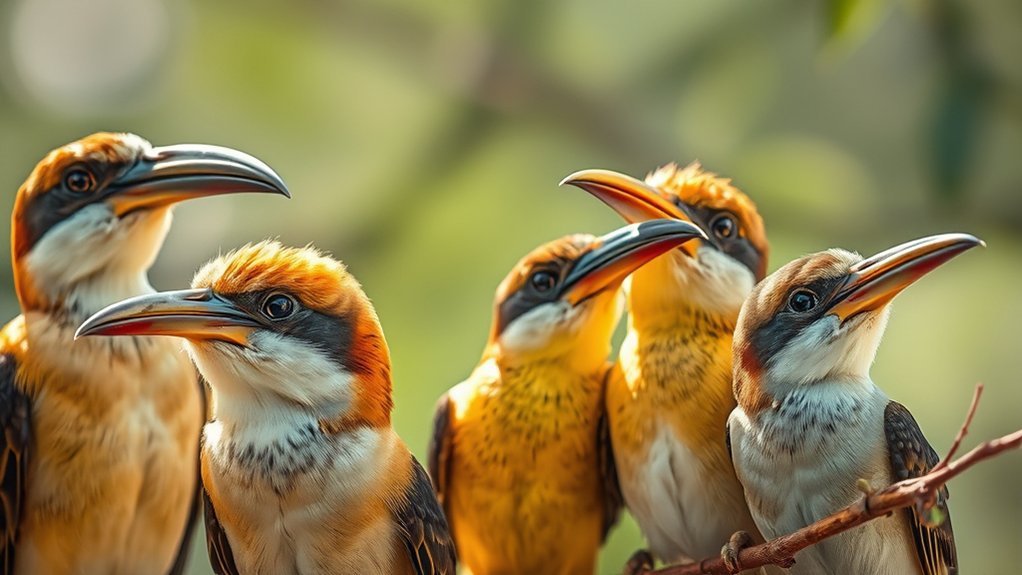
Identifying Hooked Bills: Common Species Overview
Hooked bills are special beaks that help birds eat in different ways. Birds of prey, like the American Bald Eagle and Red-tailed Hawk, have strong, curved bills. These bills help them catch and tear meat from their prey.
On the other hand, fruit-eating birds like the African Grey Parrot have curved bills too. These help them pull out seeds and pulp from fruit.
By looking at how different birds use their hooked bills, we can understand their eating habits and where they fit into nature. This knowledge also makes us think about how to help these birds survive as their homes change.
A Quick Overview
Hooked bills are curved and sharp. They help birds grip and tear food easily from different surfaces.
Some common birds with hooked bills are the American Bald Eagle, Red-tailed Hawk, and African Grey Parrot. Birds of prey, like hawks and eagles, use their strong hooked bills to catch and rip apart their prey.
Other birds, like keas and flamingos, use their hooked bills to hold and open tough fruits. Hooked bills help birds adapt to various homes and foods. This shows how different bird species have evolved over time.
Birds are fascinating creatures, and their unique bills help them survive and thrive in many environments!
Overview of Hooked Bills
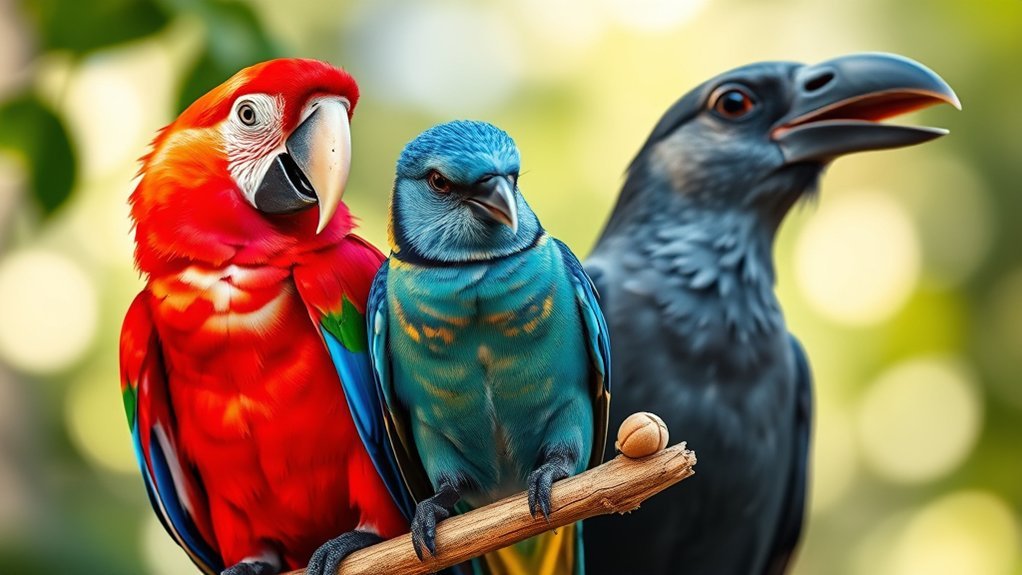
Hooked bills are interesting features found on some birds. These unique shapes help birds grab and pull food from tough surfaces, like the bark of trees or hard seeds. Birds with hooked bills are good at finding food that other birds might miss.
These special bills help birds do their job in nature. They allow birds to eat different foods and live in places where others cannot. This way, they help keep nature diverse and healthy.
When you learn about hooked bills, you're discovering a vital part of nature's balance. These bills show how birds have adapted to their environments. Understanding these adaptations can help you see how important they're in their ecosystems.
Characteristics of Hooked Bills
Hooked bills are special beaks that many bird species share. These beaks help birds eat efficiently. The beak has a curved shape with a sharp tip. This design makes it easy for birds to grip and tear their food. They can eat fruits, seeds, or even prey. This is very important for birds that have tough diets.
The size and shape of hooked bills can change depending on the bird's needs. A strong beak lets birds apply a lot of force when they eat. This is really helpful for breaking down hard food items.
These features show how hooked-bill birds are perfectly suited for their eating habits.
Birds of Prey With Hooked Bills
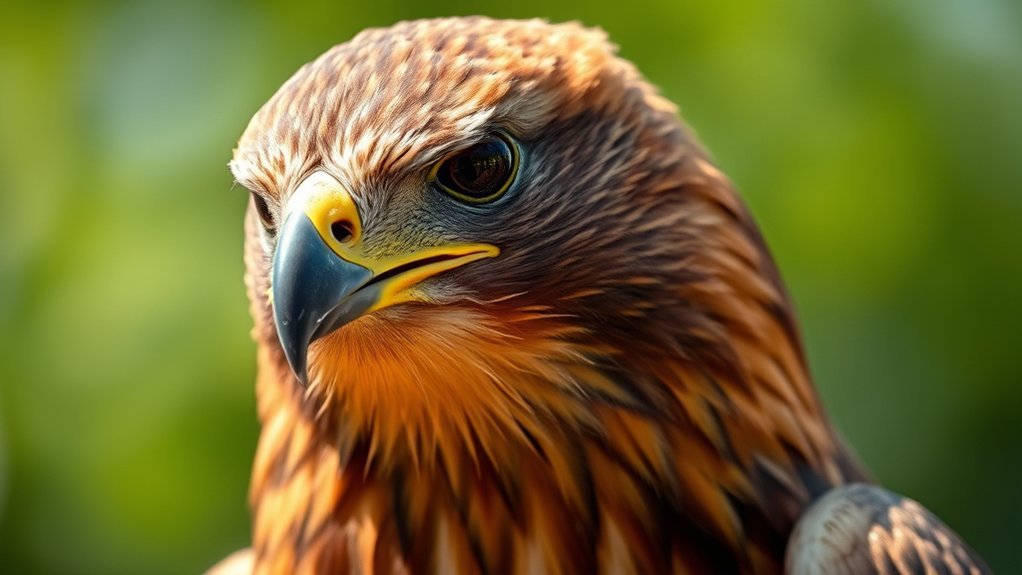
Birds of prey have special bills that are hooked, and this shape helps them hunt better. Their hooked bills let them catch and eat their food more easily. This is important for their survival.
- Curved shape: The hook lets them grab and rip apart meat, making it easier to hunt birds.
- Strong grip: Their bills can hold onto slippery animals, so they don't drop their food.
- Varied diet: With their hooked bills, they can eat many kinds of food, from small animals to other birds.
These adaptations show how these birds fit into nature and how they've changed over time to survive.
Learning about them helps us appreciate how amazing these birds are.
Fruit-Eating Birds With Hooked Bills
Many people think that birds with hooked bills are only hunters. But fruit-eating birds, like some parrots and toucans, use their hooked bills in special ways too. These birds eat different types of fruit. Their hooked bills help them hold and tear open tough fruit skins. This lets them get to the tasty insides.
These unique bills also help these birds spread seeds, which is good for growing new fruit plants. They mostly live in warm tropical and subtropical areas. By eating fruit and moving seeds, these birds support the plant life around them.
Learning about how these birds feed can help us see how important they're to their homes. They build strong connections with the plants and help make their environment rich and diverse.
The American Bald Eagle

The American Bald Eagle is a beautiful bird with a special hooked bill that helps it hunt for food.
It usually lives near big open waters, like lakes and rivers, where it can find plenty of food. Most of its meals come from fish, but it also catches small mammals and birds. The shape of its bill makes it easy to grab and tear its food, which is very important for hunting.
Bald Eagles build their nests close to water, making it easy to catch their prey. Adult Bald Eagles have a wingspan that can reach up to seven feet, which helps them soar high in the sky.
They're well-known for their excellent hunting skills, often catching fish right out of the water while flying.
Learning about the Bald Eagle and its special abilities helps us understand how important they're to nature.
They play a key role in keeping the ecosystem balanced.
The Red-tailed Hawk
The Red-tailed Hawk is a fascinating bird with big wings and sharp eyes. It has a hooked beak that helps it catch and eat its food. You can see these birds flying high in the sky over fields, forests, and even deserts.
Red-tailed Hawks are great hunters. They've good vision, which allows them to spot food from far away. When you watch them, you'll see them dive from the sky or jump down from a branch to catch their meals.
Their brown and white feathers help them blend in with their surroundings, making it easier for them to hunt.
Understanding how Red-tailed Hawks live and hunt helps us appreciate their place in the ecosystem. They're strong and smart birds that play an important role in nature.
Watching them soar and hunt is a treat for anyone who enjoys wildlife.
The African Grey Parrot
African Grey Parrots are some of the smartest birds around. They're famous for their amazing thinking skills and talking abilities. You'll be amazed by how they can mimic sounds and even understand what those sounds mean. Their intelligence is similar to that of a young child.
Here are some cool things about African Grey Parrots:
- They solve problems really well.
- They can mimic human speech really accurately.
- They form strong emotional bonds with their owners.
These traits make them more than just pets. They're true companions who enjoy being around people.
To have a good relationship with them, it's important to understand their social needs and how they communicate. By caring for their smart minds and emotional needs, you'll create a happy space for these wonderful birds.
The Kea
Kea are special parrots that live in New Zealand. They're smart and can solve problems.
You can find them in places like alpine forests and grassy areas. Keas are curious and love to play with their surroundings and other animals.
Their strong curved bills help them crack nuts, but they can also use them to move things around. This shows how clever they are.
Watching keas in their homes helps us learn about their important role in nature. By understanding keas, we can better protect the wildlife and habitats in New Zealand.
The Caribbean Flamingo
The Caribbean flamingo is a beautiful bird with bright pink feathers and a long neck. You can find them in places like shallow lagoons, mudflats, and estuaries. These areas help them show off their special feeding and social skills.
Flamingos eat by filtering tiny organisms from the water with their unique bills. They often gather in large groups and perform synchronized displays. This helps them bond with each other and have fun.
Their behavior is interesting because it shows how well they adapt to living together. Working as a team helps them find food more easily.
Next time you see these graceful birds, take a moment to enjoy how their home and actions are connected.
The Crested Caracara
Crested Caracaras are unique birds that many people find interesting. They've a striking look and are quite smart. You can often spot them in open areas like grasslands and savannas. Look for them sitting on fence posts or low trees. They like to watch their surroundings from these spots.
These birds have cool hunting skills. They eat both dead animals, called carrion, and live prey. With their strong, hooked bills, they can easily rip apart carcasses. This helps them survive in different places. Their ability to adapt shows how clever they are.
Seeing Crested Caracaras in the wild can be a fun experience. It helps you understand their important role in nature. They help keep the ecosystem balanced by cleaning up dead animals and controlling prey populations.
Next time you're outside, keep an eye out for these fascinating birds!
Conservation Status and Challenges
Crested Caracaras are amazing birds, but they face many challenges due to human actions and changes in the environment. Here are some things that hurt their survival:
- They lose their homes because of cities growing and farms expanding.
- Climate change affects their breeding and food sources.
- There aren't strong enough laws to protect their essential habitats.
By learning about these challenges, we can support important conservation efforts to help keep their numbers steady.
Working together with local communities, raising awareness, and starting breeding programs are some ways we can help. Your involvement can make a big difference for Crested Caracaras and ensure they remain a part of our ecosystem for many years to come.
Frequently Asked Questions
Are Hooked Bills Found in Both Tropical and Temperate Regions?
Yes, hooked bills live in both tropical areas and temperate zones. They adapt well to different environments. In these regions, they hunt and find food in unique ways. This makes them interesting for people to watch and learn about.
How Do Hooked Bills Aid in a Bird's Feeding Habits?
Hooked bills help birds feed better. These unique bills make it easier for birds to grab and handle their food. With hooked bills, birds can reach food that is hard to get. This helps them eat a special diet that suits their needs. It also helps them survive in different environments. Whether it's cracking seeds or pulling insects from bark, hooked bills are key to how birds find and enjoy their meals.
What Adaptations Do Hooked Bills Provide for Different Species?
Hooked bills are special types of bird beaks that help different birds find food in their homes. Each kind of hooked bill is shaped just right for its owner's eating style.
For example, some birds use their hooked bills to tear into meat. Birds like eagles and hawks have strong, sharp beaks to catch and eat prey easily. Other birds, like some parrots, use their hooked bills to crack open seeds or nuts. These beaks are perfect for reaching inside and getting to the tasty part!
These beak shapes help birds survive in various places. By being able to eat different types of food, birds can live in many different environments. This is a big win for their survival.
How Does Climate Change Impact Hooked Bill Bird Populations?
Climate change hurts hooked bill bird populations in two main ways: it causes habitat loss and adds extra stress to their lives. As their homes get smaller and food becomes harder to find, these birds change their migration routes and struggle to breed successfully. This makes it harder for them to survive in the long run.
When their living spaces shrink, they have fewer places to nest and find food. This can lead to fewer baby birds being born. Changing weather patterns also affect when they travel and breed, which can lead to more challenges.
In short, climate change is making it tough for hooked bill birds. They face new problems every year, and without help, their future could be at risk. It's important we pay attention to how we can help protect these amazing birds and their habitats.
Are There Any Known Predators of Hooked Bill Birds?
Yes, some animals hunt hooked bill birds. Larger birds, like hawks and eagles, are common predators. Snakes also pose a threat to these birds. Learning about these predators helps us understand how hooked bill birds behave. They have special skills and habits that help them stay safe in their environments.

Luna is the passionate founder and author of Birds and You, a website dedicated to sharing her love for birds with fellow enthusiasts. Through her engaging articles and guides, she aims to educate and inspire others to explore the fascinating world of birds. When she’s not writing, you can find Luna observing birds in their natural habitats or sharing beautiful bird photography on Pinterest. Join her on this journey to celebrate and protect our feathered friends!