Owls in Tennessee: What to Know
Owls in Tennessee are important for nature, but many people don't notice how special they are. You might know about Great Horned Owls and Barn Owls, but it's good to learn about how they live and what they do. As cities grow, these amazing birds face more problems. What kind of issues do they deal with? And how can you help them survive? You might be surprised by the answers!
A Quick Overview
Tennessee has many types of owls, like the Great Horned Owl and the Barn Owl. Each one is special in its own way. These owls like to live in different places, such as forests, fields, and even cities. They often build their nests in trees or old buildings.
Owls are active at night. They hunt for small animals like mice and rats. Their excellent hearing and night vision help them find food easily. You can often hear the Great Horned Owl making deep hooting sounds and the Barn Owl making strange screeches.
It's important to protect owls because they are losing their homes due to city development. Many groups in Tennessee are working hard to help save these amazing birds.
Overview of Owl Species in Tennessee
Owls are really fascinating animals, and Tennessee has many different kinds! These birds help keep our environment healthy.
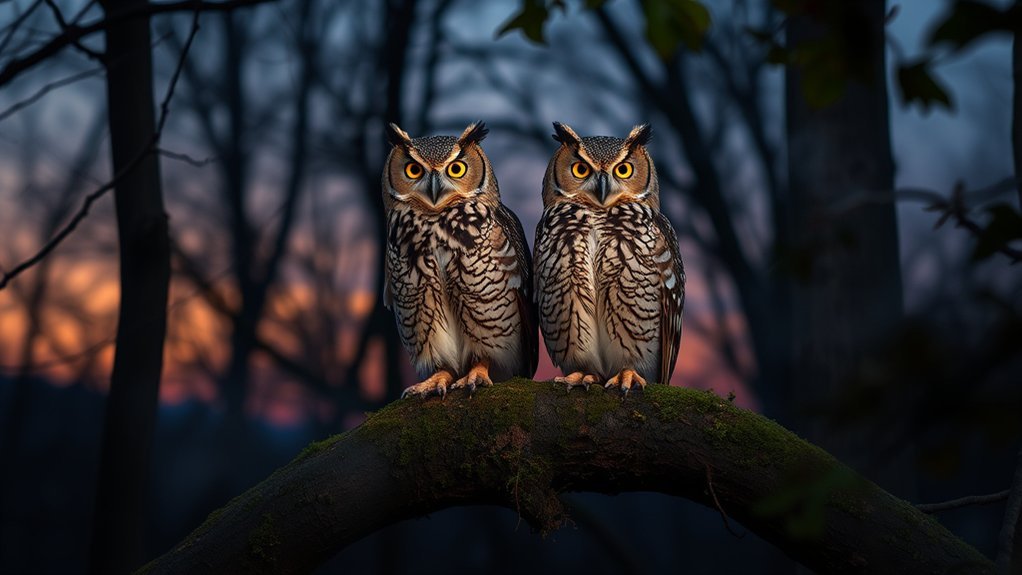
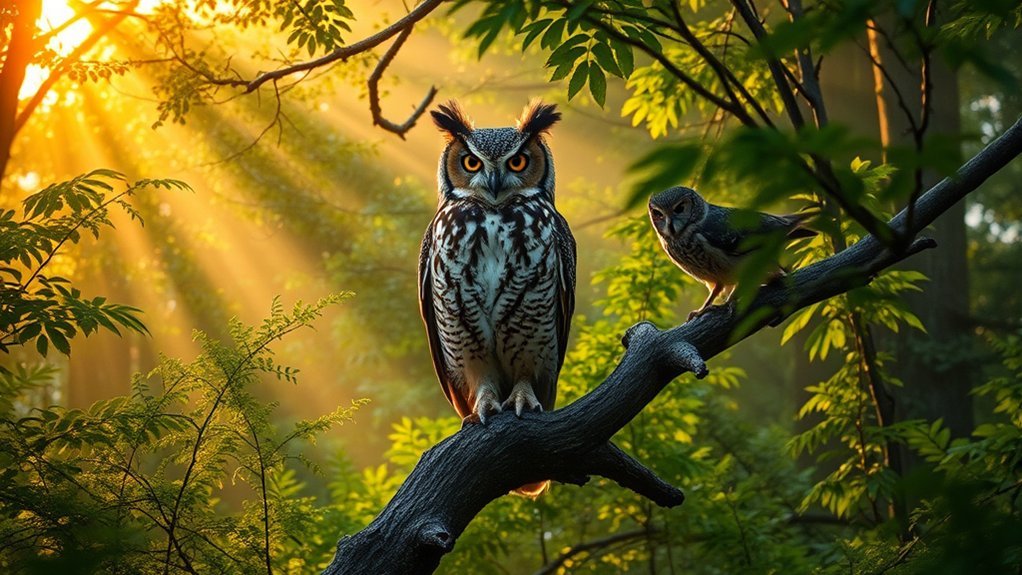
Two well-known owls in Tennessee are the Great Horned Owl and the Barn Owl. The Great Horned Owl is easy to spot because of its tall ear tufts and strong look. On the other hand, the Barn Owl has a unique heart-shaped face that helps it hear better.
Owls make special sounds to talk to each other and to mark their territory. You can hear their calls echoing in the woods and fields.
Learning about these owls can help you feel more connected to Tennessee's nature. It also shows you how important owls are to the local ecosystem.
Habitat and Nesting Preferences
Owls live in many different places in Tennessee. They can be found in thick forests, open fields, and even in cities. Knowing where they like to live can help us understand and protect them better.
Owls usually look for spots with lots of cover, such as trees or bushes, so they can easily find places to build their nests. Some owls prefer old forests, while others might choose to nest in empty buildings or on ledges in towns.
They often pick their homes based on where they can find food. When prey is nearby, owls have a better chance of raising their young successfully.
By learning about where owls thrive, you can help with their protection and support efforts to keep their habitats safe. Joining local wildlife groups can also help you learn more about these amazing birds and their homes.
Hunting Behaviors and Diet
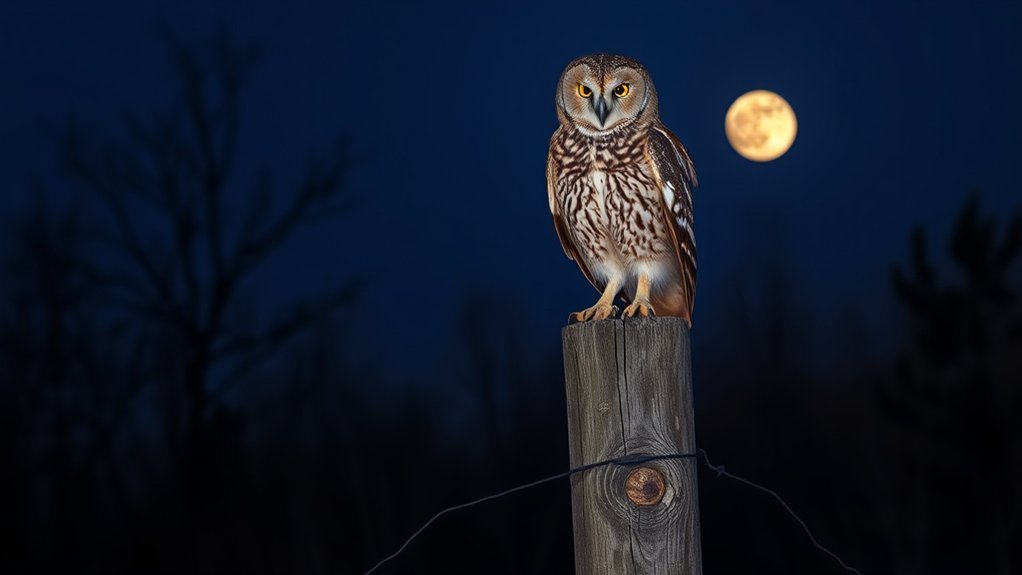
Owls are amazing hunters. They've special skills that help them catch food. One cool thing about owls is their silent flight. This means they can fly quietly and sneak up on their prey without being heard.
Owls like to eat small animals, especially rodents like mice and rats. But they don't stop there! They'll also hunt birds, insects, and sometimes even small reptiles. This shows that owls can eat a variety of things.
Their ears are very sharp. This helps them hear even the quietest sounds in the dark. Owls also have excellent night vision. They can see small movements that we might miss in low light.
Watching owls hunt is fascinating. It helps us understand their important role in nature. They keep the number of small animals in check, which helps keep the ecosystem balanced.
Identifying Common Owls
Owls are fascinating creatures, and recognizing different types of owls in Tennessee is a fun way to enjoy nature. Here are some features to help you identify them:
- Great Horned Owl: This owl has tufts that look like ears and makes loud, deep calls.
- Barn Owl: It has a heart-shaped face and light, ghostly feathers. You might hear it screeching at night.
- Eastern Screech Owl: This small owl comes in different colors. Listen for its eerie trills.
- Barred Owl: You can spot this owl by its dark feather bars. It also makes a unique call that sounds like "Who cooks for you?"
- Burrowing Owl: This owl is small and prefers to live in burrows. It has brown feathers with streaks.
Getting to know these owls can help you see the beauty of Tennessee's wildlife. Enjoy spotting them!
The Role of Owls in the Ecosystem
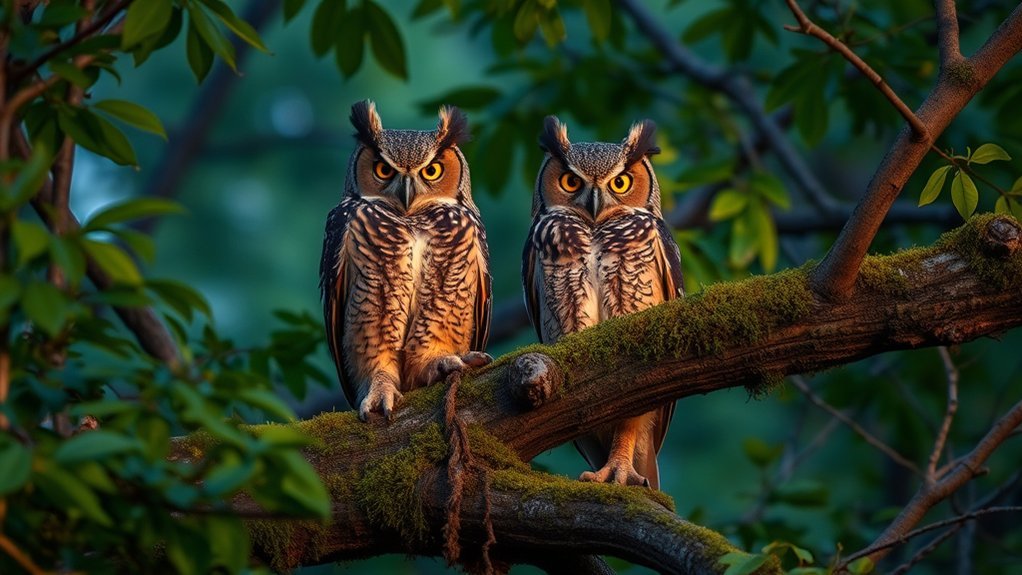
Owls are important animals in their habitats. They help keep the balance in nature by hunting small mammals, insects, and other creatures. When owls catch their prey, they help control the number of these animals. This stops overpopulation, which can hurt the environment.
By keeping these animal numbers in check, owls help make ecosystems healthier and support a variety of other living things.
In Tennessee's beautiful landscapes, owls are more than just interesting birds. They're key players in nature's web. Understanding their role helps us appreciate nature more.
It also shows why we need to protect these amazing creatures. Let's work together to ensure owls and their habitats thrive!
Tips for Spotting Owls in the Wild
Owls can be hard to spot because they blend in with their surroundings. But you can improve your chances of seeing them with some simple tips. Owls are night hunters, so plan your outings for nighttime.
Here are some easy ways to find owls in the wild:
- Pick the right spot: Look for parks or wooded areas where owls are known to live.
- Stay quiet: Move slowly and keep noise to a minimum. This way, you won't scare them away.
- Use a flashlight: A light with a red filter helps you see without disturbing the owls.
- Listen for sounds: Learn to recognize different owl calls. This will help you locate them.
- Be patient: Sit quietly for a while. Owls may come out when you least expect them.
Following these tips can make your owl watching experience more fun and successful! Enjoy your time in nature!
Conservation Efforts and Challenges
Owls are important for keeping nature balanced, but they're facing big problems. Their homes are disappearing because of urban development and deforestation. This makes it hard for owls to find safe places to nest and live.
Many groups are working hard to help owls. They're restoring habitats and protecting places where owls can thrive.
You can help too! Support local organizations that keep track of owl populations and promote safe land use.
Frequently Asked Questions
Do Owls Have Any Natural Predators in Tennessee?
Owls in Tennessee do have some natural predators. Hawks and raccoons are known to hunt owls. Even though these threats exist, it's important to think about how we can help owls.
You can get involved by learning about owls and sharing that knowledge with others. Protecting their habitats is also a great way to ensure they stay safe. When we take steps to care for owls, we help them survive against their natural enemies. Let's work together to make sure these fascinating birds stay safe and healthy in Tennessee!
What Time of Year Do Owls Primarily Mate?
Owls mainly mate from late winter to early spring. They have special ways of showing they are ready to mate. This timing helps them because it matches when food is easy to find and when the weather is nice. By mating during this season, owls can raise their young when conditions are best for them to survive.
How Can I Attract Owls to My Backyard?
To attract owls to your backyard, follow these simple steps. First, create a good home for them by planting tall trees and putting up nesting boxes. Owls like tall trees where they can perch and look for food.
Next, use some feeding tricks. Place small rodents like mice in your yard. This will draw owls in since they hunt for these animals.
With the right habitat and food, you may soon have owls visiting your backyard! Enjoy watching these beautiful birds as they fly and rest near your home.
Are There Any Myths or Superstitions About Owls?
Owls are fascinating creatures, and many cultures have stories about them. Some people think owls are symbols of wisdom. They believe that owls can see things we cannot, which makes them special.
On the other hand, some people see owls as omens of death. They think that when an owl appears, it means something sad might happen. These beliefs show how different people view owls in different ways.
Learning about these myths can help you see owls in a new light and appreciate their mystery. Owls are not just birds; they carry stories and traditions from people all over the world.
How Long Do Owls Typically Live in the Wild?
Owls in the wild usually live between 5 to 15 years. How long they live can depend on different things like their type and where they live. Their lifespan can also be affected by predators, or animals that might want to eat them. Knowing how long owls generally live helps us understand their important roles in nature.

Luna is the passionate founder and author of Birds and You, a website dedicated to sharing her love for birds with fellow enthusiasts. Through her engaging articles and guides, she aims to educate and inspire others to explore the fascinating world of birds. When she’s not writing, you can find Luna observing birds in their natural habitats or sharing beautiful bird photography on Pinterest. Join her on this journey to celebrate and protect our feathered friends!