Owls You Can Spot in Maryland: Identification Guide
When you explore Maryland's parks and forests, look for the special owls that live there. Each owl, like the small Eastern Screech Owl or the big Great Horned Owl, has unique traits and behaviors. Learning to identify these birds makes your outdoor adventures even more exciting. You can also discover interesting facts about their habits and calls. This knowledge can help you appreciate these amazing creatures even more!
A Quick Overview
Here are some owls you can spot in Maryland:
- The Eastern Screech Owl has gray or reddish-brown feathers. Listen for its trilling calls at dusk or dawn.
- The Great Horned Owl stands out with its ear tufts and bright yellow eyes. It makes deep calls at night.
- The Barred Owl can be recognized by its hooting sound. You can often find it in mature forests and swamps.
- Barn Owls have heart-shaped faces and white feathers. They usually hunt in open fields and farmlands.
- Short-eared Owls live in grasslands. They mostly hunt at dusk and like to eat voles.
Keep an eye out for these amazing birds! Each one is unique and adds to the beauty of Maryland's wildlife.
Eastern Screech Owl
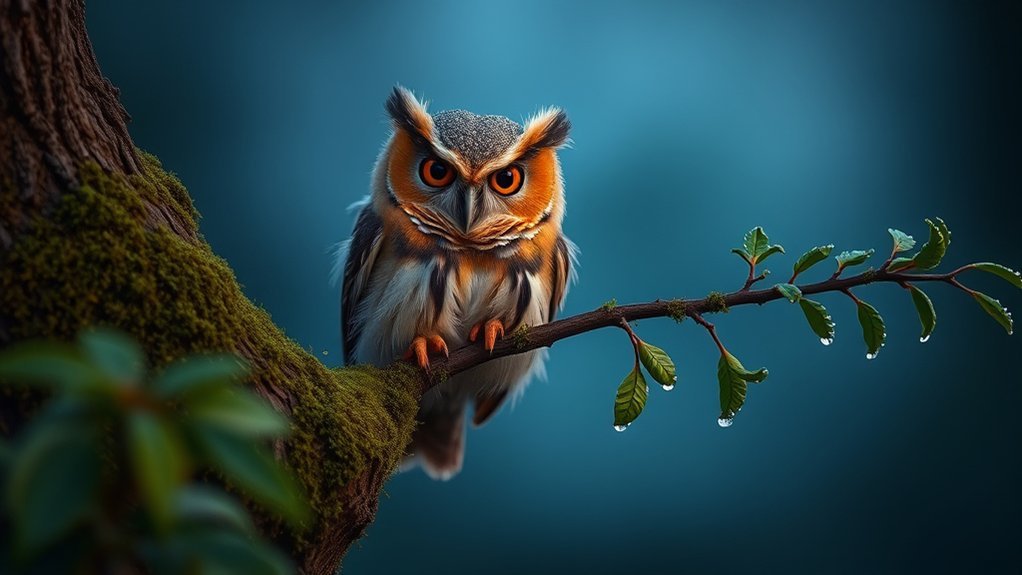
Eastern Screech Owls are small but important birds in Maryland's nature. They've gray or reddish-brown feathers that help them blend into trees.
You can find them in forests, where they often nest in tree holes or old squirrel nests.
These owls eat insects, small animals, and birds. This helps keep the number of pests down and keeps nature balanced.
To hear an Eastern Screech Owl, listen for their trilling calls at dusk or dawn.
Spotting these owls connects you to nature and shows how rich Maryland's wildlife really is.
Great Horned Owl
Great Horned Owls are strong birds found in Maryland. They've unique ear tufts and bright yellow eyes that catch your attention. You can see them in many places, like big forests and suburbs, where they've learned to live near people.
These owls are large and powerful, which helps them catch food. They usually hunt at dusk and dawn. Their meals include small mammals, birds, and even some reptiles.
When they call, their deep sounds can be heard echoing in the night. This helps them mark their territory.
Seeing Great Horned Owls can make you feel closer to nature. It reminds us of the variety of birds in Maryland and shows how important it's to protect their homes for the future.
Barred Owl
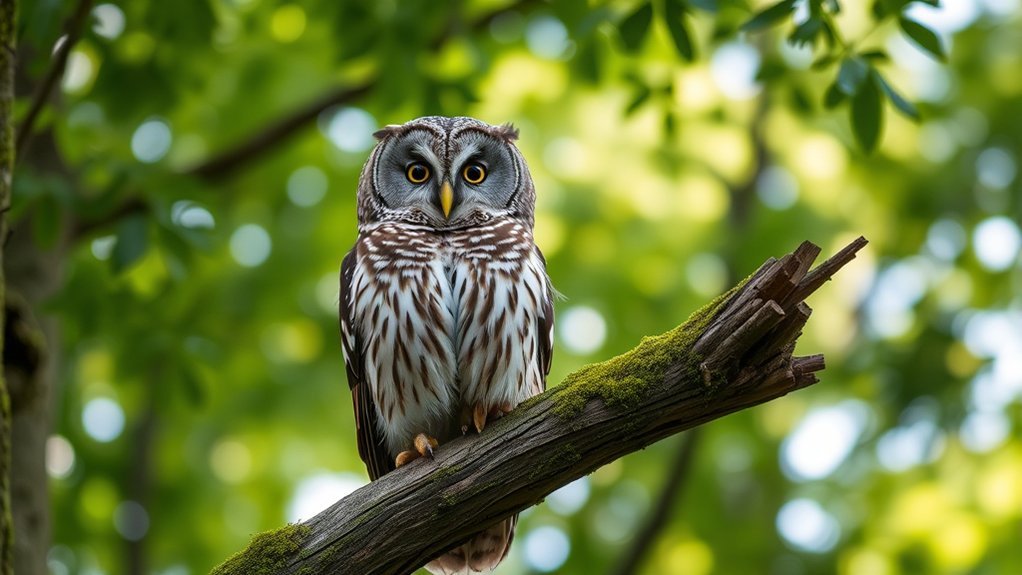
In Maryland, the Barred Owl is a special bird. It makes a cool hooting sound that you can hear in the woods.
These owls like to live in places where they can find food and build nests. They enjoy:
- Mature forests
- Swamps and wetlands
- River valleys
- Areas with lots of plants
You can easily spot them by their call, which sounds like, "Who cooks for you? Who cooks for you-all?" This call helps them talk to each other and find mates.
If you like to watch birds, listening for Barred Owls can be a fun adventure. Seeing them in the wild can make you feel closer to nature and add joy to your outdoor trips.
Barn Owl
The Barn Owl is a special bird found in Maryland. It has a unique heart-shaped face and white feathers that make it easy to spot. You can see these owls in open fields, farmland, and marshy areas because these places help them find food.
Barn Owls like to nest in old barns, tree holes, and the sides of buildings. That's why you often see them in the countryside. They're great hunters and mainly eat small animals like voles, mice, and shrews. Their amazing hearing helps them find food even at night.
Seeing a Barn Owl can be really exciting for birdwatchers. Learning about where they live and what they eat makes us appreciate them even more.
Long-eared Owl
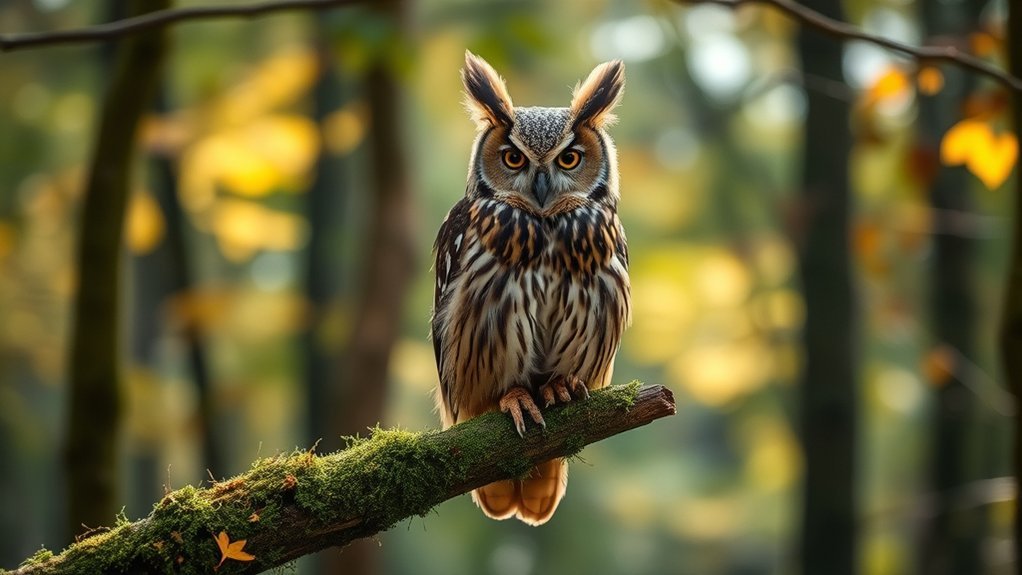
The Long-eared Owl is a really cool bird you might find in Maryland's forests. You can spot its long ear tufts and big, bright eyes if you look carefully.
They like to live in mixed woodlands, where there are lots of trees to hide in and plenty of spots to hunt.
Here are some important facts about the Long-eared Owl:
- They like to stay in dense coniferous forests.
- They usually make their nests in old tree holes.
- Their favorite food is small animals like voles and mice.
- They've very good hearing, which helps them find food in the bushes.
Learning about the Long-eared Owl can make you appreciate the wildlife in Maryland even more. Happy bird watching!
Short-eared Owl
Short-eared Owls are interesting birds you can see in Maryland's open fields and grassy areas. They've short ears and round faces.
These owls hunt mostly at dusk. You'll often see them flying low, looking for small animals like voles to eat. Voles are an important part of their diet.
Short-eared Owls like to live in wide grasslands, marshes, and even coastal areas where there's plenty of food. They migrate, so keep an eye out for them in winter.
Watching Short-eared Owls can help you connect with Maryland's wildlife. Enjoy the beauty of nature around you!
Northern Saw-whet Owl
The Northern Saw-whet Owl is small, measuring about five to seven inches tall. It's one of the tiniest owls in Maryland, which makes it exciting for birdwatchers to find. You can often see these owls in forests filled with pine trees or in mixed woods since that's where they like to live.
Their calls sound like a saw sharpening, which can help you find them. Here are some important facts about this special owl:
- They've brown and white feathers that help them blend in with their surroundings.
- They're mainly active at night and hunt small animals like mice.
- Their calls are made up of high-pitched sounds that are very whistly.
- Some Northern Saw-whet Owls migrate and can travel long distances.
Burrowing Owl
The Burrowing Owl is a special kind of owl that likes to live in the ground. Unlike most owls, which stay in trees, this little owl prefers open spaces like grasslands and deserts. You can often find it resting in abandoned burrows made by prairie dogs or tortoises.
What makes the Burrowing Owl even more interesting is that it's active during the day. While many owls hunt at night, this one hunts for insects, small animals, and even scorpions when the sun is up.
Burrowing Owls are also social. They like to live in groups, creating a fun community.
Learning about the Burrowing Owl gives us a glimpse into how different animals adapt to their homes. They're a unique part of the ecosystem.
Frequently Asked Questions
What Time of Year Are Owls Most Active in Maryland?
In Maryland, owls are most active during their breeding season. This usually happens from late winter to early spring. Since owls are night animals, you're more likely to see them at night. So, if you want to spot an owl, go out after dark during this time of year!
Are Any Owls in Maryland Endangered or Threatened?
Yes, some owls in Maryland, like the Northern Spotted Owl, are in danger. These birds need our help. People are working hard to protect their homes and make sure they stay safe. This way, we can keep these beautiful owls in our world and help nature thrive!
How Can I Attract Owls to My Backyard?
If you want to attract owls to your backyard, here are some simple tips. First, create places for owls to nest. You can do this by putting up nesting boxes. Next, plant native trees. These trees provide cover and food for the owls. Also, try not to use pesticides. This helps keep the area safe for owls and their food sources. By following these steps, you can make your backyard a nice home for owls. Enjoy watching these amazing birds!
What Do Maryland Owls Eat and Hunt?
In Maryland, owls eat small animals like mice, birds, and insects. They hunt these animals using their ability to fly quietly and hear well. This helps them find food even in different places. Owls adapt to their surroundings and catch what is available, which helps them stay healthy and strong.
Do Owls Migrate, or Are They Year-Round Residents?
Owls have different ways of living. Some owls stay in the same place all year. These are called year-round residents. Other owls move around to find food or good places to nest. This means they follow the seasons. Learning about these owl behaviors helps us appreciate how they adapt to different environments. Each owl finds a way to live and thrive in its surroundings.

Luna is the passionate founder and author of Birds and You, a website dedicated to sharing her love for birds with fellow enthusiasts. Through her engaging articles and guides, she aims to educate and inspire others to explore the fascinating world of birds. When she’s not writing, you can find Luna observing birds in their natural habitats or sharing beautiful bird photography on Pinterest. Join her on this journey to celebrate and protect our feathered friends!