
Owls You Can Spot in Minnesota
When you explore the different habitats in Minnesota, you can find many owl species. Each type of owl lives in special places and has unique skills. The Great Horned Owl is a strong hunter and can be seen in many areas. The Barred Owl is famous for its interesting sounds and looks. Learning about how these owls behave and where they live makes it more exciting to spot them.
But wait, what other owls can you find in Minnesota's forests and fields? There are more species to discover, and they all have their own special traits! It's fun to learn about these amazing birds and their homes.
A Quick Overview
Here are some owls you can see in Minnesota:
- The Great Horned Owl lives in many places like forests and towns. It likes to hunt for rodents and rabbits.
- Barred Owls have unique calls. They stay in forests and swamps and quietly hunt for small animals.
- Eastern Screech Owls are small and found in wooded areas. You can recognize them by their sounds and where they nest in tree holes.
- Barn Owls have heart-shaped faces. They like to nest in old buildings and often hunt early in the morning or at dusk.
- Snowy Owls are easy to spot in winter because of their bright white feathers. They mostly hunt lemmings in open areas like fields.
These owls add beauty to Minnesota's nature. Keep an eye out for them next time you're outdoors!
Great Horned Owl

The Great Horned Owl is a strong hunter found in Minnesota.
These owls can live in many places, like deep forests or busy towns. You can often see them resting on tall trees. They've great eyesight and ears that help them spot animals to eat.
Great Horned Owls like to hunt. They mostly catch rodents, rabbits, and even some small birds. This makes them important for keeping nature balanced.
They usually hunt in open areas where they can see movement easily.
In Minnesota, these owls help control animal populations. It's great to see them around. They remind us to take care of nature and protect these amazing birds.
Barred Owl

Barred Owls are an important part of Minnesota's birdlife. They look different from Great Horned Owls. Barred Owls have striped feathers and round faces. They can live in forests and swamps, where they find food easily.
These owls like to hunt small animals and birds. They're very quiet when they hunt, especially in low light. Their calls are unique and can be heard at night. They sound like they're asking, "Who cooks for you?" This helps them mark their territory and find mates.
If you watch for Barred Owls on your next trip outside, you'll see interesting hunting actions and hear their special calls.
It's a great way to connect with nature and understand the wildlife in Minnesota better. Enjoy spotting a Barred Owl in the wild!
Eastern Screech Owl
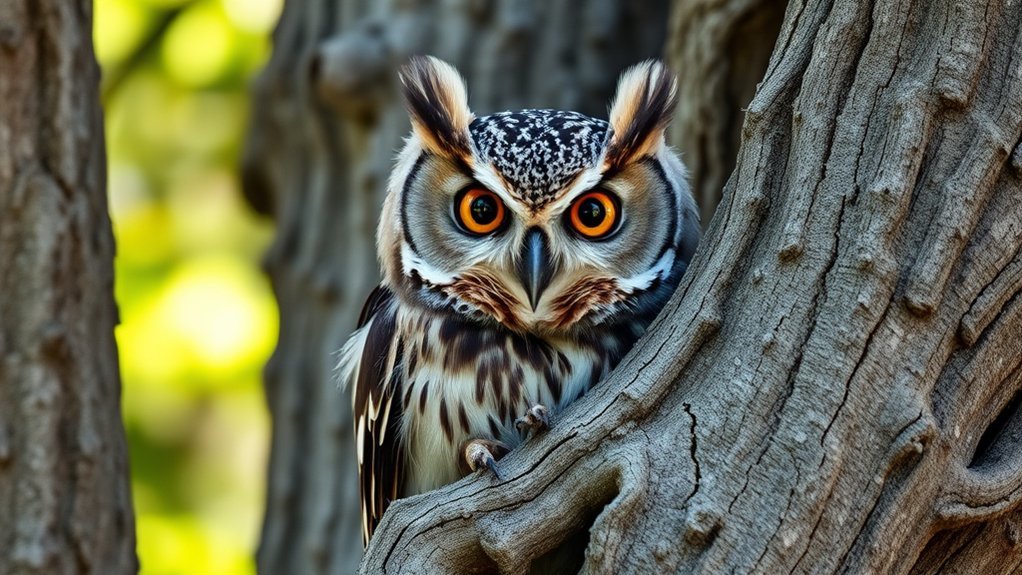
The Eastern Screech Owl is a small and interesting bird found in Minnesota. These owls like to live in places with trees, like woodlands, parks, and even suburban areas.
They often make their homes in tree cavities or artificial nesting boxes.
To spot an Eastern Screech Owl, know where they like to hang out. Listen for their unique sounds, which include trills and whinnies. Each owl has its own voice, and these sounds help them communicate and mark their territory.
Barn Owl
The Barn Owl is one of the most interesting owls in Minnesota. It has a heart-shaped face and can fly very quietly. You can usually find Barn Owls in the countryside. They love to nest in barns and old buildings.
Barn Owls like to hunt when the sun is setting or rising. They've super hearing that helps them find small animals to eat. When you spot a Barn Owl, watch how smoothly it flies through the air. This helps it sneak up on its food.
Learning about Barn Owls can help you connect more with nature. It's a fun way to discover more about the wildlife in Minnesota. Keep an eye out for these amazing birds!
Snowy Owl
The Snowy Owl is a bird you can easily spot in Minnesota during winter. It has bright white feathers and big yellow eyes that make it stand out in the snow. You can often see these owls in open places like fields and tundras. They like these areas because they've a lot of space to hunt for food.
Snowy Owls mainly eat small animals, especially lemmings. They're good at adjusting what they eat depending on what's available in their surroundings. This skill helps them survive in very cold places.
When you see a Snowy Owl, watch how it behaves. Notice how it hunts or sits on a perch. This can teach you more about how it finds food and its role in nature.
Learning about these amazing birds can help you appreciate Minnesota's wildlife even more.
Northern Saw-whet Owl
The Northern Saw-whet Owl is a small but powerful bird that lives in Minnesota's thick forests. This tiny owl has a round face and big yellow eyes. It mainly eats small mammals like mice, and sometimes it catches birds too. You can often see it sitting quietly, listening for sounds around it. This shows off how good it's at hunting.
In winter, the Northern Saw-whet Owl migrates south to find food. It goes where there are more things to eat when the weather gets cold.
Learning about their behaviors can help you understand and appreciate these amazing birds better. You might even want to join a local birdwatching group. This way, you can share tips and stories about spotting these hard-to-find owls.
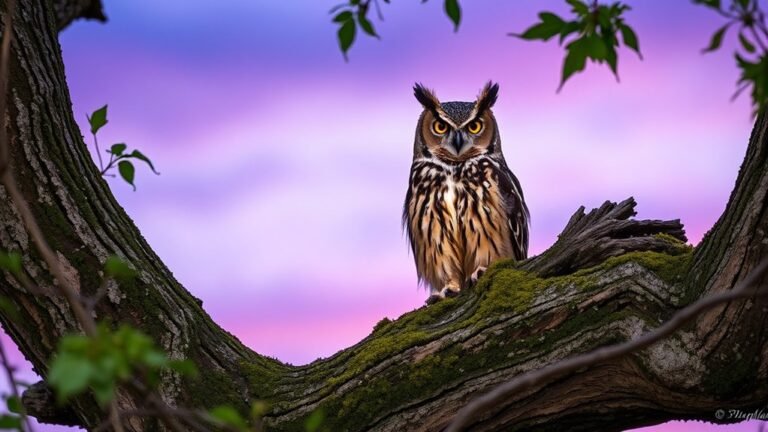
Long-eared Owl
The Long-eared Owl is a unique bird found in Minnesota. It has large ear tufts and bright orange eyes, which make it easy to recognize. This owl likes to live in thick forests made up of pine and other trees, often close to open fields. It blends in well with its surroundings, making it hard to spot.
The Long-eared Owl hunts mostly at night. It uses its great hearing to find food, mostly small animals like voles. When hunting, it sits quietly on a branch and waits for the perfect moment to dive down and catch its meal.
Seeing a Long-eared Owl can be a special part of enjoying Minnesota's nature. It connects you to the environment where these amazing birds live. Watching them can be a fun and exciting experience!
Short-eared Owl
Four unique traits make the Short-eared Owl an interesting bird in Minnesota. This owl likes open spaces, such as fields and marshes, where it can hunt easily.
It has special hunting skills. The owl flies low over the ground and uses its sharp eyesight to find small animals, like voles. It can glide quietly, which helps it swoop down quickly to catch its prey.
During migration seasons, you can see these owls flying around at dusk, which is when they hunt the most.
Watching them in the wild can help you feel more connected to nature. It's a great way to share a love for these amazing birds with others who care about protecting them.
Burrowing Owl
The Burrowing Owl is a cool bird you can find in Minnesota. This owl is unique because it digs its own home. Instead of living in trees like most owls, it likes to use old tunnels made by rodents.
Let's learn more about where these owls like to live:
- They enjoy open grasslands and prairies. These areas help them see any predators that might be around.
- They prefer places with little plants, which makes it easier for them to hunt.
- You can often see them near farms, where there's a lot of food for them to catch.
Burrowing Owls are small and are active during the day. They're fun to watch because of their bright yellow eyes and long legs.
These owls show how strong animals can be, even when their homes are disappearing. They really represent the wonderful wildlife found in Minnesota.
Great Gray Owl
The Great Gray Owl is big and has a wide wingspan, making it stand out in the forests of Minnesota. This owl likes to live in thick coniferous forests that also have open fields for hunting.
You can find them perched quietly in trees, using their sharp hearing to find their food. They swoop down quickly to catch mice and other small animals.
The owl's round face helps it hear better, making its hunting very precise. Its beautiful gray feathers blend in well with the forest, which is a great way to stay hidden.
Watching these amazing owls in their natural home helps us feel closer to nature. It also reminds us how important it's to protect their homes from climate change.
Northern Pygmy Owl
The Northern Pygmy Owl is a small and lively bird that brings a delightful twist to the owl family. Unlike the much larger Great Gray Owl, this little hunter is easy to spot in Minnesota's forests.
You can find them in:
- Coniferous forests: They love thick trees that give them good hiding spots.
- Daytime activity: They're active during the day, which is different from most owls. This makes them fun to watch!
- Unique calls: Their special sounds catch people's attention, making birdwatchers curious to see them.
Nature lovers are often mesmerized by the Northern Pygmy Owl. Keep your eyes peeled—it's hard not to smile when you see this charming little bird!
Spotted Owl
The Spotted Owl is a unique bird that many people find interesting. While it isn't very common in Minnesota, it has special features that attract researchers and bird lovers. This owl usually lives in old forests with tall trees. These trees provide good places for the owl to nest and hunt.
If you watch the Spotted Owl, you'll hear its calls. The owl uses these sounds to mark its territory and court a mate. This shows that it has a social life too. Spotted Owls are mainly active at night. They hunt small animals and birds during the evening.
The Spotted Owl needs specific kinds of forests to thrive. Because of this, it's sensitive to changes in its environment. Learning about the Spotted Owl can help you appreciate its role in nature.
It also highlights the importance of protecting its habitat. By working together, communities can help keep these beautiful owls safe.
Owling Tips for Beginners
If you like Spotted Owls, you might want to try owling. Owling is when you look for and watch owls in their homes.
Here are some simple tips to make your experience better:
- Find good spots: Look for places where owls like to hang out, like forests and wetlands.
- Be quiet: Keep your voice down and avoid loud noises. This helps the owls feel safe.
- Bring good equipment: Use binoculars to see owls better. A red light flashlight is also handy, as it won't disturb the owls.
Enjoy your owling adventure! It's fun to spot these amazing birds in the wild.
Frequently Asked Questions
What Time of Year Is Best for Owl Spotting in Minnesota?
The best time to spot owls in Minnesota is late winter to early spring. During this time, owls are very active. They call out and mark their territories. This makes them easier to find.
If you want to see owls, get outside and listen for their sounds. Look for them in wooded areas or near open fields. Happy owl spotting!
Are Owls in Minnesota Active During the Day or Night?
In Minnesota, owls mostly come out at night. They like to hunt for food and be active after the sun goes down. Some kinds of owls might be awake a little during the day, but you will usually see them awake and flying around in the dark. They are fascinating birds that are best known for their nighttime activities. So, if you want to see owls, try looking for them after sunset!
How Can I Identify Owl Calls in Minnesota?
To identify owl calls in Minnesota, listen closely to the sounds they make. Each owl species has its own unique call, and you can learn to recognize these patterns and tones.
Try recording the calls you hear. This will help you compare different sounds later. By doing this, you'll start to understand your local owls better. Connecting with these fascinating creatures can be exciting. Enjoy listening and learning about their calls!
Do Owls in Minnesota Migrate or Stay Year-Round?
In Minnesota, some owls move to warmer places when the weather gets cold. Other owls choose to stay in Minnesota all year long. These choices depend on their habits and what they need to survive.
Learning about these owl behaviors helps us see how adaptable they are. It also shows us the important roles they play in nature. When we understand owls better, we can feel more connected to the outdoors and enjoy watching these amazing birds.
What Habitats Do Minnesota Owls Prefer for Nesting?
Owls in Minnesota like to make their homes in thick forests, open woodlands, and wetlands. These places give them the shelter and safety they need to raise their young.
When we help protect these habitats, we make sure that owls have good spots to live and grow. It's important to keep these areas safe so owls can thrive and continue to be part of our beautiful landscapes. By caring for their homes, we also show love for nature. Let's all do our part to help!

Luna is the passionate founder and author of Birds and You, a website dedicated to sharing her love for birds with fellow enthusiasts. Through her engaging articles and guides, she aims to educate and inspire others to explore the fascinating world of birds. When she’s not writing, you can find Luna observing birds in their natural habitats or sharing beautiful bird photography on Pinterest. Join her on this journey to celebrate and protect our feathered friends!