
Small Gray Birds With White Bellies: a Comprehensive Guide
When you see small gray birds with white bellies, pay attention to their pretty colors and fun social habits. Birds like the Black-capped Chickadee and Tufted Titmouse have interesting ways of finding food that show how they adapt to their homes. Knowing what they look like and where they live can make birdwatching even more enjoyable.
These birds have exciting lives filled with charming behaviors. But they also face problems today that we should be aware of. Learning about their habits and the challenges they encounter helps us appreciate these little birds and the role they play in nature. There's always more to learn about them, so keep watching and enjoying the wonders of the bird world!
A Quick Overview
Small gray birds with white bellies, like the Black-capped Chickadee and Tufted Titmouse, are easy to spot. They have unique colors and interesting behaviors that make them fun to watch.
These birds are great at finding food. They use their sharp eyes to search for insects, seeds, and berries. They use different ways to hunt for food, which is fascinating to see.
Socializing is important to these birds. They like to form flocks to stay safe. They also show off to each other during mating season, and they have pecking orders to share food and space.
Birdwatching can help you appreciate nature. It allows you to watch their behaviors closely and meet other bird lovers. Connecting with others can make your experience even better.
You can find plenty of resources online, like photography websites and bird guides. These tools can help you learn more and make birdwatching even more enjoyable.
Overview of Small Gray Birds With White Bellies

Small gray birds with white bellies are fascinating to many people, from new birdwatchers to experienced ones. These birds have special ways of finding food that help them survive. They look for food in different places and use clever tricks to spot it quickly.
You might notice that these birds blend in with their surroundings. This is important because it helps them stay safe from predators. They often stay quiet or use their voices to communicate. Some sing sweet songs, while others make sharp sounds. These calls help them find mates or warn each other about danger.
Learning about these birds can make your birdwatching experience even better. It can also help you connect with others who love nature and birds just like you.
Enjoy watching these charming little birds!
Key Identifying Features
To identify small gray birds with white bellies, look for some key features. These details will help you connect better with nature.
Here's what to pay attention to:
- Plumage Patterns: Check for differences in color and texture on their feathers. These changes can help you tell different species apart.
- Bill Shape: Notice the size and shape of their bills. Different birds have different bills based on what they like to eat.
- Bird Calls: Listen carefully to their sounds. Small changes in their calls can help you identify specific birds.
Common Species and Their Characteristics

Many small gray birds live in different places, and each one has its special traits that make them fun to watch. For example, the Black-capped Chickadee has a black cap on its head and a happy song. You can often see it in mixed forests.
The Tufted Titmouse has a little tuft of feathers on its head and loves to be around people. This bird is commonly found in gardens and parks.
The House Finch is good at living in cities. It has a streaky gray body and is very lively.
Identifying these birds helps you appreciate their behaviors. By watching them in their habitats, you can see how they interact with their environment. This will help you feel more connected to these birds and enjoy being part of the birdwatching community.
Distribution and Habitat Preferences
Knowing where small gray birds live can make birdwatching more fun. These birds can be found in many places. They like spots that are close to people.
- Wooded areas give them shelter and places to build nests.
- Urban parks have plenty of food options and safe spots to rest.
- Grasslands are great for finding food and hanging out with other birds.
When you look for these birds, remember they like to stay near human activity.
Happy birdwatching!
Feeding Habits and Diet

Small gray birds come in many types, but they often eat similar foods based on where they live and what's available.
These birds use different ways to find food. Some look for food on the ground, while others search in tree branches. The season changes what they eat. In spring and summer, they might eat bugs and berries. When autumn and winter come, they switch to seeds and nuts.
These birds have sharp eyesight, helping them find food easily. They also like to be social, which can help them find food together.
Learning about what these birds like to eat can make birdwatching more fun. It can help you appreciate the nature around you even more.
Behavior and Social Structure
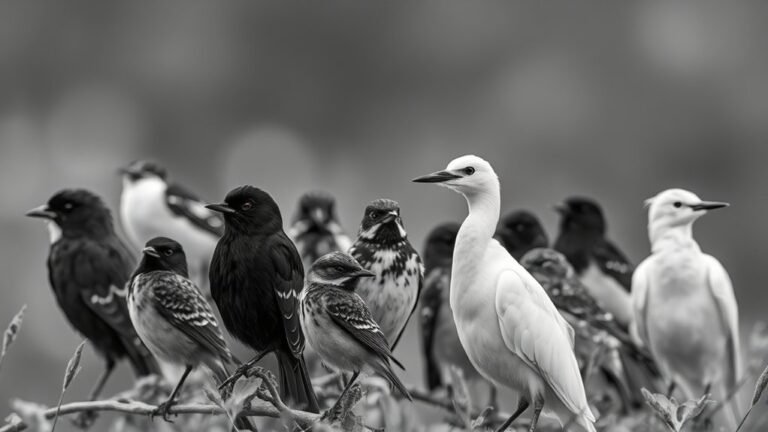
Small gray birds have interesting social lives that help them survive every day. They often hang out in groups called flocks, which makes them feel safe and supported.
These birds perform special dances during mating season. These dances help them find partners and make strong connections with each other.
Sometimes, they show aggression to establish a pecking order. This helps them share resources like food and nesting spots.
These social activities help small gray birds live well. When you learn about their behavior, you can feel more connected to them and appreciate their lively world.
Breeding Habits and Nesting
When breeding season comes, small gray birds show interesting nesting habits. The male birds perform mating dances and sing to attract females. They often pick hidden spots to build their nests. This helps keep their eggs safe.
These birds carefully choose materials for their nests. They collect twigs, grasses, and feathers to create warm and secure homes. Sometimes, they even use items made by humans.
Watching them build their nests is a wonderful way to appreciate their skill and connection to nature.
Migration Patterns
As the seasons change, small gray birds start their amazing migration journeys. They fly long distances to find safer places and stay alive.
- You can see how strong they're when facing bad weather.
- Their trips show hope and new beginnings with each change of season.
- Watching them come back helps create a sense of togetherness and community.
When you learn about their migration patterns, you can see how determined these birds are. Each migration is about their survival and also about the cycle of nature.
Pay close attention and look forward to their return, because every journey tells a story just waiting to be shared.
Role in the Ecosystem
Small gray birds play important roles in nature. They help plants by pollinating flowers. When they visit flowers, they help plants make seeds. This keeps plant types varied and provides food for other animals.
These birds also eat fruits and seeds. As they move around, they drop seeds in new places. This helps plants grow in different areas and supports forests getting back on their feet.
Understanding these roles makes us appreciate nature more. Every animal, no matter how small, is key to keeping the ecosystem balanced.
Conservation Status
Many small gray birds around the world need help. Their survival is in trouble. We must work hard to protect them and their homes.
Here are some big problems they face:
- They lose their homes because people are building new cities and roads.
- Climate change makes it hard for them to find food and safe places to live when they migrate.
- They've to deal with new animals from other places that eat them or take their food.
We can help these birds by making sure they've safe places to live and by taking care of the environment. Let's work together to protect them!
Birdwatching Tips and Techniques
Birdwatching is a fun hobby, especially when looking for small gray birds. Here are some easy tips to make your birdwatching better.
First, get some good gear. Binoculars with 8x to 10x zoom work great for seeing birds up close. Next, find a field guide for birds in your area. It will help you learn about different birds and where they live.
Try to go birdwatching early in the morning. Many birds are active then, which makes it easier to see them.
Be patient and quiet. Listen to the sounds around you. This can lead you to new bird discoveries.
Lastly, talk to other birdwatchers. Share your stories and learn from them. This can make your birdwatching adventures even more exciting!
Happy birdwatching!
Fun Facts About Small Gray Birds
Have you ever thought about why small gray birds catch the eye of birdwatchers? They're charming and interesting.
Here are some fun facts about them:
- Lovely bird songs: Many small gray birds sing beautiful tunes. Their songs can lift your mood and help you feel connected to nature.
- Smart nest building: These birds are great at making nests. They use their skills and creativity to build homes for their babies.
- Various habitats: You can find small gray birds in many places, like city parks and thick forests. They're everywhere!
Watching these birds can help you enjoy nature more and connect with others who love birdwatching.
Resources for Further Reading
If you like small gray birds, there's a lot more to discover about them! Learning more can make your birdwatching even more fun.
Start with bird photography. Look for websites and books that show these birds in beautiful pictures. They often explain what the birds do and where they live, which helps you see things better when you watch them.
You can also find guides that compare different bird species. These guides show tiny differences between similar birds. This way, you can understand and enjoy them even more.
Joining online birdwatching groups or local clubs is another great idea. You can talk to other bird lovers, share stories, and learn from each other.
With these resources, you won't just see small gray birds; you'll truly enjoy and understand their world better!
Frequently Asked Questions
What Are Some Common Predators of Small Gray Birds With White Bellies?
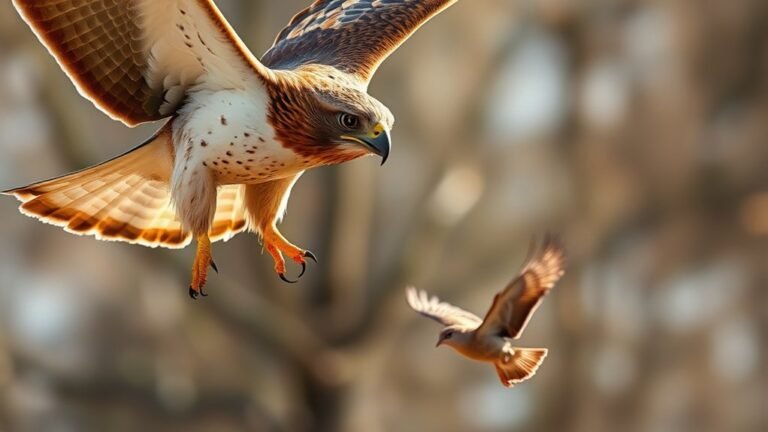
Small gray birds with white bellies face many predators. Hawks fly high and spot these birds from above. They swoop down quickly to catch their meals. Cats also hunt these birds stealthily, creeping up close before pouncing.
Snakes can be sneaky too. They often hide and wait near nests. When the birds aren't looking, snakes can strike and take eggs or chicks.
Understanding these predators helps us see how all animals fit into nature. Each has its role, making the circle of life interesting and complex.
How Do Small Gray Birds Communicate With Each Other?
Small gray birds use different sounds to talk to each other. They make calls to mark their territory, find a mate, or warn others about danger. These sounds help them connect with each other and show how they work together as a group. Watching them communicate can be really fun!
What Threats Do Small Gray Birds Face in Urban Environments?
In cities, small gray birds face big problems. One main issue is habitat loss. Buildings and roads take away spaces where these birds can live. Another problem is food scarcity. Pollution makes it hard for them to find safe food to eat. These challenges can make it tough for gray birds to survive and thrive in our neighborhoods. We can help by keeping our parks clean and planting more trees to give them places to live and find food.
How Can I Attract Small Gray Birds to My Backyard?
To attract small gray birds to your backyard, start with the right bird seeds. Sunflower seeds and millet are great choices. Put bird feeders near bushes or trees. This gives the birds a place to hide and feel safe.
Choose quiet spots for the feeders, away from noise and movement. Make sure to refill the feeders regularly. With steady feeding and good placement, you'll make your yard a cozy spot for these birds. Soon, you'll see them visiting often!
Are Small Gray Birds Migratory or Non-Migratory Species?
Small gray birds have different ways of migrating. Many of them fly to warmer places when the weather gets cold. They do this to find better food and a nicer home. Watching them migrate can help you feel closer to nature right in your own backyard. It's fun to notice how their habits change with the seasons!

Luna is the passionate founder and author of Birds and You, a website dedicated to sharing her love for birds with fellow enthusiasts. Through her engaging articles and guides, she aims to educate and inspire others to explore the fascinating world of birds. When she’s not writing, you can find Luna observing birds in their natural habitats or sharing beautiful bird photography on Pinterest. Join her on this journey to celebrate and protect our feathered friends!