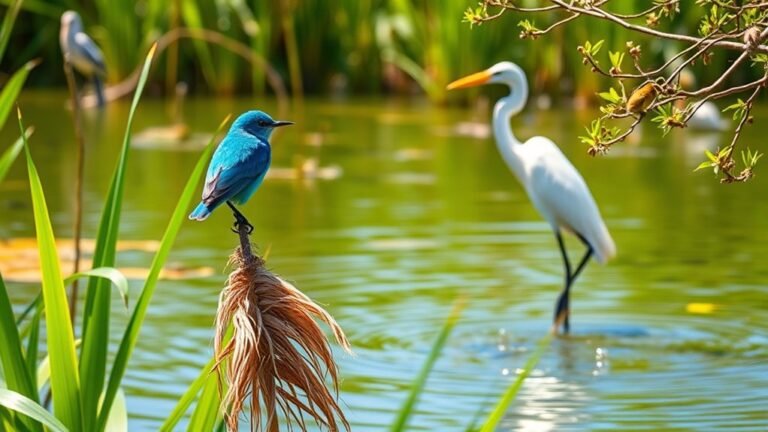

Swan Vs Goose: Key Differences Explained
Swans and geese look different, but the differences can be easy to spot. Swans are usually bigger and have long necks, while geese are smaller with shorter necks. Swans often have pure white feathers, but geese come in different colors, like gray or brown.
You can see swans gliding smoothly on lakes, which makes them look elegant. In contrast, geese like to search for food in fields or near water. They are often seen walking in groups, honking as they go.
Each type of bird has its own special way of living and fits into its habitat nicely. Learning these differences can help us understand how these birds live and work together in nature. What else do you think is interesting about swans and geese?
A Quick Overview
Swans are big birds with long necks and pretty feathers. Geese are smaller and usually have dull brown or gray colors.
Swans like to stay in smaller family groups. They find one mate and stick together for life. Geese, on the other hand, travel in bigger groups. They help take care of the young ones, but they don't stay with one mate forever.
When it comes to homes, swans love large lakes and rivers. Geese prefer wetlands and grassy fields because it's easier to find food there.
Swans eat mostly plants from the water. They use their long necks to reach these plants. Geese eat grass and grains found on land because they have strong beaks for nibbling.
Sounds are different too. Swans make soft honking and trumpeting sounds. Geese have loud, sharp honks, especially when they are with their groups or flying.
So, swans and geese may look similar, but they have their own unique ways of living and behaving.
Physical Characteristics: Size and Appearance

When you look at swans and geese, you can see some clear differences that help you tell them apart. Swans are usually bigger than geese. They've long necks and larger bodies, while geese have a stockier shape, making them look shorter and sturdier.
Swans also have more colorful feathers. For example, a mute swan is often pure white, and a black swan has a mix of black and white colors.
On the other hand, geese usually have more muted colors like browns and grays, giving them a more natural, earthy look.
These differences in size and color help birdwatchers identify swans and geese easily.
Plus, both types of birds have their own unique beauty, which many nature lovers appreciate. Whether you see a graceful swan or a lively goose, each adds charm to our natural world!
Behavior and Social Structure
Swans and geese may live in the same places and do some similar things, but they act very differently with each other.
Swans like to stay in smaller family groups. They form strong bonds with their partners and often stay together for life. Both mom and dad swans work together to care for their young.
On the other hand, geese prefer to live in larger groups called flocks. These flocks help them make decisions together and stay safe. While both adult geese help take care of their babies, they aren't as focused on staying with one partner for life.
Seeing how swans and geese behave helps us appreciate their different ways of living.
Whether they're taking care of their small families or hanging out in big flocks, both types of birds show how they adapt to their homes.
Habitat Preferences
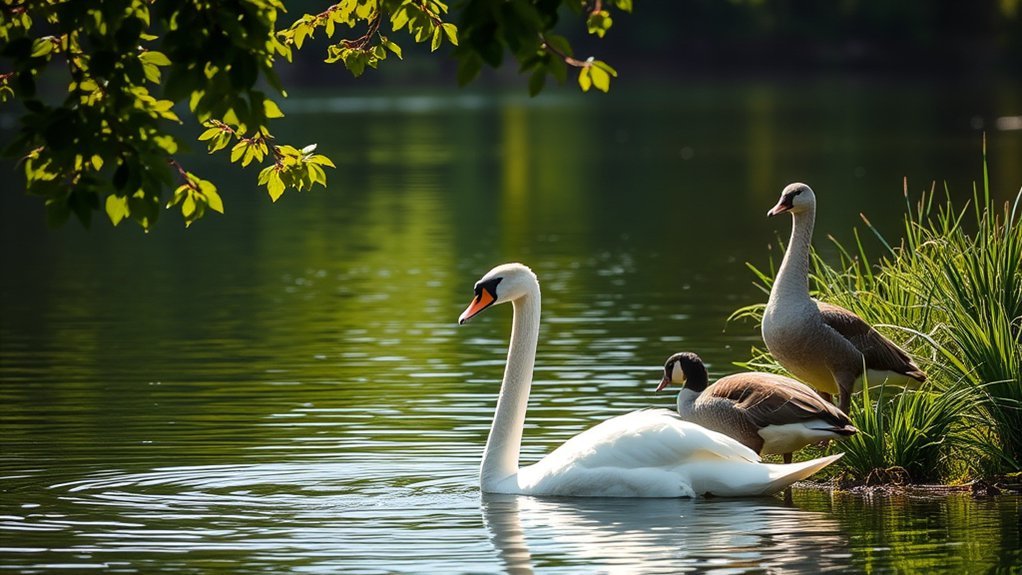
Swans and geese live in the same areas, but they like different types of homes. Swans usually choose big lakes and rivers. They enjoy gliding on the water and need space to raise their young.
Geese, on the other hand, like a mix of places. They often hang out in wetlands and grassy fields where it's easy for them to eat.
When swans migrate, they travel far. They go back to the same lakes that are good for nesting.
Geese have shorter trips. They often build their nests near farms or cities where there's plenty of food.
Knowing where these birds like to live can help you appreciate them more and connect with the environments they need to thrive.
Feeding Habits and Diet
Swans and geese live in different places and eat different foods. Swans enjoy eating aquatic plants. They use their long necks to reach plants that grow under the water. They like softer plants that are found below the surface.
Geese, on the other hand, eat grass and plants that grow on land. They like to munch on seeds and grains, which they often find on farms. Geese have strong beaks that help them pull up plants from the ground.
Even though swans and geese can be found in the same areas, their eating habits show how each bird finds its place in nature. Knowing what each bird eats helps us appreciate how important they're to their homes.
Vocalizations and Communication

Swans and geese have unique sounds that help them talk to each other and interact socially. Swans make gentle, musical honks and trumpeting sounds. These noises show love or warn others if there's danger nearby.
On the other hand, geese are louder. They make sharp, frequent honks, especially when they're flying together or gathering as a group.
Both swans and geese use different ways to communicate, including body language. This helps them share feelings and build relationships.
Their vocal sounds help them stay close to their friends and feel like they belong in their groups. Knowing how they communicate can help you enjoy their social lives even more!
Reproductive Patterns
When we look at how swans and geese breed, we see some clear differences in their behaviors.
Swans often put on fancy shows to attract their mates. They swim together in sync and make beautiful sounds. This helps them form strong bonds that can last a lifetime.
On the other hand, geese also dance to attract mates, but their routines are simpler.
Swans like to build their nests in quiet spots near water. They use reeds and grasses to make a cozy home.
Geese, however, choose grassy areas, often near fields or farms.
Both swans and geese take good care of their young.
Swan parents are very protective and stay close to their cygnets.
Understanding these differences helps us appreciate how each bird raises its family in nature.
Conservation Status and Threats
Swans and geese face many problems because their homes are disappearing. Urban development and farming are taking away their habitats. To help these birds, we need to take conservation seriously.
Many groups around the world are working hard to restore wetlands and protect these important areas. They often ask local communities to join in these efforts.
Pollution and climate change make things even harder for swans and geese. By learning about these issues, you can help support actions to keep swan and goose populations healthy.
Getting involved in local conservation projects can also bring your community closer together.
Frequently Asked Questions
How Long Do Swans and Geese Typically Live?
Swans usually live for 10 to 20 years. Geese can live a bit longer, often lasting 10 to 25 years. Their lifespan can change based on where they live. Swans and geese that stay in safe places tend to live longer than those that face danger or harsh environments.
Can Swans and Geese Interbreed?
Swans and geese do not usually interbreed because they are very different genetically. While it is possible for them to create hybrid offspring, this happens very rarely. So, the chances of swans and geese mating in nature are very low.
What Are Common Predators of Swans and Geese?
Swans and geese have some common predators. Foxes, raccoons, and birds of prey hunt them in their homes. Knowing about these predators helps us see how swans and geese behave and why they might be cautious.
Foxes are sneaky hunters. They can move quietly and strike quickly. Raccoons are also a threat. They are curious and can get into nests easily. Birds of prey, like eagles and hawks, fly high and watch for any chance to catch swans and geese.
Understanding these dangers can help us protect these beautiful birds and appreciate their lives more. Swans and geese are important parts of nature. We should enjoy watching them and take care of their habitats.
How Do Swans and Geese Differ in Migration Patterns?
Swans and geese have different migration patterns. Swans usually fly in straight lines when they migrate. They choose direct routes to their winter homes. On the other hand, geese take longer paths. They often change their routes based on the weather and food.
These differences help swans and geese survive in different environments. By noticing how they migrate, you can better appreciate how they adapt to changes around them.
What Cultural Significance Do Swans and Geese Hold?
Swans and geese are important in many cultures. They often show up in stories and myths. Swans usually stand for beauty and change. People see them as graceful and elegant. On the other hand, geese symbolize loyalty and teamwork. They remind us of the importance of working together and being good friends. This makes both animals meaningful to communities around the world.

Luna is the passionate founder and author of Birds and You, a website dedicated to sharing her love for birds with fellow enthusiasts. Through her engaging articles and guides, she aims to educate and inspire others to explore the fascinating world of birds. When she’s not writing, you can find Luna observing birds in their natural habitats or sharing beautiful bird photography on Pinterest. Join her on this journey to celebrate and protect our feathered friends!