
What Do You Call a Group of Crows?
When you think of crows, you might see their shiny black feathers and clever eyes. Have you ever wondered what to call a group of crows? We call it a "murder" of crows. This name has been around for a long time and shows how people used to think about these birds.
But "murder" isn't the only name for crows when they are together. There are different terms we can use. To understand these names better, let's look at where they come from and what they mean.
Crows are smart and social, so it's interesting to know how we describe them when they gather. This can help us appreciate these birds even more.
A Quick Overview
A group of crows is called a "murder." This name goes back to the late Middle Ages. People were superstitious about crows, and that name stuck.
There are other fun names for groups of crows too. You might hear them called a "cauldron," which shows how smart they are, or a "parliament," which points out how social they can be.
When crows get together, they talk a lot. Their communication helps us see how they interact and behave as a group.
Giving special names to groups of animals, like crows, helps us feel closer to nature. It also makes us appreciate their unique behaviors more.
The Mystery of Collective Nouns
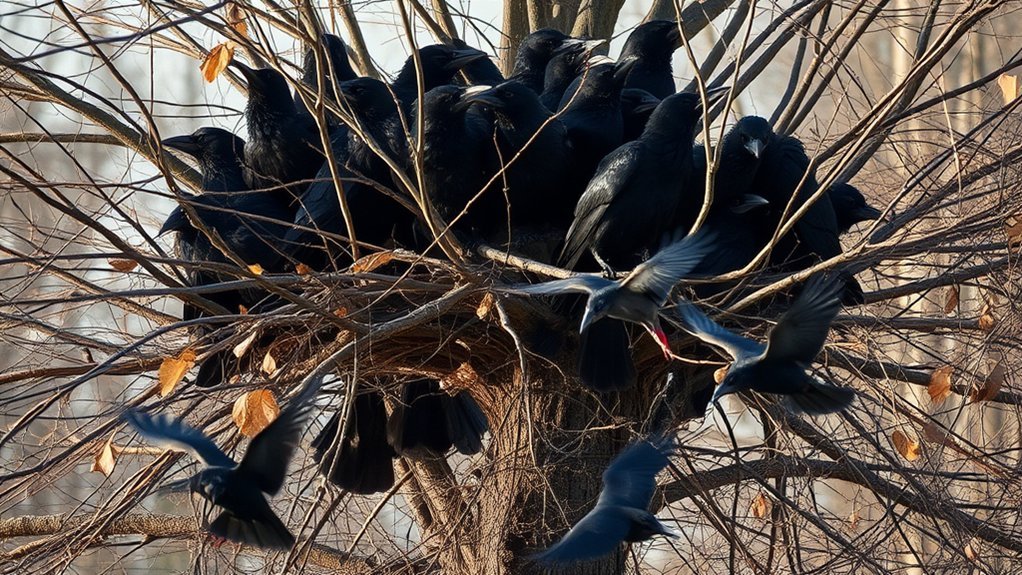
Have you ever wondered why a group of crows is called a "murder"? It's an interesting name that shows how these clever birds act together.
Crows often gather in large groups. They talk to each other and work together in smart ways. Their sounds help them share important news about food and dangers.
Learning about how crows interact helps us see their social lives. They make choices and form bonds, just like we do.
When we understand their behavior, we can appreciate nature more. So, dive into the world of crows and discover the amazing ways they connect with one another!
The Origin of "Murder of Crows"
Crows are interesting birds, and the names we give them are even more fascinating. One of the most unusual names is "murder of crows." This term dates back to the late Middle Ages. During that time, people believed in many superstitions and stories. Crows were often linked to death and bad luck, which is why they got this dark name.
People used this term in stories and songs, helping it stick around over the years. Crows like to gather in groups and often find food near battlefields, which added to their spooky reputation.
When you think about "murder of crows," remember how names can shape how we see these smart birds. Crows have a lot to teach us, so let's take a closer look at them!
Other Fascinating Collective Nouns for Crows
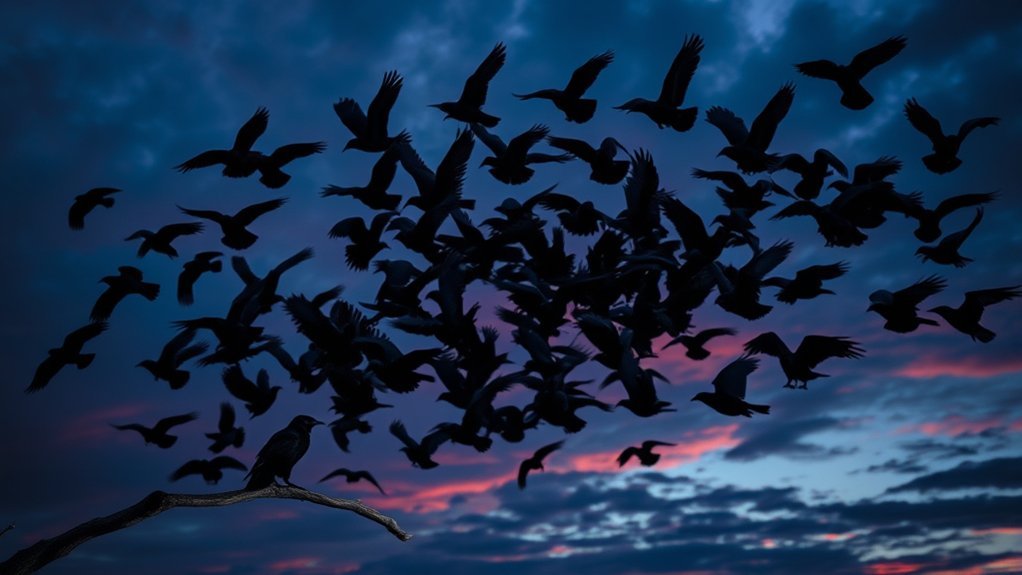
Crows have more names for their groups than just "murder." These names show how crows act and what they're like. For example, when you hear "cauldron," it hints at crows' clever and mysterious behavior. The term "parliament" points to their smart and social way of living.
When crows fly together, you might call them a "flock," which shows how they work as a team. These names help us appreciate crows even more. They remind us that these birds are interesting and complex.
Learning about these terms can deepen our connection to nature. It's fun to think about how crows interact with each other and their surroundings. So, the next time you see crows, remember these cool names and enjoy watching them!
The Symbolism Behind Crows in Culture
Crows have a special place in many cultures. While some people think crows bring bad luck, they symbolize much more than that. Crows are smart and can live in many different places. This shows how strong and adaptable they are, making them symbols of survival.
In some traditions, people believe crows can connect the earth to the spirit world. This shows how we see life, death, and rebirth. Crows often join in rituals, symbolizing wisdom and the secrets of life.
Crows in Folklore and Mythology

Crows are interesting birds in many stories and traditions from around the world. They often represent ideas like change and knowledge. People are curious about crows because they seem mysterious.
In Native American cultures, crows are sometimes seen as creators or tricksters. They can be clever and playful.
In Norse mythology, Odin has two crows that symbolize thought and memory. These crows help him think and remember important things.
In some cultures, crows are seen as omens. This means they can signal changes or warn of danger.
In Japan, people see crows as protective spirits. They believe that crows can guard against harm.
The Ancient Greeks linked crows to prophecy, thinking their caws carried messages from the gods.
These different views show how crows have many roles. They can be wise beings or signs of fate. This makes them an important part of human stories and experiences.
The Intelligence of Crows: A Closer Look
Crows are super smart birds. They can solve problems just like some monkeys do. They use tools and know which tool to use for different jobs. Sometimes, they even make their own tools!
Crows also think ahead. They save food in special places to eat later. This shows they plan for the future. They learn from each other too. When one crow figures something out, others can learn from them.
This ability to adapt helps crows survive and thrive. Because of all this, crows are some of the smartest animals out there. It's impressive to see just how clever these birds really are!
The Social Behavior of Crows
Crows are really interesting birds. They show their smartness and flexibility in how they behave together. When crows interact, they use clear signals to communicate and form social groups.
Here are some things that crows do:
- They make different sounds to warn each other of danger.
- They play games, which helps them make friends with one another.
- Some crows lead the group while others follow. This creates a social ranking.
- They help each other raise baby crows, sharing the work.
- Crows can remember faces, which helps them keep track of their friends over time.
Crows have a lot to teach us about working together and building friendships!
Crows and Their Role in Ecosystems
Crows are amazing birds, and they do a lot for the environment. People like to watch them because they're smart, but crows also help nature in many ways. They live in different places, like cities and forests.
Crows help plants grow by spreading seeds. This helps our forests and gardens to be full of life.
They're also scavengers, which means they eat dead animals. This is important because it helps keep our surroundings clean and stops diseases from spreading.
When crows search for food, they help manage insect numbers, which is good for farms and gardens. Watching crows in your neighborhood is a great way to connect with nature.
When you see what they do, you understand how important they're to our environment.
Crows aren't just ordinary birds; they're important helpers in our ecosystem. Being aware of their role can help you feel more connected to nature and your community.
Enjoy observing these fascinating creatures!
Fun Facts About Crows
Crows are really smart birds with some amazing behaviors that make them stand out. They can communicate well and think deeply, showing just how clever they are.
Here are some fun facts about crows that you might find interesting:
- Crows can tell one human from another. They know who's friendly and who might be dangerous.
- They can use tools, like bending twigs to help them get insects out of trees.
- Crows make different sounds to share important messages with each other.
- They love to play! You might see them sliding down snowy roofs just for fun.
- Crows remember dangers and can share that knowledge with other crows to keep their friends safe.
Learning about how crows communicate helps us understand their social life. These facts show just how special and smart these birds really are!
How to Spot a Crow Gathering
Have you ever wanted to know how to spot a group of crows? Watching how crows act can help you see how they flock together. Look for crows in open fields or high up in trees. They like to sit close to each other and call out to their friends.
If you hear screeching and chattering, that means they're socializing. When you see them moving around quickly, they usually have a reason.
You might notice crows standing close together or flying in wide circles. This shows they're doing something together, like eating or getting ready to sleep.
Pay attention to how they act, especially when the sun sets or before bad weather. By watching for these signs, you can feel closer to these interesting birds and see how they work together.
The Significance of Crows in Literature and Art
Crows are really interesting birds. They show up a lot in stories and art from different times and places. People see crows in many ways. Sometimes, they stand for wisdom, and other times, they can feel a bit scary or mysterious.
Here are some cool facts about crows in literature and art:
- Crows in poetry: Writers like Edgar Allan Poe used crows to talk about sad things like death. Their dark color and behavior help create a spooky mood.
- Crows in paintings: Artists often paint crows in nature scenes. They make those pictures feel more emotional and full of meaning.
- Cultural symbolism: Different cultures see crows in different lights. Some think of them as tricksters that play funny games, while others see them as bad omens.
- Folklore references: Many stories tell of crows being linked to spirits. This connection shows how people relate to them through tales.
- Modern interpretations: Today, artists still use crows in their work. They show crows as symbols of change and strength.
Crows aren't just ordinary birds. They carry a lot of meaning in art and stories, making them special in our lives.
Frequently Asked Questions
Are Crows Considered Pests or Protected Species in Most Regions?
Crows can be seen as pests, especially in cities. They often make loud noises and can create a mess. However, many places have laws to protect crows. These laws help keep their numbers in check and ensure they have a safe place to live.
Crows do important jobs in nature. They eat garbage and help clean up the environment. Learning about how crows fit into our cities can make us appreciate them more. They are smart birds and can adapt to many places. Understanding crows helps us see why they matter to both nature and our daily lives.
How Do Crow Populations Vary by Location?
Crow populations change based on where they live. In cities, crows often gather in large numbers because there is plenty of food. People might leave out scraps, and trash cans provide snacks.
In the countryside, crows tend to be more spread out. They fit into different habitats and find food in fields, forests, and farms. Each group of crows learns to live in its specific area.
What Do Crows Eat in Urban Environments?
Crows do really well in cities. They find food in many places. Crows eat leftover food that people toss away. They also enjoy munching on insects and small animals.
Crows are smart. They know how to change what they eat based on what is around them. This helps them survive and thrive in busy urban areas. You can often see them searching for food in parks, streets, and dumpsters.
Watching crows in the city can be fun. They are clever birds with interesting habits. Their ability to adapt reminds us of their intelligence and resourcefulness!
Can Crows Recognize Human Faces?
Yes, crows can recognize human faces! They have amazing skills to remember and identify people. For example, crows learn to connect certain faces with different experiences. This helps them know who poses a threat and who is a friend. The relationship between crows and humans can be quite interesting! Crows may even react differently to people based on their past encounters. So, if you see a crow, it might remember you, whether you were nice or not!
How Long Do Crows Typically Live in the Wild?
Crows usually live about 7 to 8 years in the wild. Some crows can even live more than 10 years. Their lifespan can change based on where they live, how much food they can find, and dangers from predators. All these factors can affect how long they survive in the wild.

Luna is the passionate founder and author of Birds and You, a website dedicated to sharing her love for birds with fellow enthusiasts. Through her engaging articles and guides, she aims to educate and inspire others to explore the fascinating world of birds. When she’s not writing, you can find Luna observing birds in their natural habitats or sharing beautiful bird photography on Pinterest. Join her on this journey to celebrate and protect our feathered friends!