
Ducks of Michigan: Facts and Insights
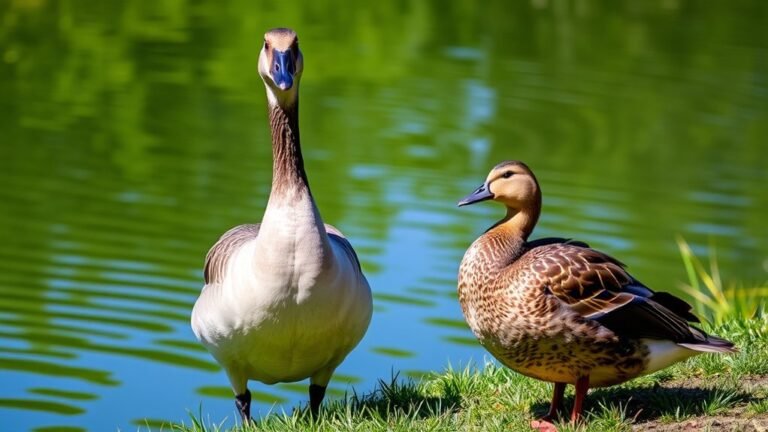
Ducks in Michigan are a big part of the state's beautiful wetlands. These birds help make the nature around us rich and varied. Ducks are good at living in different places, which makes them interesting to watch. There are many kinds of ducks in Michigan, and each has its own special habits and homes.
Sadly, many ducks face problems like losing their homes. This makes it important for us to think about how to help them. Here are some simple things you can do in your community:
- Keep Wetlands Clean: Don't throw trash in lakes and ponds. Clean water is good for ducks.
- Plant Native Plants: Give ducks good places to hide and find food by planting native plants near water.
- Build Duck Houses: If you have a pond or lake nearby, consider building duck houses. This can give them a safe place to stay.
- Support Wildlife Groups: Join local groups that help ducks and other wildlife. Volunteering or donating can make a big difference.
By doing these things, you can help ducks thrive in Michigan. It's fun to watch these animals, and with a little effort, we can keep them around for a long time.
A Quick Overview
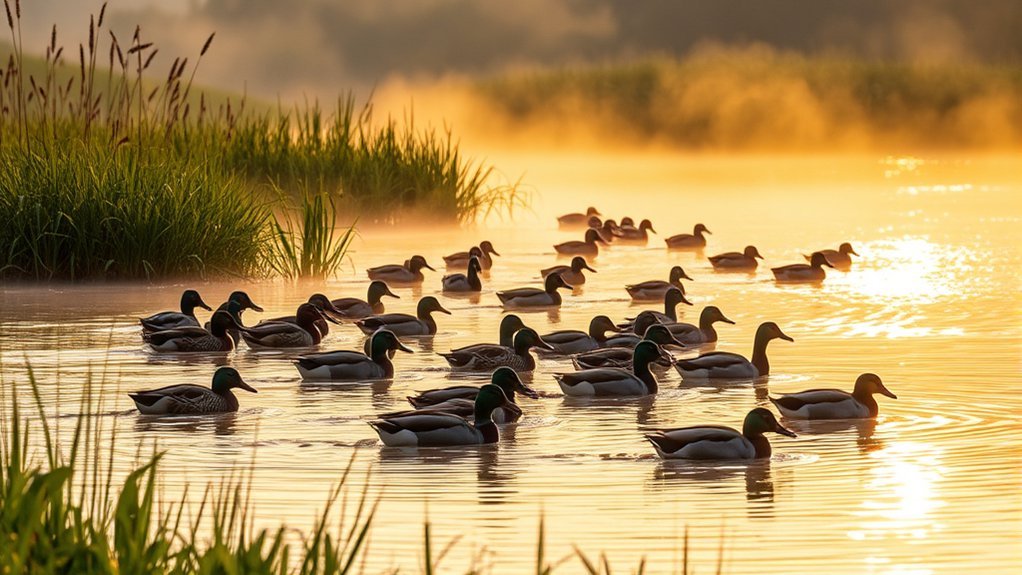
Michigan has many types of ducks, like Mallards, Wood ducks, and Northern pintails. These ducks help keep nature balanced and healthy.
Ducks are superheroes for our wetlands. They recycle nutrients, which helps plants and animals thrive. This keeps both nature and people happy.
Every spring, ducks fly back to Michigan to nest. They need the state's lakes and rivers to rest and find food on their journey.
People in Michigan work to protect ducks. They restore habitats, teach others about ducks, and fight problems like pollution and habitat loss.
You can help too! Plant native flowers, create clean water ponds, and put up nesting boxes. These actions help ducks find safe places to live and raise their families. Let's work together to support our feathered friends!
Overview of Michigan's Duck Diversity
Michigan is more than just a place for fun activities. It's also home to many different kinds of ducks. The state provides important shelter for a variety of waterfowl.
This duck diversity is crucial for the environment. Ducks help keep wetlands healthy by recycling nutrients. Their feeding habits mix up the soil and encourage plant growth. This supports many other animals too.
When you see these ducks, remember how they connect to nature. They help both wildlife and people live better. Knowing how important ducks are can help you feel closer to the land and its amazing creatures.
Common Duck Species Found in Michigan
Michigan has many beautiful wetland areas that are home to several common duck species. Learning to identify these ducks can help you enjoy and appreciate them more.
One of the most common ducks you'll see is the mallard. The male has a bright green head and makes a loud quacking sound.
The wood duck is another special one. It has colorful feathers and likes to nest in trees. Look out for the northern pintail, which has a long neck and graceful shape as it flies over the water.
Watching these ducks in their natural habitat shows how they interact with one another and adapt to different places. Each duck species plays an important role in Michigan's wildlife.
Connecting with nature this way can make your outdoor experiences even more enjoyable. So, take some time to observe these amazing birds and have fun learning about them!
The Migratory Patterns of Michigan Ducks
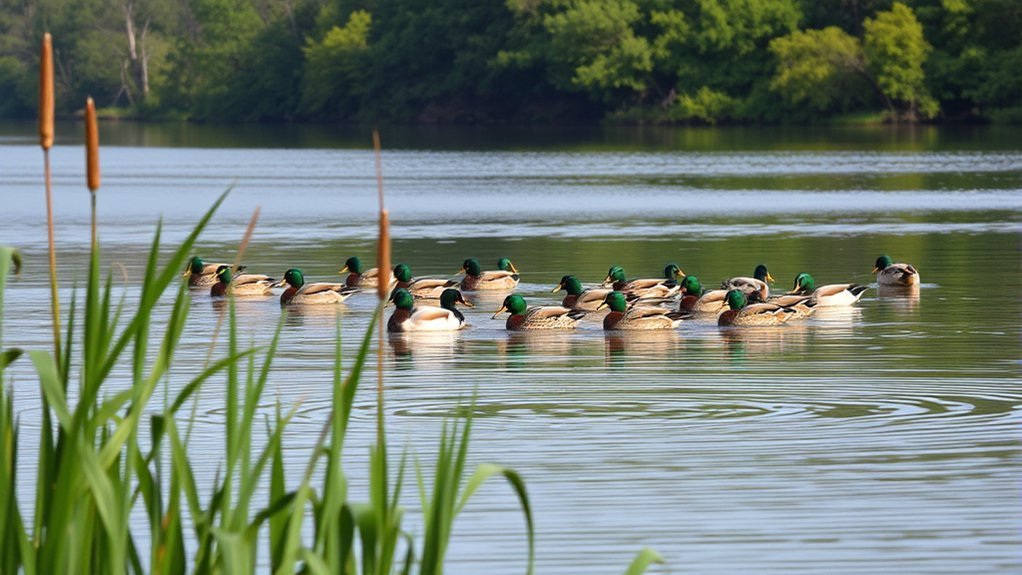
Ducks in Michigan have interesting ways of moving from one place to another. They usually fly south when it gets cold. This migration helps them find warmer areas where they can eat and stay safe.
Ducks pay attention to the length of the day and temperature changes. These signs tell them it's time to move. In the spring, when it gets warmer, they come back to Michigan to find good places to build their nests. This helps their numbers grow.
Michigan has many lakes and rivers, which are important for ducks during their travels.
Watching how ducks migrate can help us appreciate how strong and adaptable they are. They've smart strategies for survival, making them an important part of our environment.
Habitat Preferences: Where Ducks Thrive
Ducks love to live in wetlands, marshes, and clear water. These places have lots of food and keep them safe from danger. Ducks usually pick ponds that stay full of water. These ponds are great because they've plants and bugs for them to eat.
Ducks also like shallow water. This makes it easy for them to find food.
When it's time to nest, they choose spots with thick plants near the water. This keeps their eggs safe.
You can find ducks where they can easily get food and have a cozy place to rest. Knowing where ducks like to be helps us protect their homes. By caring for their habitats, we can make sure ducks stay happy and healthy.
The Life Cycle of Michigan Ducks
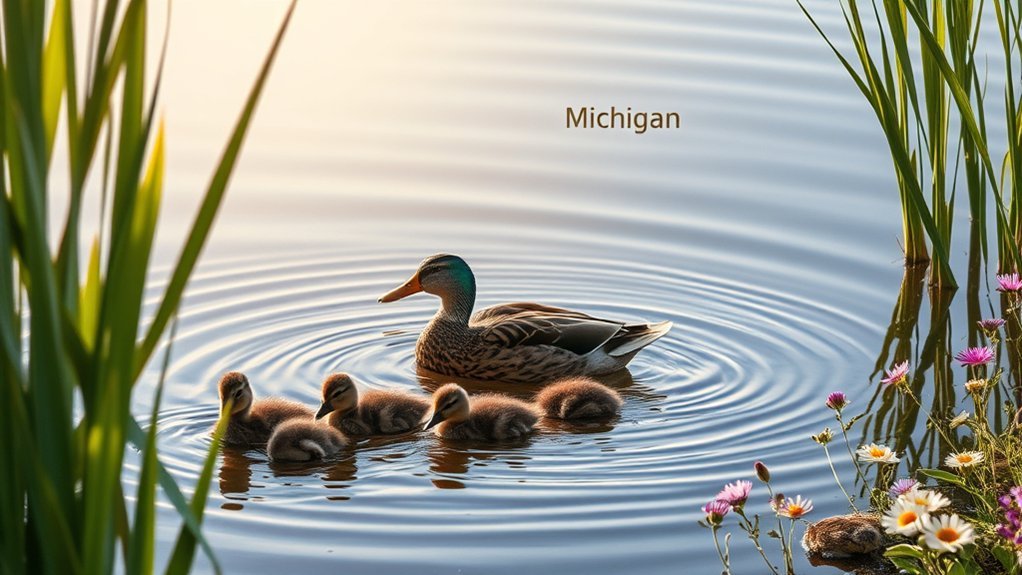
The Life Cycle of Ducks in Michigan
Ducks are amazing birds. In Michigan, they go through interesting stages in their life.
Let's look at these stages!
- Nesting: Female ducks find safe spots to lay their eggs. They usually lay about 10 to 12 eggs. They cover them up well so predators can't see them.
- Incubation: The mother sits on her eggs for around 28 days. She keeps them warm and safe so the eggs can grow into ducklings.
- Hatching: When the eggs hatch, the ducklings come out. They quickly follow their mother to water. They're ready to swim and explore right away!
- Growing Up: In the next few months, ducklings grow fast. They learn important skills they'll need as adult ducks.
Ducks in Michigan show us how strong and smart they are.
Watching them can help us appreciate nature even more!
Unique Characteristics of Michigan's Wood Duck
In Michigan, one bird really catches the eye: the wood duck. The male wood duck has bright colors like green, blue, and red. These colors help it attract a mate during the breeding season.
Wood ducks have large heads and long bodies. These shapes help them move easily through forests and wetlands. Unlike other ducks, they often perch on tree branches to rest.
Watching wood ducks in their natural habitat is a treat. Their beauty and unique behaviors make them a joy to observe.
The Role of Ducks in the Ecosystem
In Michigan, ducks like the beautiful wood duck are important for keeping nature balanced. Ducks help their surroundings in many ways, making everything work better together.
Here are four key ways that ducks make a difference:
- Nutrient cycling: Ducks help break down old plants and food in water and soil. This makes the soil and water healthier.
- Controlling pests: Ducks eat insects and small water animals. By doing this, they help keep those populations in check and support other animals living around them.
- Food for others: Ducks are food for larger animals, like foxes or eagles. This helps to keep the food chain strong.
- Helping plants grow: When ducks build their nests, they can help plants grow around them. This gives homes and safety to other animals.
These points show just how important ducks are for nature in Michigan. They help keep everything in balance and support many other living things.
Challenges Facing Michigan's Duck Populations
Ducks in Michigan are facing big problems that could put them at risk. First, they're losing their homes because of new buildings and roads. This makes it harder for them to find places to lay their eggs and get food.
Second, changes in weather are making it tough for ducks to know when to fly south or find food. Weather changes can also make things harder for them to survive.
Also, even though there are rules about hunting ducks, it's hard to make sure everyone follows them. This means some ducks can be hunted too much in certain areas.
Lastly, pollution from farms and factories is making the water dirty. This water is important for ducks to drink and live in, so dirty water can harm their health.
All these problems are connected.
But you can help! Speak up for better rules to protect ducks. Support local groups that work to save Michigan's wetlands, where ducks love to live. Your voice can make a difference!
Conservation Efforts for Duck Protection
Duck populations in Michigan face many challenges. However, there are ways to help protect these important birds and their homes. Here's how you can make a difference:
- Restore Habitats: Help projects that bring wetlands back to life. Wetlands are very important for ducks to breed and feed.
- Educate Others: Join workshops and events. Teach your friends and family why duck conservation matters.
- Volunteer: Look for local groups that watch over duck populations and their homes. Offer some of your time to help them.
- Advocate for Change: Speak up for policies that support the use of land in a way that protects natural habitats.
Together, we can support duck populations and make a positive impact on their environment.
Every little bit helps!
Best Spots for Duck Watching in Michigan
Michigan is a great place for duck watching! If you love nature and birds, you'll enjoy these spots.
One of the best places is Shiawassee National Wildlife Refuge. Here, you can see many types of ducks swimming in beautiful wetlands. The sights are lovely!
Another cool spot is Gravel Island in Lake Huron. This place is quiet and perfect for spotting ducks and taking pictures of them.
If you want to watch ducks in a city setting, visit Belle Isle Park in Detroit. The ducks there enjoy the waterfront and make it fun to watch them.
Each of these locations gives you a chance to see ducks up close. Bring your binoculars and enjoy watching the lively duck populations in Michigan!
Tips for Photographing Ducks in the Wild
Taking great pictures of ducks in the wild can be fun and rewarding. Here are some easy tips to help you get the best photos of these birds:
- Use the Right Camera Gear: A long lens helps you take close-up photos without bothering the ducks. This way, you get clear pictures while keeping your distance.
- Think About Composition: Use the rule of thirds. This means placing the ducks not in the middle of your photo. Positioning them off-center can make your pictures look more interesting.
- Be Patient: Wait for the ducks to show their natural behaviors, like preening or eating. This will help you capture their beauty and unique personalities.
- Pay Attention to Light: The best time to shoot is early in the morning or late in the afternoon. The light is softer during these times, which makes your photos look better.
By following these tips, you can take better photos and feel more connected to these amazing birds in their home.
Happy shooting!
The Importance of Ducks in Local Culture
Ducks are important in Michigan's culture. They influence art and food. Many towns have stories about ducks that people share with each other. These stories celebrate the birds and connect everyone in the community.
You can find festivals that focus on ducks. At these events, people display art inspired by ducks, bringing joy to the streets. This shared love for ducks helps build friendships among neighbors.
Ducks also play a big role in local cooking. Many dishes feature duck, bringing delicious flavors to the table.
When you join these traditions, you'll see how ducks connect people to the land and to each other. They're a key part of what makes these communities special.
How to Create a Duck-Friendly Environment in Your Yard
Creating a duck-friendly yard can be a fun and rewarding project. If you love watching wildlife, here are some simple tips to help you attract ducks and keep them safe.
- Pick the right plants: Choose local plants that give ducks food and a place to hide from danger.
- Make a small pond: Build a little pond with clean water. Ducks need water for drinking and swimming, so keep the pond clean.
- Add nesting boxes: Put out nesting boxes near your pond. These boxes give ducks a safe place to lay their eggs.
- Set up barriers: Use fences or other barriers to protect ducks from predators. This helps keep their nesting areas safe.
Frequently Asked Questions
What Time of Year Is Best for Duck Watching in Michigan?
The best times to watch ducks in Michigan are in spring and autumn.
In spring, many ducks come back after the winter. You can see colorful ducks arriving and getting ready for nesting. It's a lively time to enjoy the outdoors.
In autumn, ducks are busy getting ready for winter. Some dive for food, while others gather in groups. This time offers a chance to see different kinds of ducks as they prepare to migrate.
Both spring and autumn give great chances to see and enjoy ducks. Grab your binoculars and head outside!
Are There Any Poisonous Plants That Harm Ducks in Michigan?
Yes, some plants can hurt ducks. In Michigan, water hemlock and foxglove are two examples of harmful plants. It's important to keep an eye on the areas where ducks hang out. Make sure these poisonous plants are not nearby. This way, you can help keep ducks safe and healthy.
How Do I Identify Duck Sounds in Michigan?
To identify duck sounds in Michigan, listen for three main types of noises: quacks, whistles, and coos. Each type of duck makes different sounds, so it helps to pay attention.
Practice will make it easier to tell them apart. Notice how the sounds change depending on the species and the situation. This can make watching ducks even more fun!
Enjoy the process of learning about these interesting birds and their unique voices!
Can I Legally Hunt Ducks in Michigan, and What Are the Rules?
Yes, you can legally hunt ducks in Michigan! To do this, you need to know the hunting rules and get the right duck permits. Learning these rules will help you have a fun and safe hunting trip. Always stay updated on the latest regulations and enjoy your time in nature!
What Should I Do if I Find an Injured Duck?
If you find an injured duck, the first thing to do is call a local wildlife rehab center or duck rescue. They can help you know what to do next. It's best not to try to pick up the duck yourself. The duck may feel scared and stressed. Let the experts handle it.

Luna is the passionate founder and author of Birds and You, a website dedicated to sharing her love for birds with fellow enthusiasts. Through her engaging articles and guides, she aims to educate and inspire others to explore the fascinating world of birds. When she’s not writing, you can find Luna observing birds in their natural habitats or sharing beautiful bird photography on Pinterest. Join her on this journey to celebrate and protect our feathered friends!