
Hawks Found in Minnesota: A Guide
In Minnesota, you can find many types of hawks. This is exciting for birdwatchers but can also be tricky. Each hawk, like the well-known Red-tailed Hawk and the secretive Cooper's Hawk, has its own special look and habits. Knowing these details helps you spot them better.
The different kinds of places in Minnesota, like forests and fields, also affect where these hawks live. To see them more easily, pay attention to their size, colors, and shapes. Notice where they like to perch or hunt for food. Watching hawks can be fun and rewarding when you know what to look for!
A Quick Overview
Minnesota has many types of hawks, like the Red-tailed Hawk and Cooper's Hawk. These birds can live in different places throughout the state. Some hawks stay all year, while others fly to warmer spots in winter using rising warm air.
Hawks like to build their nests high in trees or on cliffs. This keeps them safe from other animals that might want to eat them.
If you want to see hawks, good places to watch them are spots where open fields meet woods. One great place to go is the Minnesota Valley National Wildlife Refuge.
The best times to look for hawks are early in the morning or late in the afternoon. Bring binoculars to get a better look at these amazing birds!
Overview of Hawk Species in Minnesota
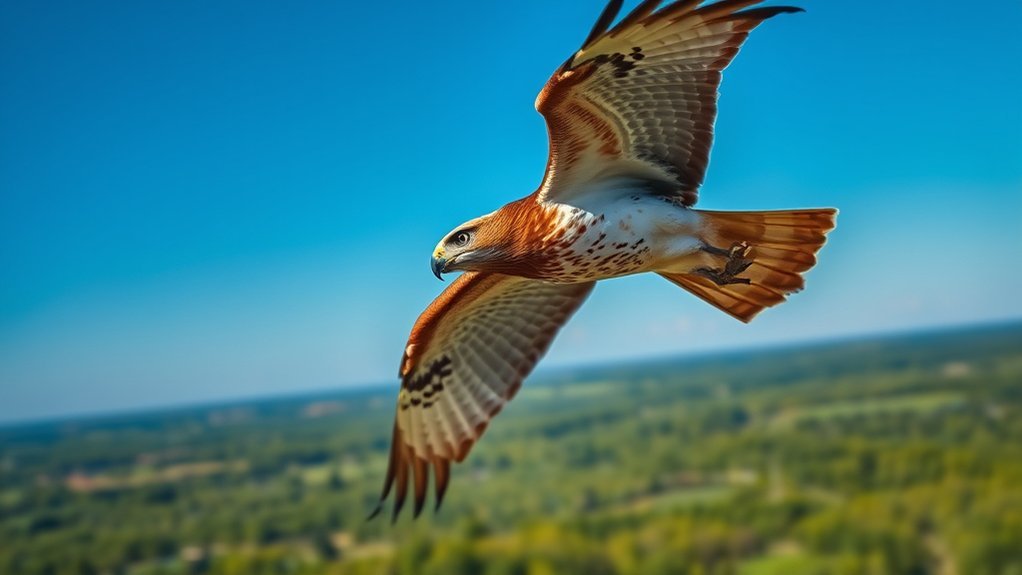
Minnesota is home to many different types of hawks. Each hawk is special and has adapted well to the state's unique environments. Some hawks stay in Minnesota year-round, while others migrate here at different times of the year.
During migration, some hawks soar high in the sky using warm air currents to travel long distances. You can often see them gathering in groups at certain spots. Watching how they interact with each other during this time can be really fascinating. They use lots of sounds and body language to communicate, especially when they're hunting together.
Minnesota's wide range of habitats, from thick forests to open fields, attracts different hawk species. Each type of hawk has its own favorite places to hunt and nest.
As you explore Minnesota, you might see them performing impressive aerial tricks as they chase their meals. Their sharp eyesight and quick movements make them skilled hunters.
Learning about hawk behaviors and their migration patterns helps you connect more with nature in Minnesota. These birds of prey are truly amazing, and observing them can spark your interest in wildlife and the outdoors.
Common Hawks and Their Identification
Identifying hawks in Minnesota can be fun and help you enjoy nature more. Let's look at some common types you might see.
First, you have the Red-tailed Hawk. This hawk is famous for its reddish tail and wide wings. It's easy to spot when it flies high in the sky.
Next is the Cooper's Hawk. This one is slim and quick. It hunts smaller birds and can dart between trees with incredible speed. Watching how it moves is always exciting.
Don't forget about young hawks. They can look different from adult hawks, which can make identifying them tricky. Pay attention to their wing shapes and sizes. This will help you tell them apart.
Another hawk you might see is the Sharp-shinned Hawk. This bird is about the size of a crow. It can be hard to tell apart from other hawks, but it has shorter tails and flaps its wings quickly.
Hawk Habitats and Nesting Sites
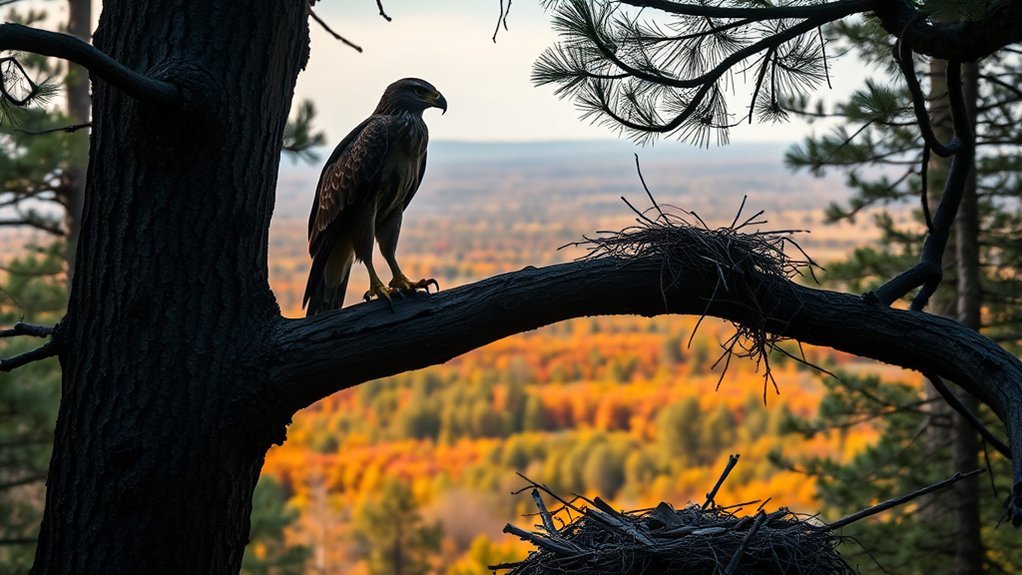
Hawks are amazing birds that live in different places. They like open areas like grasslands and wetlands, but some prefer woods for extra cover. Hawks often build their nests high up in trees or on cliff ledges. This gives them a good view to find food.
Different types of hawks choose different habitats. For instance, red-tailed hawks often live in deciduous forests, while Cooper's hawks enjoy dense woodlands.
Knowing where these birds make their homes can help you appreciate them more. If you're birdwatching in Minnesota, understanding their nesting habits can make your experience more enjoyable. You'll feel more connected to these beautiful creatures and their environment!
Best Locations for Hawk Watching
If you want to see hawks, look for places that have both open fields and trees. Parks and wildlife spots like the Minnesota Valley National Wildlife Refuge are great for this.
Check areas with tall trees next to big fields. These spots attract hawks, especially during fall migration when you can watch them soaring in the sky.
Rivers and lakes are also good places to see hawks because they use these waterways as natural paths. So, make sure to visit areas near water.
Joining local birdwatching groups can make your hawk-watching experience even better. Other bird lovers can share their favorite places and the best times to see hawks.
Happy birdwatching!
Tips for Spotting and Observing Hawks
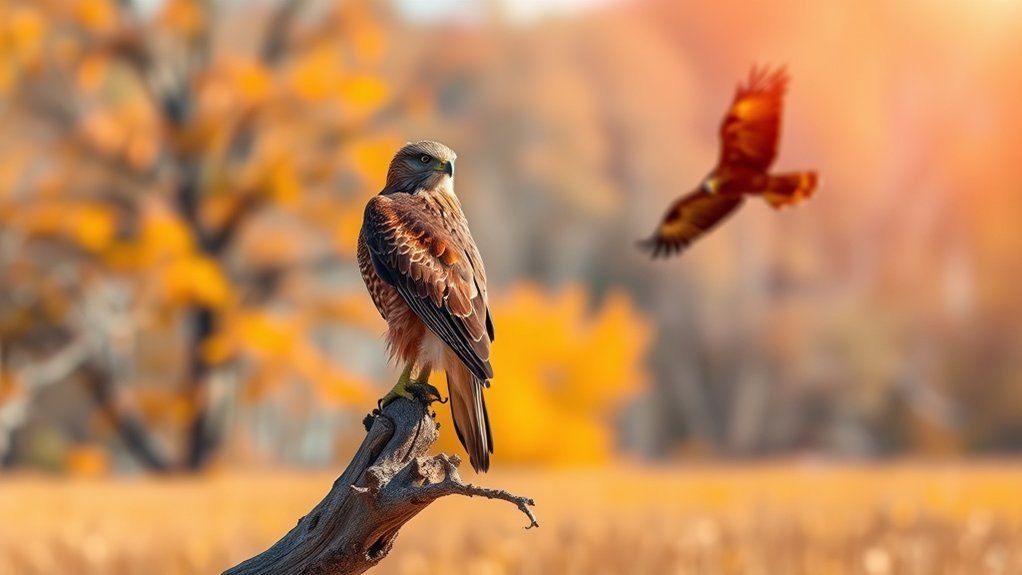
If you want to find hawks in nature, you need to pay attention and look carefully. First, learn about their habits. For example, look for when and how they hunt and where they like to perch. The best times to spot hawks are early in the morning or late in the afternoon when they're most active.
Use binoculars to scan tree lines and open fields. Look for their shapes in the sky; they've sharp wings and long tails that stand out.
Joining a local birdwatching group can be a fun way to learn more and share tips with others who love birds.
With some practice and patience, you'll get better at spotting these amazing birds. Observing hawks lets you connect with nature, and you'll want to go back again and again!
Frequently Asked Questions
What Is the Lifespan of Hawks in the Wild?
Hawks in the wild usually live between 10 and 15 years. The exact age can change based on the type of hawk and where it lives. Factors like food supply, safe places to live, and dangers from other animals can affect how long they survive. So, when you see a hawk soaring in the sky, remember that its life can vary a lot depending on its environment!
Do Hawks Migrate, and if So, When?
Yes, hawks do migrate! Different types of hawks migrate at different times. Most hawks start their journey from late summer to early fall. When they migrate can change based on how much food they find and the weather.
Hawks travel in search of warmer places and easier food supplies during the colder months. Watching hawks as they fly in big groups can be really exciting! So, if you're keen on seeing hawks migrate, late summer to early fall is the best time to look up at the sky.
Are Hawks a Protected Species in Minnesota?
Yes, hawks are protected in Minnesota. This means people cannot hunt or harm them. These rules help keep hawks safe and let their numbers grow. Protecting hawks is good for nature and helps the community appreciate these amazing birds.
What Do Hawks Typically Eat?
Hawks eat small animals like mice, birds, and sometimes lizards. They are clever hunters. They fly high to spot their food and then dive down quickly to catch it. This skill helps them survive in different places. Watching a hawk hunt is really exciting and shows how well they adapt to their surroundings.
How Can I Attract Hawks to My Backyard?
To attract hawks to your backyard, place bird feeders near thick trees. This gives them spots to sit and look for food. Plant native plants to make your yard feel welcoming. When you provide good places for them to perch and hunt, hawks will want to visit your space. Enjoy watching these beautiful birds!

Luna is the passionate founder and author of Birds and You, a website dedicated to sharing her love for birds with fellow enthusiasts. Through her engaging articles and guides, she aims to educate and inspire others to explore the fascinating world of birds. When she’s not writing, you can find Luna observing birds in their natural habitats or sharing beautiful bird photography on Pinterest. Join her on this journey to celebrate and protect our feathered friends!