
Identifying Black and Blue Birds: A Guide
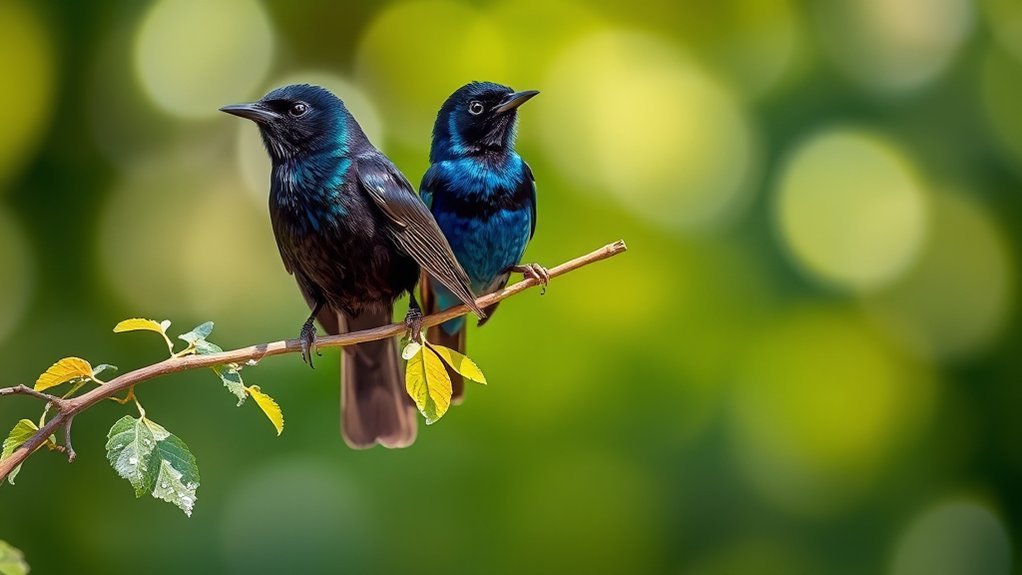
When you see black and blue birds, some features help you tell them apart. The Eastern Bluebird has bright blue feathers and gray wings. In contrast, the Black-capped Chickadee has black, white, and hints of blue.
Listening to their sounds and paying attention to their eating habits can also help you identify them better. As you learn, you might find out interesting facts about where they live or how they change with the seasons. Exploring these details can make bird watching even more fun!
A Quick Overview
- The Eastern Bluebird has bright blue feathers and gray wings. You can easily spot it in different habitats.
- The Black-capped Chickadee is mostly black and white, with some blue. Its colors make it easy to identify.
- The Indigo Bunting shows deep blue colors, especially during breeding season. This attracts birdwatchers.
- Black birds usually eat fruits, berries, and seeds. Bluebirds mostly munch on insects and small bugs.
- Listening to bird sounds helps with identification. Each bird has its own unique call and song.
The Importance of Birdwatching
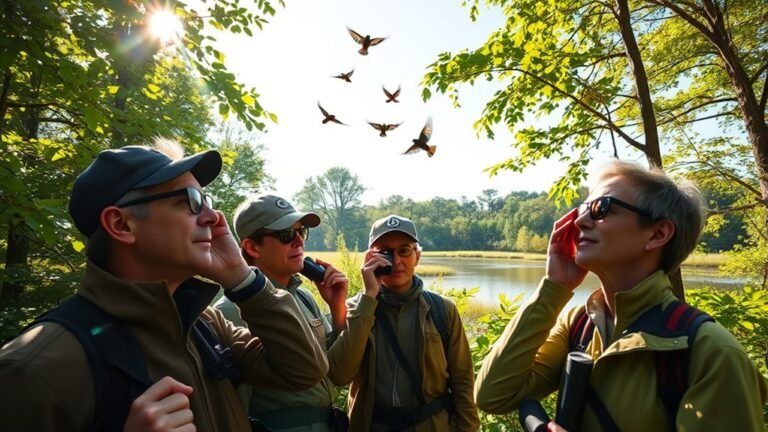
Birdwatching is a fun activity that helps you learn about nature and grow as a person. Many people around the world enjoy watching birds. When you go birdwatching, you don't just look at birds; you start to appreciate nature more. You learn about different birds like the bright Indigo Bunting or the beautiful Blue Jay. You also discover how they behave and where they go during the year.
As you watch birds, you become more aware of changes in the environment. Keeping track of the birds you see helps you pay attention to your surroundings. This makes each moment feel special.
Meeting other birdwatchers is another great part of this hobby. You can share stories and tips with each other. This builds friendships and a sense of community.
Birdwatching teaches you to respect wildlife and adds joy to your life. So grab a pair of binoculars and enjoy the adventure of birdwatching!
Common Black and Blue Birds
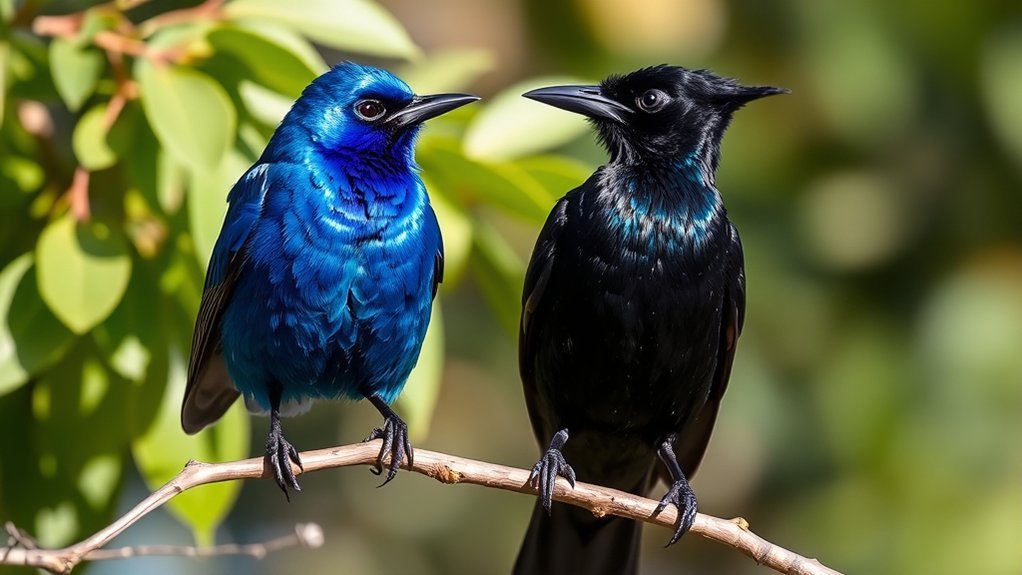
When you're out looking for birds, you might see some amazing black and blue birds. One of these is the Eastern Bluebird. It has bright blue feathers that really pop against its gray wings.
You might also see the Black-capped Chickadee. This little bird is mostly black and white but can show hints of blue depending on the light.
Another beautiful bird to look for is the Indigo Bunting. Its deep blue color can take your breath away!
These birds each show us how important color is in nature. Their colors help them communicate with each other and hide from predators.
Identifying Characteristics of Black and Blue Birds
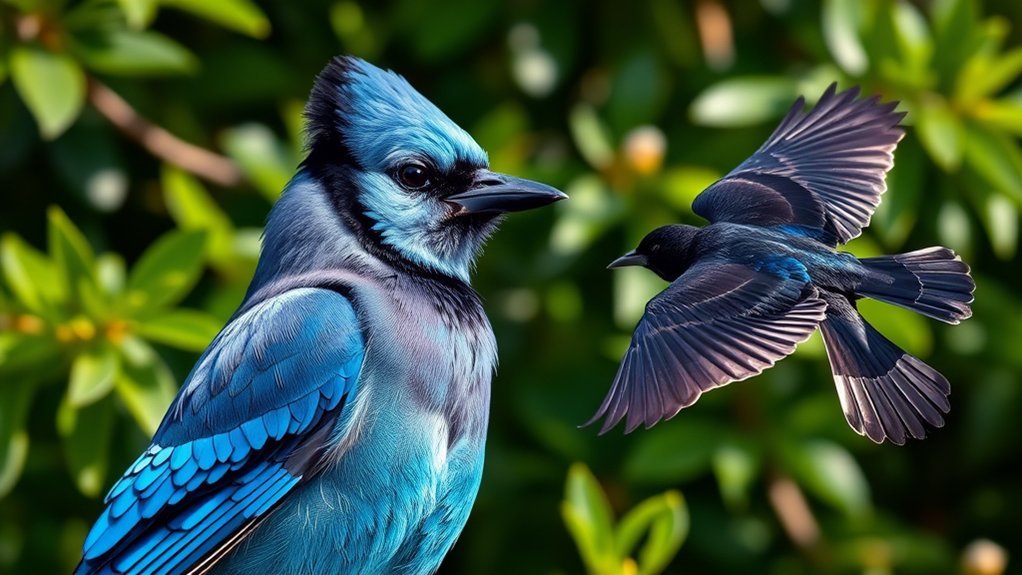
When you look for black and blue birds, you'll see some interesting features that help you tell them apart. First, notice their size. Some birds are bigger and have longer wings and tails. You can also find beautiful blue feathers next to shiny black ones, which make them stand out.
Check their beaks, too. Some birds have thick, cone-shaped beaks, while others have thin, pointy ones. This tells you about how they eat.
Also, take a look at their eye color and legs. These small details can help you identify different types of birds.
Habitats of Black and Blue Birds
Many black and blue birds live in different places. They can be found in thick forests or wide-open grasslands. To spot these birds during breeding time, it's good to know where they like to be.
Here are some places you might find them:
- Wooded Areas: Birds like the Blue Jay enjoy being in forests. They like the trees and food these places offer.
- Wetlands: The Black-crowned Night-Heron is a bird that likes marshes and swamps. These areas have lots of food for them to eat.
- Urban Environments: Some birds, like the Common Grackle, can live in cities. They find places to nest and plenty of food around buildings.
Understanding these habits will help you see these beautiful birds in their homes.
Happy birdwatching!
Seasonal Migration Patterns
As the seasons change, black and blue birds start amazing journeys. These migrations are important for their survival and helping them raise young birds. Changes in the environment, like how long the days are, temperature changes, and food being available, tell these birds when to fly.
For example, the Indigo Bunting and the Black-throated Blue Warbler follow specific paths. They use the stars and Earth's magnetic field to help them find their way. Some birds travel over 2,000 miles!
Understanding these patterns helps you feel more connected to nature. It also makes you a better birdwatcher.
Whether you see them in spring or fall, knowing about their journeys can make your birdwatching experience even better. Join the community of bird lovers and enjoy spotting these beautiful creatures!
Feeding Habits and Diet
The eating habits and diets of black and blue birds are interesting and varied. These birds have different ways to find food, depending on what's available during each season.
- Many blue birds eat insects and tiny bugs, which give them the protein they need to be strong.
- Black birds like to eat fruits, especially berries and seeds. This helps them stay energetic and active.
- Some birds save food for later. They hide it away so they can come back to eat it when they need more.
In short, black and blue birds have fun and smart ways to get their food!
Breeding Behavior and Nesting
Many types of black and blue birds are interesting to watch, especially when they breed and build nests. Each species has different mating dances. For example, male bluebirds show off their colorful feathers to win over females. Some blackbirds like to perform in groups, showing their social side.
When it comes to building nests, these birds get creative. Some use grass, reeds, or even bits of human things like plastic. They build their nests in safe spots like thick bushes or high in trees to keep their eggs safe.
These behaviors help birds stay alive and thrive in their homes. Learning about how these birds mate and build nests can make birdwatching more fun and exciting! You get to see nature in action and appreciate these beautiful creatures even more.
Vocalizations and Sounds
Birds make many interesting sounds that help them in their daily lives, especially during breeding seasons. Learning these bird calls can make birdwatching more fun and help you feel closer to nature. Each type of bird has its own special calls. These calls are important for attracting mates and marking their territory.
- Songbirds sing beautiful tunes to attract partners.
- Blackbirds make sharp, quick sounds when they're alarmed.
- Bluebirds often whistle different notes to stay connected with each other.
Differences Between Males and Females
Some birds look very different from males and females, while others do not. In many birds, like the Indigo Bunting, the males have bright blue feathers. These colorful feathers help them catch the attention of females. The females, however, are more brown and hard to see. This helps them hide when they're nesting.
The different looks between males and females can also change how they behave. Males often show off with dances and songs to attract females.
In other bird species, males and females might look similar, which can make it hard to tell them apart.
Paying attention to these differences can make watching birds more fun and interesting!
Spotting Techniques for Birdwatching
Birdwatching can be a lot of fun! If you want to see more birds, especially the hard-to-find black and blue ones, try these easy techniques:
- Be Patient and Quiet: Sit still and keep your voice low. Birds like to act naturally when they don't feel scared. This helps you see them better.
- Look in the Right Places: Check out trees, ponds, or open fields. Birds usually hang out near these spots. Listen carefully to their sounds; they can help you find where the birds are.
- Use Binoculars: Bring a pair of binoculars. They let you see farther and look closely at different areas. This way, you can spot various bird types without bothering them.
Using these tips can make your birdwatching much more enjoyable. Happy watching!
Tools and Gear for Bird Identification
To spot black and blue birds, you need some good tools. First, get a pair of binoculars. Roof prism binoculars are small and easy to carry. Porro prism binoculars give you a wider view. Look for binoculars with 8x to 10x magnification. This will help you see details without making it shaky.
Next, download some bird ID apps like Merlin Bird ID or BirdsEye. These apps show you pictures and sounds of birds in your area. They also give you information about bird populations and when birds migrate. This can be fun and helps you connect with other birdwatchers.
With the right tools, you'll enjoy birdwatching more. You'll see and learn so much, making your time outdoors even better!
Conservation Efforts for Bird Species
As you start birdwatching, it's important to know about conservation efforts that help protect black and blue bird species and where they live. Joining these efforts can make your birdwatching experience better and connect you with others who care about the environment.
Here are some easy ways you can help:
- Help Keep Habitats Safe: Get involved with local groups that work to protect and restore places where these birds live.
- Join Research Projects: Participate in projects that monitor bird populations. You can help track how many birds are around and how healthy they are.
- Teach Others and Speak Up: Support policies that protect birds and their homes. Talk to friends and family about why biodiversity is important.
Connecting With Local Birdwatching Communities
Birdwatching is a fun hobby! Connecting with local birdwatching groups can make it even better. When you join local meetups, you can see black and blue birds in their homes with others who love birds.
You'll learn cool things about how birds behave, where they migrate, and what they like to eat.
Joining online forums is another great way to connect. You can talk to birdwatchers from all over the world. You can share what you see, learn to recognize bird calls, and trade tips on taking bird pictures with new friends.
By sharing your experiences, you help everyone learn more together.
These connections will make your birdwatching journey more exciting. So, dive in and let your love for birds grow!
Frequently Asked Questions
What Time of Day Is Best for Birdwatching?
Morning is the best time for birdwatching. Birds are very active then. They eat and sing a lot in the morning.
In the evening, the light is nice. It helps you see birds better. They often come out into open areas, making it easier to spot them. Watching birds can help you feel closer to nature and enjoy the peacefulness around you.
How Can I Attract Black and Blue Birds to My Yard?
To attract black and blue birds to your yard, start by putting up bird feeders. Fill them with seeds that these birds like, such as sunflower seeds or millet. Next, plant some native plants around your yard. These plants give food and shelter to the birds.
Make sure your yard has different types of plants and flowers. This variety creates a friendly place for the birds to visit. Remember to keep water available, too. A birdbath or a small pond can help.
With these steps, you can create a nice home for black and blue birds, making your yard lively and full of beautiful colors!
Are There Specific Apps for Identifying Black and Blue Birds?
Yes, there are great apps to help you identify black and blue birds. Apps like Merlin Bird ID and iNaturalist let you see pictures and read descriptions of different birds. These tools make birdwatching fun and easy. You can learn about the birds you see and connect with other bird lovers in your area.
What Are the Key Threats Facing These Bird Species?
Birds face big problems that make it hard for them to survive. One major issue is habitat loss. This happens when people build cities and roads. As a result, birds lose their homes and places to find food.
Another problem is climate change. It causes strange weather, like heavy rains or extreme heat. These changes can make it difficult for birds to find enough food and safe spots to build nests.
Both habitat loss and climate change hurt many bird species. If we want to protect our birds, we need to pay attention to these threats and work together to find solutions.
Can I Photograph Black and Blue Birds Without Disturbing Them?
Yes, you can take photos of black and blue birds without bothering them. Just remember a few simple things.
First, keep your distance. Stay far enough away so the birds feel safe. Second, use the right camera lens. A zoom lens helps you take close-up pictures without getting too close.
Lastly, watch the birds. Pay attention to what they do. If they seem stressed or scared, it's time to step back. Following these tips helps you enjoy bird photography while being kind to the birds and their home. Happy shooting!

Luna is the passionate founder and author of Birds and You, a website dedicated to sharing her love for birds with fellow enthusiasts. Through her engaging articles and guides, she aims to educate and inspire others to explore the fascinating world of birds. When she’s not writing, you can find Luna observing birds in their natural habitats or sharing beautiful bird photography on Pinterest. Join her on this journey to celebrate and protect our feathered friends!