
Exploring Black and White Birds in the UK: A Visual Guide
When you look for black and white birds in the UK, you see some amazing species. Take the magpie, for example. This bird is smart and can even solve puzzles! Then there's the oystercatcher. It has a special bill that helps it find food on the beach. Each bird plays an important role in nature. They are all connected in some way, and that makes their habitats interesting. What could you discover about these cool birds?
A Quick Overview
Magpies are beautiful birds with black and white feathers. They are smart and can solve problems in different places.
Oystercatchers also have unique black and white feathers. They use their special bills to find shellfish on sandy beaches.
Black-headed Gulls are good at finding food. They live in cities and by the ocean. When they breed, they have brown heads for a short time.
Puffins are colorful birds that mostly live in groups near the coast. While they aren't black and white, they play an important role in their environment.
Cormorants are easy to spot with their shiny black feathers. They are known for being great divers.
These birds all add to the rich mix of wildlife in the UK.
The Elegant Puffin: A Coastal Gem
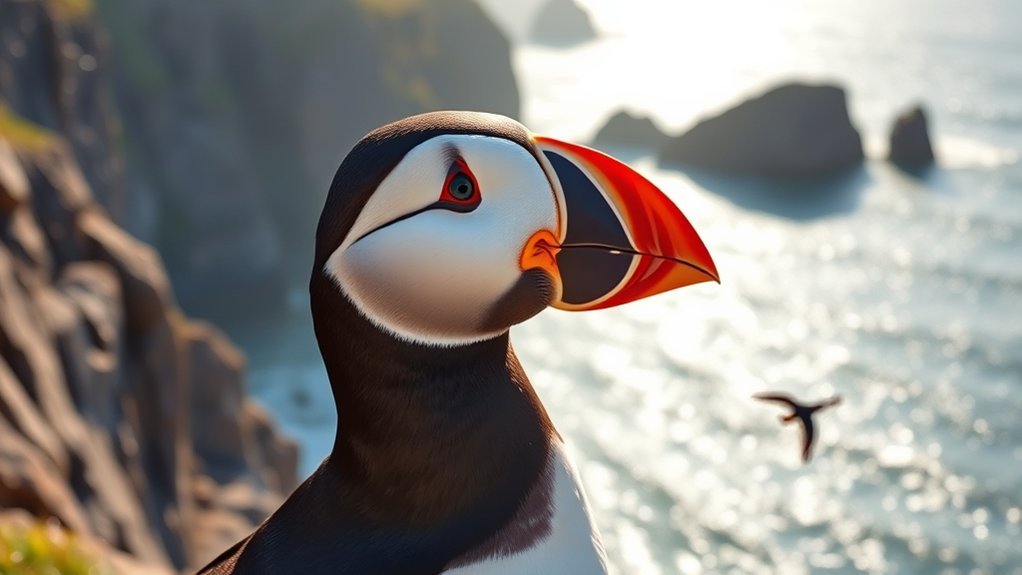
Puffins are funny-looking birds, but they're really amazing animals that live by the sea. They like to hang out with friends and often make their homes in big groups, called colonies. This helps them stay safe from predators that might want to eat them.
When puffins aren't breeding, they move to deeper waters to find food. They've a great sense of direction and know where to go to find the best places to eat. Puffins dive underwater to catch small fish and different sea creatures. Watching them dive is exciting and shows how skilled they are.
Learning about puffins helps us see how important they're to coastal environments. It also reminds us why we need to take care of their homes so they can keep living happily by the ocean.
The Formidable Black-Headed Gull
When you see a Black-headed Gull flying over a beach or park, you're looking at a bird that's great at living in different places.
These gulls like to be where food is easy to find. They often choose coastal areas and lakes that aren't too far from cities, where they can find scraps to eat.
These birds are also interesting travelers. Many of them fly thousands of miles to stay warm during winter. Some come back as early as February to lay eggs.
You can spot them with their brown heads during the breeding season, and they fly in a fun, agile way.
Watching Black-headed Gulls helps you learn more about nature. The more you know about these birds, the more you can enjoy the outdoors around you.
The Majestic Barn Owl
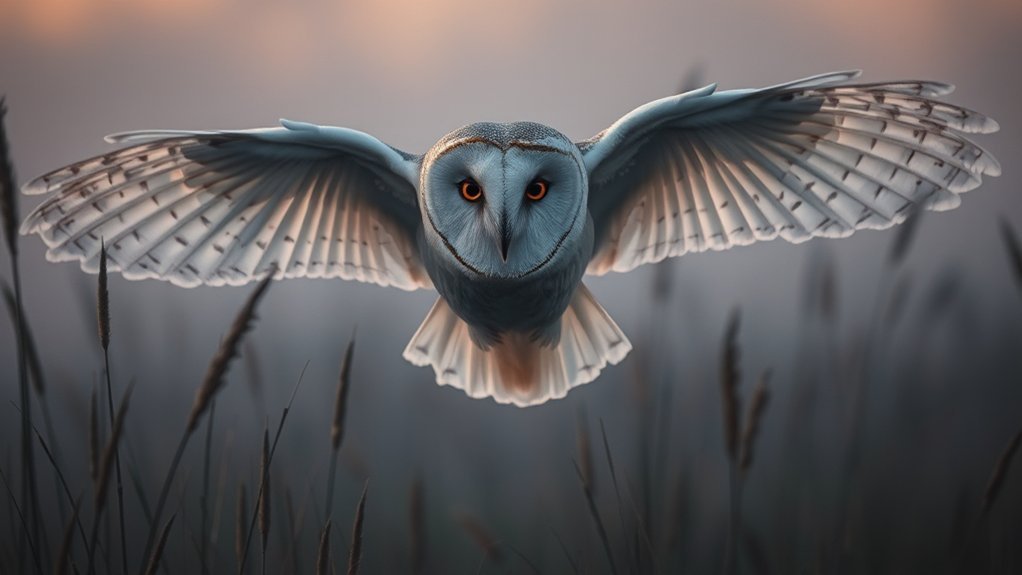
As you watch the Black-headed Gull, take a moment to notice the Barn Owl, too. This bird is known for its silent flying and special way of hunting.
Barn Owls can find their food in the dark very well. They've amazing hearing and sharp eyesight. Their heart-shaped face helps them hear sounds better, making them skilled at hunting at night.
Barn Owls have a big wingspan that can reach 110 centimeters. They glide smoothly through the night sky, often floating quietly above fields while they look for mice and other small animals.
When you see this interesting bird, you'll understand how important it's to help keep rodent numbers low. This connection to nature can make you feel closer to the environment around you.
The Striking Magpie: Symbol of Intelligence
The Magpie is a bird found in the UK. It has a bold black and white look. But what makes it really special is its smart behavior.
People have noticed how clever Magpies are, and that has made them important in stories throughout time. Here are some interesting things about their intelligence:
- Magpies can solve problems and even use tools.
- They've social groups where they work together.
- They remember where they hide their food.
- They communicate with different sounds.
These smart traits make Magpies loved by birdwatchers.
Plus, they connect to many tales in folklore. With their beauty and smarts, Magpies are fascinating for anyone curious about birds.
The Charming Oystercatcher

The Oystercatcher is a black and white bird found along the coastline of the UK. It has a special bill that helps it open shellfish, which is a big part of its diet. You can often see these birds looking for food in the sandy areas where the ocean meets the land.
They're good at using their bills to poke around and find tasty treats.
When Oystercatchers breed, they choose sandy or gravelly places to lay their eggs. They make small scrapes in the ground for their eggs, which helps keep the eggs safe from predators.
Watching Oystercatchers can teach you a lot about coastal life and help you connect with other bird lovers. They're charming birds that add beauty to our shores!
The Graceful Cormorant: Master of Diving
The cormorant is a bird with shiny black feathers and a long body. You can see it along the coastlines of the UK. It's an amazing diver that hunts fish underwater. The way it dives is quite graceful and shows off its quick movements.
- Cormorants like to stay near the coast and in freshwater lakes.
- They dive down a little to catch fish swimming by.
- After diving, they often sit on rocks with their wings open to dry their feathers.
- Cormorants also like to gather in groups when they breed.
These birds love rocky shores and estuaries, where they help keep the water clean by eating fish. They can dive deep, going over 15 meters, and can hold their breath underwater for several minutes.
Watching cormorants can be a fun way to connect with nature. They play an important part in our water ecosystems.
Frequently Asked Questions
What Habitats Do Black and White Birds Prefer in the UK?
Black and white birds in the UK like to live in many different places. They enjoy woodlands, where there are lots of trees. They also like wetlands, which are areas with water.
These birds usually build their nests in tree holes or thick bushes. These spots keep their babies safe and warm. The safety of these homes helps them raise their young well.
In short, black and white birds choose habitats that give them shelter and a good place to raise their chicks.
When Is the Best Time to Observe These Birds?
The best time to see black and white birds is in spring and autumn. During these seasons, they are very active, so it's a great time for birdwatching.
Look for their feeding habits and migration patterns. These can help you spot them more easily. Enjoy your birdwatching adventures!
How Can I Differentiate Between Similar Bird Species?
To tell apart similar bird species, start by looking at their feathers. Each bird has different colors and patterns that help you spot them. Pay attention to unique markings, like stripes or spots.
Next, watch how they behave. Notice how they eat or fly. Some birds might hop on the ground, while others swoop through the air. These actions can give you clues about which bird you see.
Are There Any Conservation Efforts for These Birds in the UK?
Yes, there are many conservation efforts in the UK aimed at protecting birds. These efforts focus on keeping their habitats safe and healthy. When you support local projects, you help these birds live and thrive. This is important for our nature and wildlife. Every little bit helps!
What Food Sources Attract Black and White Birds to Gardens?
To attract black and white birds to your garden, set up feeders with different types of seeds. Sunflower seeds and millet are great choices. These seeds give birds the nutrients they need and help bring them to your garden regularly.
Make sure to keep the feeders filled. You can also add water dishes for drinking and bathing. This way, birds will have everything they need. Enjoy watching these beautiful birds visit your garden!

Luna is the passionate founder and author of Birds and You, a website dedicated to sharing her love for birds with fellow enthusiasts. Through her engaging articles and guides, she aims to educate and inspire others to explore the fascinating world of birds. When she’s not writing, you can find Luna observing birds in their natural habitats or sharing beautiful bird photography on Pinterest. Join her on this journey to celebrate and protect our feathered friends!