All About the Black-and-White Warbler: Identification and Habitats
The Black-and-White Warbler is a small bird that many people find interesting. It has striking black and white stripes on its body, which help it blend in with trees in the forest. This bird is very nimble and moves in a zigzag pattern as it searches for food on tree trunks.
To really appreciate the Black-and-White Warbler, it's important to learn about its features, where it migrates, and the types of places it likes to live. These aspects highlight why birdwatchers and researchers are so fascinated by this species. What more could you learn about their life cycle?
A Quick Overview
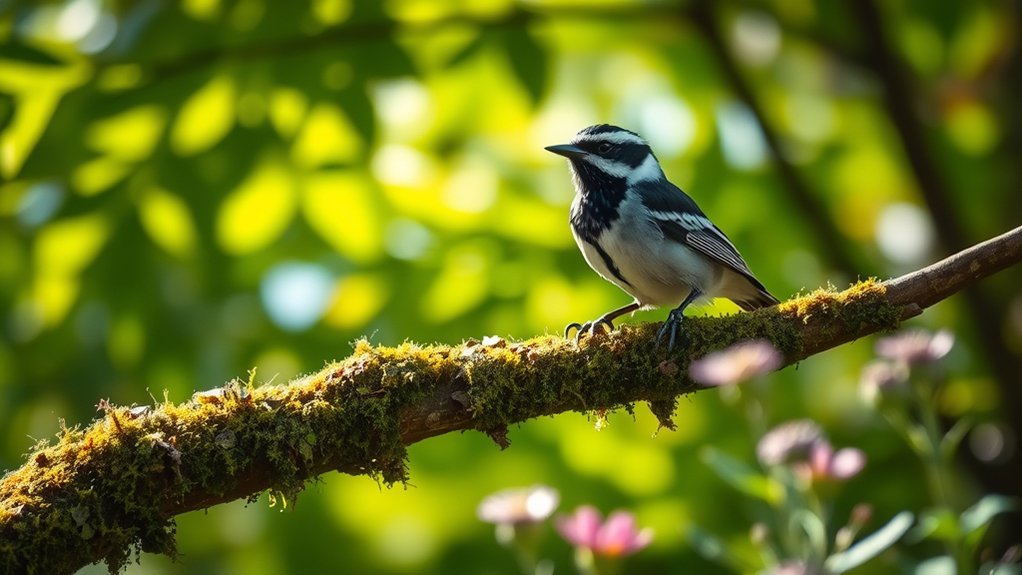
The Black-and-White Warbler is a small bird with striking black and white stripes. It measures about 4.5 to 5.5 inches long. These colors help it blend in with tree bark, making it hard for predators to see.
This bird likes to search for food on tree trunks. It often moves in a zigzag pattern and tends to stay close to the ground, especially during winter.
In the summertime, you can find Black-and-White Warblers breeding in eastern North America. When fall comes, they migrate to warmer places like the southeastern U.S. and Central America.
Listen for their sounds! They make a sharp "wee, wee" call and have a nice song, especially during mating season when they're trying to attract partners.
It's important to protect these birds because their homes are disappearing due to habitat loss and climate change. We need to help restore forests and raise awareness in our communities to keep these beautiful birds safe.
Physical Characteristics of the Black-and-White Warbler

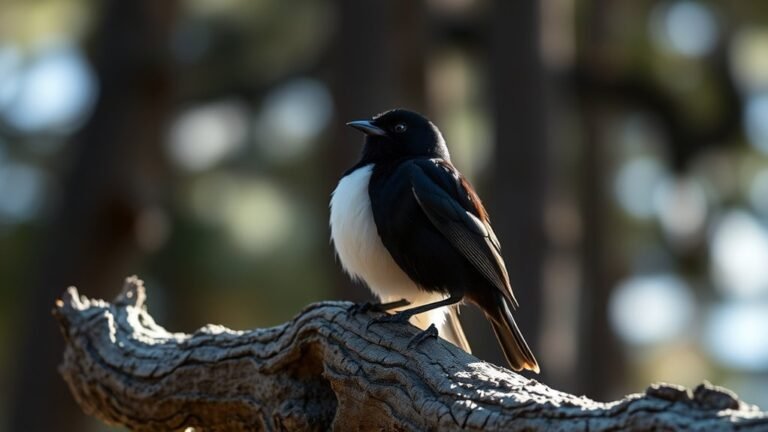
The Black-and-White Warbler is a small bird that catches your eye with its bold black and white stripes. This unique color pattern helps it blend in with tree bark, which is important for staying safe. It measures between 4.5 and 5.5 inches long, making it smaller than many other songbirds, like the American Robin.
This little bird has a slim body, a short tail, and thin legs. These features help it move easily along tree surfaces as it looks for insects to eat.
Watching the Black-and-White Warbler is a fun experience, as you can see how skillfully it searches for food in the trees.
Unique Behavioral Traits
The Black-and-White Warbler is a special bird with interesting ways of finding food. Unlike many birds that stick to one spot, this warbler moves up and down tree trunks and branches in a zigzag pattern.
This helps it find insects hiding under the bark.
You will also see that these birds enjoy being social. They often forage with other warblers or different bird species, which can help them find food more easily.
Here are some cool things about the Black-and-White Warbler:
- Fun to watch: They're great at climbing and can easily move on vertical surfaces.
- Social eaters: They sometimes join mixed groups of birds when looking for food.
- Smart feeders: They change how they search for food based on what's available, showing their cleverness.
Knowing these behaviors makes watching the Black-and-White Warbler more enjoyable and helps you understand its role in nature better.
Vocalizations and Calls

The Black-and-White Warbler is known for its special sounds, which help you recognize it before you see it. This bird makes different calls, and knowing these can help you spot it in the wild. One of its calls sounds like a sharp "wee, wee."
Its song is more melodic and features clear notes that go up and down in pitch. Listening to this bird can be a joy!
During breeding season, male Black-and-White Warblers sing a lot. They do this to mark their territory and attract mates. By paying attention to their vocalizations, you can gain a true appreciation for this fascinating bird.
Range and Migration Patterns
Knowing where the Black-and-White Warbler lives and migrates can make your birdwatching more fun, especially in spring and fall.
These interesting birds migrate at specific times and travel to certain places each season.
- They breed in eastern North America, from southern Canada to the northeastern U.S.
- In the fall, they fly to the southeastern U.S. and parts of Central America. They're good at living in different habitats.
- During winter, they stay in various habitats and look for insects to eat in the lower parts of trees.
Watching these birds can be exciting as you track their journeys throughout the year!
Preferred Habitats

Black-and-white warblers live in different places, which shows how flexible they are. You can usually see them in deciduous and mixed forests. These areas have lots of insects, which they need to eat to stay alive.
They like mature trees with thick leaves because these help them hide when they build their nests. They often place their nests close to the ground in low bushes or even on the forest floor.
When you watch these birds, you'll see how they search for food by moving quickly on tree trunks and branches. They also like spots with a lot of underbrush.
This underbrush keeps them safe and helps them raise their young. Knowing more about where black-and-white warblers live can help you understand and enjoy their special way of life.
Feeding Habits and Diet
When you watch these birds in the wild, you'll see they've special ways of finding food. They mainly eat insects, which helps them stay alive. They look for food in trees and bushes.
You can spot them searching for:
- Small bugs like beetles and caterpillars
- Spiders and their webs, which give them important protein
- Ants and moths, adding different tastes to their meals
Because of what they eat, these birds do well in forested areas. Watching how they feed can show you how they help the environment while taking care of their food needs.
Enjoy observing these charming warblers! They play a big part in nature's balance.
Breeding Season and Nesting
During the breeding season, Black-and-White Warblers show interesting behaviors. Males sing loudly from high places to attract female birds. They want to announce their presence to potential mates.
These warblers like to nest close to the ground in thick plants like bushes or in tree holes. They build cup-shaped nests using leaves, moss, and grass. They choose spots that keep their nests safe from predators.
Both mom and dad warblers help with the eggs and feeding the baby birds. This shows how caring they're as parents.
Watching these behaviors can help you appreciate their lives and the places they live, making you feel closer to these amazing birds.
Conservation Status
The Black-and-White Warbler needs our help as its home is changing. Habitat loss and climate change are big problems for many animals, including this little bird.
Let's make sure they've the support they need. Here's how you can help:
- Help save their homes. Join groups that work on restoring forests. Healthy forests are important for the Black-and-White Warbler to live and thrive.
- Join community science projects. You can help researchers collect information about the warblers. This can include counting how many there are and watching their behavior. Every little bit of data helps!
- Speak up for the environment. Support laws and policies that fight climate change. This also helps protect the paths these birds take when they migrate.
Together, we can make a difference for the Black-and-White Warbler and keep it singing in our forests!
Similar Species for Comparison
The Black-and-White Warbler has some special traits that stand out, especially when you look at birds that are similar. One such bird is the Blackpoll Warbler. Both have black-and-white feathers, but the Blackpoll Warbler is smaller and doesn't have the Black-and-White Warbler's unique side stripes. You can also tell the Blackpoll Warbler apart by its round shape and its special song.
Another similar bird is the Nashville Warbler. It looks quite different with its gray-green back and bright yellow belly.
Even though these birds have different colors, you might see them in the same places sometimes.
Both the Blackpoll and Nashville Warblers have their own special looks and songs. Learning the small differences between them can help you identify them better and enjoy these amazing birds in their natural homes.
Tips for Birdwatching
Birdwatching can be a fun and exciting hobby! Here are some tips to help you enjoy it even more:
- Get Good Binoculars: A nice pair of binoculars helps you see birds better from far away. Look for something clear and comfortable.
- Be Patient: Sometimes birds take a while to show up. Find a calm spot, stay quiet, and don't move too much. This way, the birds may feel safe to come near.
- Keep a Journal: Write down the birds you see. Note their colors and what they do. This is a great way to remember your adventures and learn more about different birds.
With these tips, you can have a great time birdwatching!
Happy birding!
Best Locations for Sightings
If you want to spot the Black-and-White Warbler, look in the right places. These little birds like to live in deciduous and mixed woodlands, especially near water. They search for food among tree bark and leaves.
To see them, visit parks and nature reserves during spring migration, which is from mid-March to May. You can also find them in the fall, around September to October. These times are when they're most active.
Pay attention to when you're out. Early morning and late afternoon are great times to spot them.
Joining a birdwatching group can make it even more fun. You can share your sightings and learn tips from other bird lovers.
Happy birdwatching!
Importance in Ecosystems
Watching the Black-and-White Warbler is a delight for birdwatchers and shows how important this bird is in nature. These little birds play key roles in their environment. They eat insects, which helps keep pest numbers low, and this helps forests stay healthy.
But their work doesn't stop there. Black-and-White Warblers also help plants by spreading seeds and nutrients.
Here are some important ways they help the ecosystem:
- Pest control: They help reduce insect populations, which is good for forest health.
- Seed spreading: They help plants grow by spreading their seeds.
- Nutrient cycling: Their actions, like foraging and waste, help recycle nutrients in the ecosystem.
Because of all this, Black-and-White Warblers help show the health of nature and the diversity of living things.
Frequently Asked Questions
What Is the Lifespan of a Black-And-White Warbler?
The black-and-white warbler usually lives for about 2 to 5 years. During their life, you can watch them as they do their special breeding dances and search for tasty bugs and insect larvae to eat. These little birds are fun to observe because they have unique ways of moving through trees and finding food.
How Do Black-And-White Warblers Adapt to Climate Change?
Black-and-white warblers change their habits to handle climate change. They move to new places to find better homes. You might see them changing where they build their nests or how they look for food. They are trying to find good spots to live as the weather changes and their environment shifts. By adapting to these changes, they can survive and thrive even with the new climate conditions.
What Predators Pose a Threat to Black-And-White Warblers?
Black-and-white warblers have some enemies in the wild. Hawks and snakes often hunt them. To stay safe, these birds use clever tricks. They blend in with the leaves and branches around them. This helps them avoid being seen. By hiding well, black-and-white warblers can survive and raise their babies.
Do Black-And-White Warblers Migrate Alone or in Flocks?
Black-and-white warblers usually migrate on their own. They prefer to travel alone rather than in groups. This way, they can find different places to stop and explore. When they're on their own, they don't have to compete with other birds for food and space. This helps them have a better journey during migration.
How Do Male and Female Black-And-White Warblers Differ?
Male black-and-white warblers have bright black-and-white stripes on their feathers. This colorful plumage helps them attract female mates. The females, on the other hand, have more muted colors. They focus on building nests and taking care of their young. This difference in appearance shows how each bird plays its part in nature.

Luna is the passionate founder and author of Birds and You, a website dedicated to sharing her love for birds with fellow enthusiasts. Through her engaging articles and guides, she aims to educate and inspire others to explore the fascinating world of birds. When she’s not writing, you can find Luna observing birds in their natural habitats or sharing beautiful bird photography on Pinterest. Join her on this journey to celebrate and protect our feathered friends!