Identifying Black and White Birds: A Guide
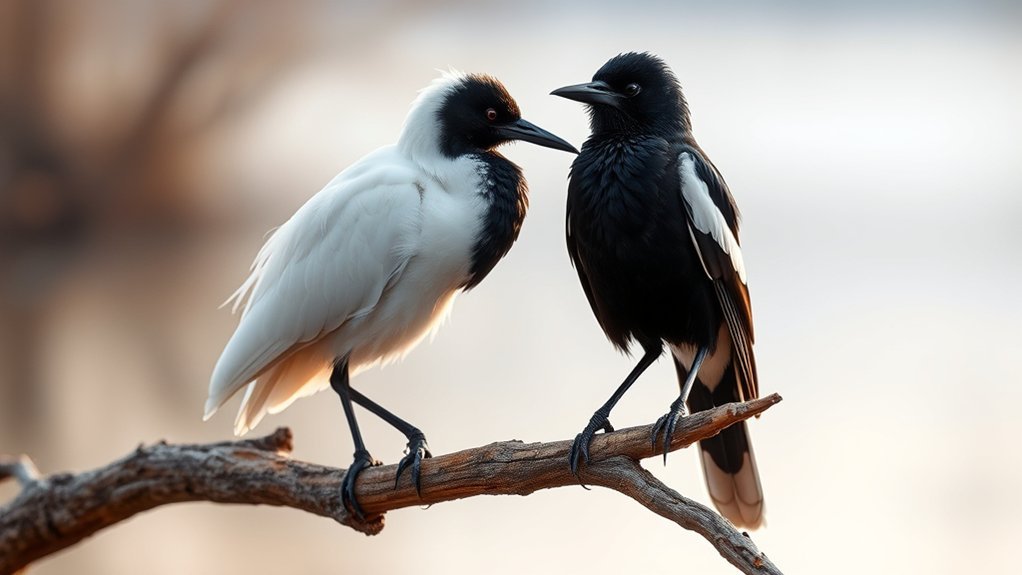
Identifying black and white birds can be fun! Look closely at their size, shape, and colors. Pay attention to their patterns and colors. Notice the shape of their beaks and how they fly. Each detail helps you learn more about these birds. But be careful! Some birds look very similar. Take your time and enjoy discovering the little differences that make each bird special. Happy birdwatching!
A Quick Overview
To identify black and white birds, pay attention to their size, shape, and color patterns. These features can help you tell different species apart. Look at the beak too. A thin beak might mean the bird eats insects, while a thick beak is good for cracking seeds.
Watch how the birds fly and feed. Unique movements can help you figure out what type of bird you're looking at. It's also helpful to think about where you see the birds. Their habitat can give clues about what kind of birds are in that area.
Using field guides and binoculars can make your birdwatching experience even better. They help you see details better and learn more about black and white birds. Enjoy your time observing these interesting birds!
Understanding the Basics of Bird Identification
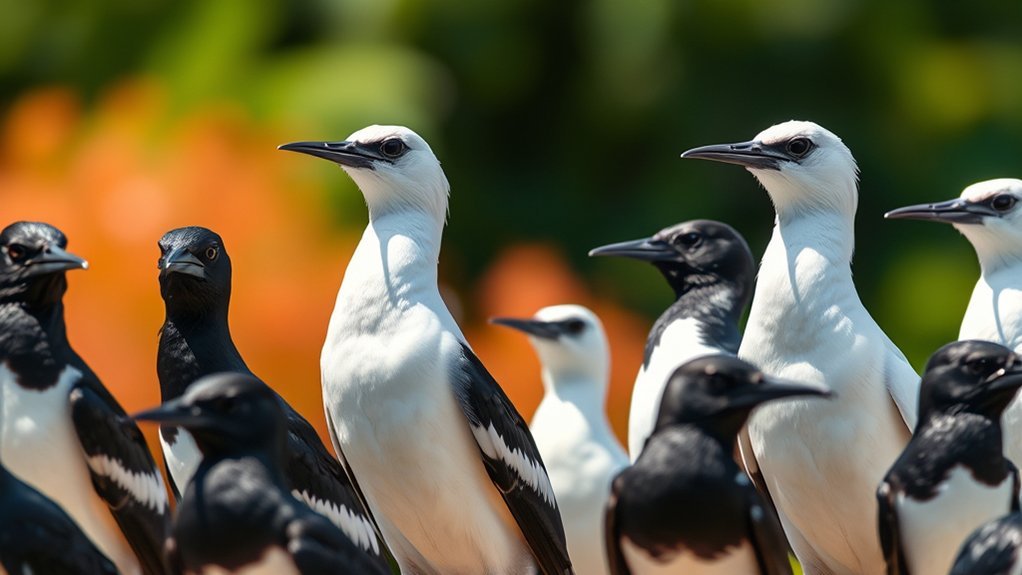
When you want to identify birds, you need to look for some key traits. This is important, especially for birds that are mainly black or white. Start by checking their size, shape, and colors.
Pay attention to the beak. A thin beak might mean the bird hunts for insects, while a thicker beak usually means it eats seeds.
Watch how the birds behave. Many birds have special ways of flying or feeding that can help you tell them apart.
Also, think about where you see the birds. The type of place can give you hints about which species are nearby.
Key Characteristics of Black and White Birds
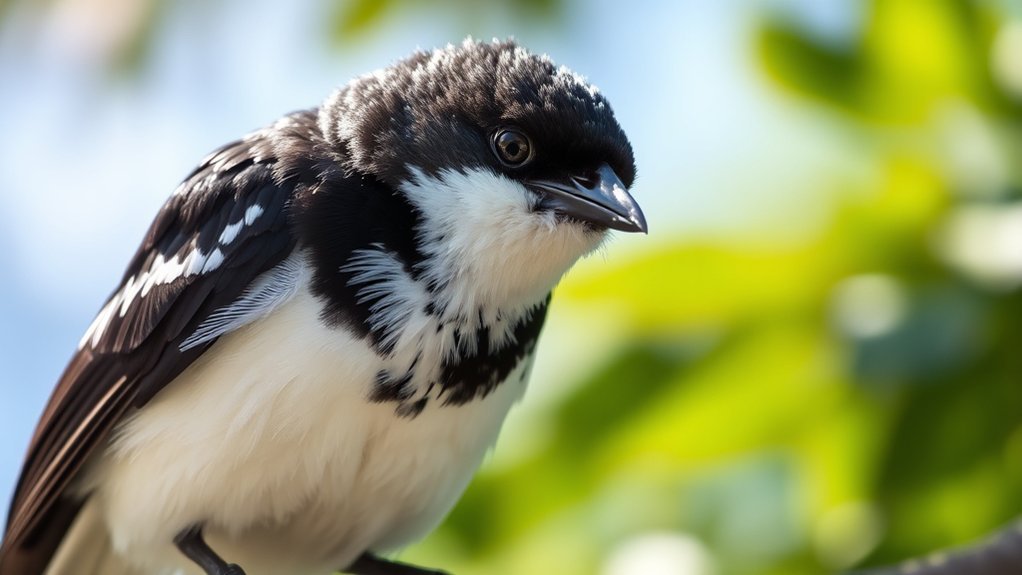
Black and white birds have special traits that help birdwatchers recognize them. Their colors stand out, making it easier to spot different species. Look closely at the edges of their feathers. Sharp changes can tell you which bird you're seeing.
These birds also show interesting behaviors. Many have unique ways of flying or calling that help you tell them apart. Watching how they move and interact in their surroundings can help you learn more about them.
Paying attention to these details can improve your skills in spotting birds. It can also make you feel more connected to nature and to other birdwatchers.
Enjoy your time watching these amazing black and white birds!
Common Black and White Bird Species
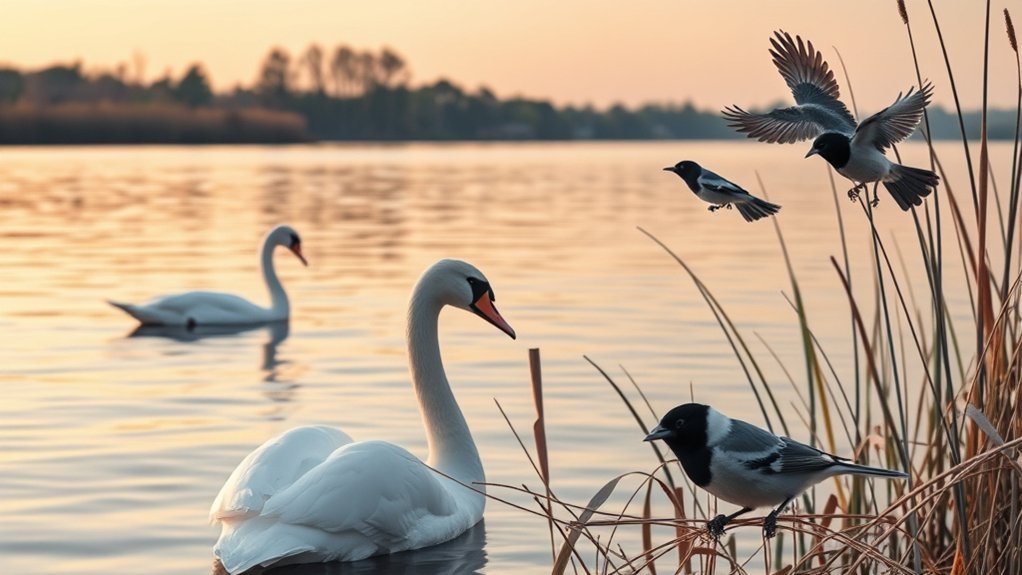
Many birdwatchers find common black and white birds easy to spot. For example, the American Tree Sparrow has clear markings that help people identify it.
The Black-capped Chickadee stands out with its unique look and charm.
Magpies, like the Eurasian Magpie, are known for their smart behavior and social skills. Watching how they search for food shows how they adapt and find resources in their environment.
The Black-and-white Warbler adds to this list with its interesting way of foraging along tree trunks.
When you learn to identify these birds, you grow your appreciation for nature and build connections with other birdwatchers.
Keep an eye on their habits, and you'll improve your skills in spotting these fascinating birds!
Habitats and Behavior to Observe
Black and white birds are fun to watch. They live in different places and act in interesting ways that show us how they survive.
- The Killdeer is a graceful bird. You can see it in open fields. It runs fast and pretends to have a nest to protect its eggs.
- The Black-capped Chickadee is striking. It moves quickly between branches and shows off its flying skills.
- Near water, you might spot the Belted Kingfisher. This bird dives straight down to catch fish.
- At dusk, look for the American Woodcock. It flies high in the sky to impress other woodcocks while looking for a mate.
Each bird has a special place where it lives and behaviors that help it survive.
Observing them can teach us a lot about the environment!
Seasonal Changes and Migration Patterns
As the seasons change, you'll see different behaviors in black and white birds. Their migration can tell you when spring arrives or when winter is near.
For instance, birds like the Black-capped Chickadee live in cold areas but move to warmer places when it gets really cold.
Look at where they hang out during the year. In warmer months, they may be in open fields, but when it's time to migrate, they often go to quieter woods.
Watching these birds helps you learn about nature and how they behave. Each season has fun chances to connect with birds and improve your spotting skills.
Tools and Resources for Birdwatching
Birdwatching is a fun hobby that can be even better with the right tools and resources. Having the right gear helps you see and learn about birds more easily.
It also allows you to meet other people who love watching birds. Here are some must-have items for your birdwatching kit:
- Field guides: These books help you learn about different birds and their colors.
- Binoculars: These let you see birds up close without scaring them away.
- Birdwatching apps: These apps give you real-time information and show what birds people are seeing nearby.
- Notebook: Keep a notebook to write down what you see and how you felt about it.
Using these tools can make birdwatching more enjoyable and help you get better at spotting birds. Plus, they can help you connect with other bird lovers.
Dive into these resources and make your birdwatching trips more exciting and shared with friends!
Tips for Enhancing Your Birdwatching Skills
The right tools can make birdwatching more fun, but your skills are just as important. Here are some tips to help you become a better birdwatcher.
First, use good techniques. Walk slowly and try to blend in with nature. Look for interesting behaviors, like how birds search for food. This can help you tell different species apart.
Change your viewing spots. If you climb higher, you might see birds doing things like building nests. If you stay low, you might catch them eating.
Keep a field journal. Write down what you see. Note the colors, sounds, and places you spot different birds. This practice will improve your memory and help you learn more.
Join birdwatching groups. Talking to other bird lovers can give you new ideas and help you grow your skills. You'll also make friends who love birds as much as you do.
Enjoy your birdwatching journey!
Frequently Asked Questions
How Can I Attract Black and White Birds to My Backyard?
To attract black and white birds to your backyard, you can do a few simple things. First, set up bird feeders and fill them with black oil sunflower seeds. These seeds are tasty for many birds and will bring them to your yard.
Next, place the feeders near some bushes or trees. Birds feel safer and more at home near these plants. This way, you'll have a nice spot to watch them as they visit for food.
With a little patience and care, you can enjoy watching these beautiful black and white birds in your backyard!
What Time of Day Is Best for Spotting These Birds?
To spot black and white birds, pay attention in the morning. This is when they fly around looking for food. You can also see them in the evening as they settle down for the night. Both times are great for watching these birds. Enjoy your bird watching!
Are There Any Myths About Black and White Birds?
Many myths exist about black and white birds. These birds often symbolize duality and change in different cultures. People see them as reminders of life's challenges and hopes. They encourage us to look closer and find deeper meanings in what we observe.
Can Weather Affect Black and White Bird Sightings?
Yes, the weather can change how often we see black and white birds. When seasons change, like in spring or fall, birds migrate. This means they move to different places to find food and nest. If it gets warmer or rains more, birds might find better spots to eat and raise their young. This can lead to more of these birds showing up in your area. So, if you want to see them, keep an eye on the weather!
What Should I Do if I Find an Injured Black and White Bird?
If you find an injured black and white bird, the best thing to do is call a local bird rescue or rehabilitation center. They know how to take care of sick or hurt birds. They will help the bird heal and get back to its home in the wild. It's important to act quickly, so the bird can get the help it needs as soon as possible. Remember, you are helping a little creature in need!

Luna is the passionate founder and author of Birds and You, a website dedicated to sharing her love for birds with fellow enthusiasts. Through her engaging articles and guides, she aims to educate and inspire others to explore the fascinating world of birds. When she’s not writing, you can find Luna observing birds in their natural habitats or sharing beautiful bird photography on Pinterest. Join her on this journey to celebrate and protect our feathered friends!