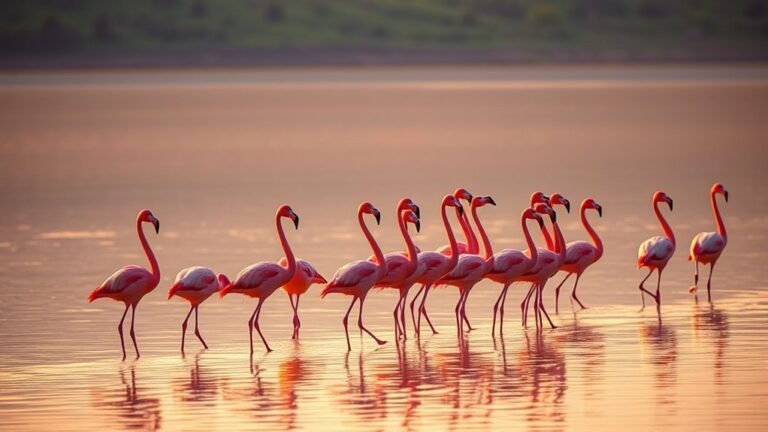

Ducks of Minnesota: A Comprehensive Guide
Minnesota has many kinds of ducks. You can see both common ducks and those that come here only for a while. Each type of duck has its special traits and needs.
To enjoy these ducks more, try to learn about their seasonal habits. Knowing where they like to live and how they interact with each other can make watching them more fun.
Also, think about how people help protect these birds and their homes. There's a lot to discover about ducks in Minnesota and how they fit into nature. So grab some binoculars and get ready to explore!
A Quick Overview
Minnesota is home to many types of ducks that bird lovers enjoy watching. Some of the most common ducks here are the Mallard, American Black Duck, and Northern Pintail.
Ducks in Minnesota like to nest in places with lots of trees and open water. These areas give them food and shelter they need to stay safe and healthy.
Every year, ducks migrate. This means they travel from their homes in the north to warmer places in the south. They decide when to go based on changes in the weather and nature.
Wetlands are very important for ducks. Sadly, these areas are disappearing because of things like building and pollution. We need to work hard to protect duck homes.
Getting the community involved in projects about nature and hosting educational events can help everyone understand how to keep ducks and their habitats safe. Together, we can make a difference!
Overview of Minnesota's Duck Species

Minnesota is home to many kinds of ducks that birdwatchers love to see. Knowing how to identify these ducks is important for enjoying their beauty. Look for things like feather colors, the shape of their bills, and their sizes to tell them apart.
Some ducks like to nest in wooded wetlands, while others prefer open water. Watching how they act during their courtship can also help you understand them better.
Connecting with other bird lovers can make your experience even more fun. Sharing stories about Minnesota's amazing ducks brings people together and helps everyone appreciate these lovely birds more.
Common Species of Ducks in Minnesota
When you visit Minnesota's wetlands and lakes, you'll see many types of ducks. Some of the most common ones are the Mallard, American Black Duck, and Northern Pintail.
To help you recognize these ducks, look for features like their colors, bill shapes, and sizes. For example, male Mallards have bright green heads, making them easy to spot.
Watch how they feed, too. Many ducks called dabblers will eat from the surface or tip their bodies to get underwater plants. Others, called divers, dive deep to find food.
Seasonal Migration Patterns

Ducks in Minnesota are interesting to learn about, especially their migration patterns.
Every year, ducks travel from their breeding areas in the north to warmer places down south for the winter. Common ducks like the Mallard and Northern Pintail follow specific routes. They know when to go based on their instincts and nature's clues.
In early spring, these ducks return to Minnesota. They find their own spots to build nests and raise their young.
As summer ends, they start flying south again, usually in big flocks.
By understanding when and how ducks migrate, we can better appreciate the rich environments they live in. Observing this journey connects us with nature and reminds us of the cycles of life that happen each year.
Ideal Duck Habitats in Minnesota
Duck habitats in Minnesota are very important. They help ducks during migration and breeding seasons. Wetlands like marshes and shallow lakes are great places for ducks. These areas provide food and shelter for them.
In wetlands, many plants grow. This vegetation gives ducks food to eat and places to hide from predators. It's important to protect these wetlands from city development and pollution.
You can get involved in local conservation efforts. This helps keep these habitats safe and healthy.
Healthy wetlands attract different types of waterfowl. This makes Minnesota even more beautiful.
When we understand how important these habitats are, we feel more connected to nature. It encourages everyone in the community to take care of these places.
Let's work together to protect our duck habitats!
Duck Behaviors and Social Structure

Ducks might look simple, but they've interesting behaviors and social structures that help them survive in Minnesota. Did you know that ducks show off with special moves and sounds to find mates? These courtship displays help them form bonds and get ready to raise families.
Ducks also have social ranks, which help keep peace in their groups. Here are three behaviors that show how they interact:
- Male ducks often compete to show who's in charge, especially during mating season.
- Ducks work together to find food, which helps everyone eat better.
- They use alarm calls to warn each other about danger, keeping the whole group safe.
Learning about these behaviors helps us appreciate the lives of ducks in Minnesota. They're more than just birds—they have their own ways of living and working together!
Best Locations for Duck Watching
If you love watching ducks, Minnesota is a great place to go! One of the best spots is the Minnesota Valley National Wildlife Refuge. Here, you can see many types of ducks, including the pretty wood ducks and common mallards.
Lake Minnetonka is another fantastic choice. Its shores are easy to reach, and ducks often swim around in the beautiful water.
If you want a quieter spot, check out the wetlands at Sherburne National Wildlife Refuge. This place has many different kinds of ducks and is perfect for peaceful watching.
Remember to keep your distance from the ducks. This helps them feel safe and stay calm in their homes. Enjoying these locations can make your duck-watching trips even better and help you connect with other people who love birds too!
Tips for Spotting Duck Species
Want to see different types of ducks? Here are some easy tips to help you spot them!
- Know Where to Look: Different ducks like different places. Learn where they like to nest and find food. Some ducks enjoy ponds, while others prefer rivers or marshes.
- Listen for Their Sounds: Ducks have special calls. If you learn what they sound like, you can find out which ducks might be nearby. Pay attention to the quacks and whistles!
- Pick the Right Time: Ducks are most active in the early morning and at sunset. Try to go birdwatching during those times for the best chance to see them.
By blending in, listening carefully, and being at the right place at the right time, you can improve your chances of spotting a variety of duck species.
Happy duck watching!
Conservation and Protection Efforts
Ducks are in trouble because they're losing their homes. This happens because of habitat loss and changes in the environment.
To help ducks, we need to work on conservation and protection efforts.
One way to help is by joining local projects that restore wetlands and forests. These places are important for ducks to build nests and find food. When you get involved in your community, you can spread the word and help others understand why these habitats matter.
Many organizations hold events to teach people about protecting these ecosystems. By teaming up with others who care about ducks, you create a strong group focused on keeping Minnesota's duck populations safe.
Every little bit you do can help improve the chances of ducks surviving and having healthy places to live. Let's work together to make a difference!
Waterfowl Hunting Regulations in Minnesota
If you want to hunt waterfowl in Minnesota, it's important to know the rules. These rules help keep the ducks safe and ensure everyone has a good time while hunting.
Here's what you need to remember:
- Get your hunting licenses: Make sure you have a current waterfowl hunting license. You also need a federal stamp to hunt legally.
- Know the hunting seasons: Each type of waterfowl has its own hunting season. Check the dates to know when you can hunt.
- Stay safe: Always wear a life jacket when you're on the water. Handle your gun safely to avoid accidents.
Following these rules helps you hunt responsibly and protects the duck habitats we all enjoy.
Happy hunting!
Frequently Asked Questions
What Are the Best Times of Year for Duck Photography in Minnesota?
If you want to take great pictures of ducks in Minnesota, the best times to go are during fall migration and breeding season.
In the fall, ducks fly south. They have bright colors on their feathers during this time. This makes for beautiful photos. You can also see interesting duck behaviors as they travel.
During breeding season, ducks are active. Males show off their bright feathers to attract females. This is a great time to capture unique moments.
How Can I Attract Ducks to My Backyard or Pond?
To attract ducks to your backyard or pond, start by offering food. Ducks love grains and seeds, so scatter some around for them to eat.
Next, make your yard feel like a safe home for ducks. You can do this by adding nesting materials like straw or grass. This way, ducks will have a cozy place to rest and lay eggs.
Are There Any Duck-Related Festivals or Events in Minnesota?
Minnesota has many fun duck festivals and events. These gatherings celebrate duck hunting and activities related to ducks.
At these events, you can find educational booths that teach you about ducks. There are also cooking demonstrations where you can learn how to prepare duck dishes. Plus, there are lots of fun activities that bring duck lovers together.
If you enjoy ducks or hunting, these festivals are a great way to connect with others who share your interests. You can make friends and learn new things while having a good time!
What Should I Do if I Find an Injured Duck?
If you find an injured duck, here's what you can do. First, help the duck by keeping it warm and quiet. You can place it in a small box with a soft cloth. This will make it feel safer.
Next, call a vet or a wildlife rescue. They can look at the duck and decide how to help it get better. It's important to get professional help as soon as possible. Remember, the duck needs care to recover!
How Can Kids Participate in Duck Conservation Activities?
Kids can help with duck conservation in fun ways! One way is by playing duck identification games. These games help kids learn to recognize different types of ducks while also working together as a team.
Another great activity is joining habitat restoration projects. In these projects, kids can help clean up areas where ducks live or plant new trees and plants. This makes the environment better for ducks and helps kids feel like they are part of something important.

Luna is the passionate founder and author of Birds and You, a website dedicated to sharing her love for birds with fellow enthusiasts. Through her engaging articles and guides, she aims to educate and inspire others to explore the fascinating world of birds. When she’s not writing, you can find Luna observing birds in their natural habitats or sharing beautiful bird photography on Pinterest. Join her on this journey to celebrate and protect our feathered friends!