How Do I Attract Woodpeckers to My Backyard Feeder?
Woodpeckers add excitement to backyards. Their bright colors and unique behaviors captivate bird watchers.
This guide provides practical advice to draw woodpeckers to your outdoor space. You will learn about their food preferences, ideal feeder types, and habitat needs.
By following these tips, you can create a welcoming environment for these fascinating birds.
Key Takeaways: Attracting Woodpeckers to Your Backyard
- Food Preferences: Woodpeckers enjoy suet, peanuts, sunflower seeds, and fruits.
- Feeder Types: Use suet feeders, platform feeders, and tube feeders.
- Placement: Set feeders near trees or on tree trunks.
- Natural Attractions: Plant native trees and shrubs that produce berries and seeds.
- Water Source: Provide a shallow birdbath for drinking and bathing.
- Habitat: Leave dead trees or create brush piles for shelter.
- Avoid Pesticides: Maintain an organic garden to ensure a healthy insect population.
- Year-round Attraction: Offer food sources throughout all seasons.
- Safety: Install baffles to protect feeders from squirrels.
- Patience: It may take time for woodpeckers to discover your feeder.
Attracting woodpeckers to your backyard can be a rewarding experience for any bird enthusiast. These unique birds not only add visual interest but also play a crucial role in maintaining the ecological balance of your garden.
By creating an inviting environment with the right food, shelter, and water sources, you can transform your backyard into a woodpecker haven.
Understanding the specific needs of woodpeckers is key to successfully attracting them. From their preferred food types to their habitat requirements, each aspect plays a vital role in making your backyard an irresistible destination for these fascinating creatures.
Choose the Right Food for Woodpeckers
Woodpeckers have specific food preferences. Offer a variety of foods to attract different species. Suet ranks as the top choice for most woodpeckers.
This high-energy food appeals to them, especially in colder months. Peanuts, both whole and crushed, also attract woodpeckers. Sunflower seeds, particularly the black oil variety, serve as another favorite.
Some woodpeckers enjoy fruits. Offer oranges, grapes, or apples to attract fruit-loving species. Mealworms provide a protein-rich option that many woodpeckers appreciate.
Providing a diverse menu for woodpeckers increases your chances of attracting various species to your backyard.
Each type of food offers different nutritional benefits, catering to the varied dietary needs of these birds. By offering a range of options, you create a more appealing and sustainable feeding station for woodpeckers.
Remember that consistency in food supply is crucial. Woodpeckers may take time to discover and trust a new food source, so patience and regular replenishment of feeders are key to success.
Select Appropriate Feeders
The right feeder type plays a crucial role in attracting woodpeckers. Suet feeders work best for offering suet cakes. These feeders often have a tail prop area, allowing woodpeckers to rest their tails while feeding.
Platform feeders and hopper feeders work well for offering seeds and nuts. Some woodpeckers can cling to tube feeders, especially if they have sturdy perches.
Consider a suet log feeder made from a birch log with holes drilled for suet plugs. This natural-looking feeder appeals to woodpeckers and mimics their natural feeding behavior.
Choosing the right feeder not only attracts woodpeckers but also ensures their comfort and safety while feeding. Different feeder designs cater to the unique feeding habits of woodpeckers, such as their ability to cling vertically or their need for tail support.
By providing a variety of feeder types, you can accommodate different woodpecker species and their preferences.
It’s also important to maintain your feeders regularly, keeping them clean and in good repair to prevent disease transmission and ensure the birds’ safety.
Optimal Feeder Placement
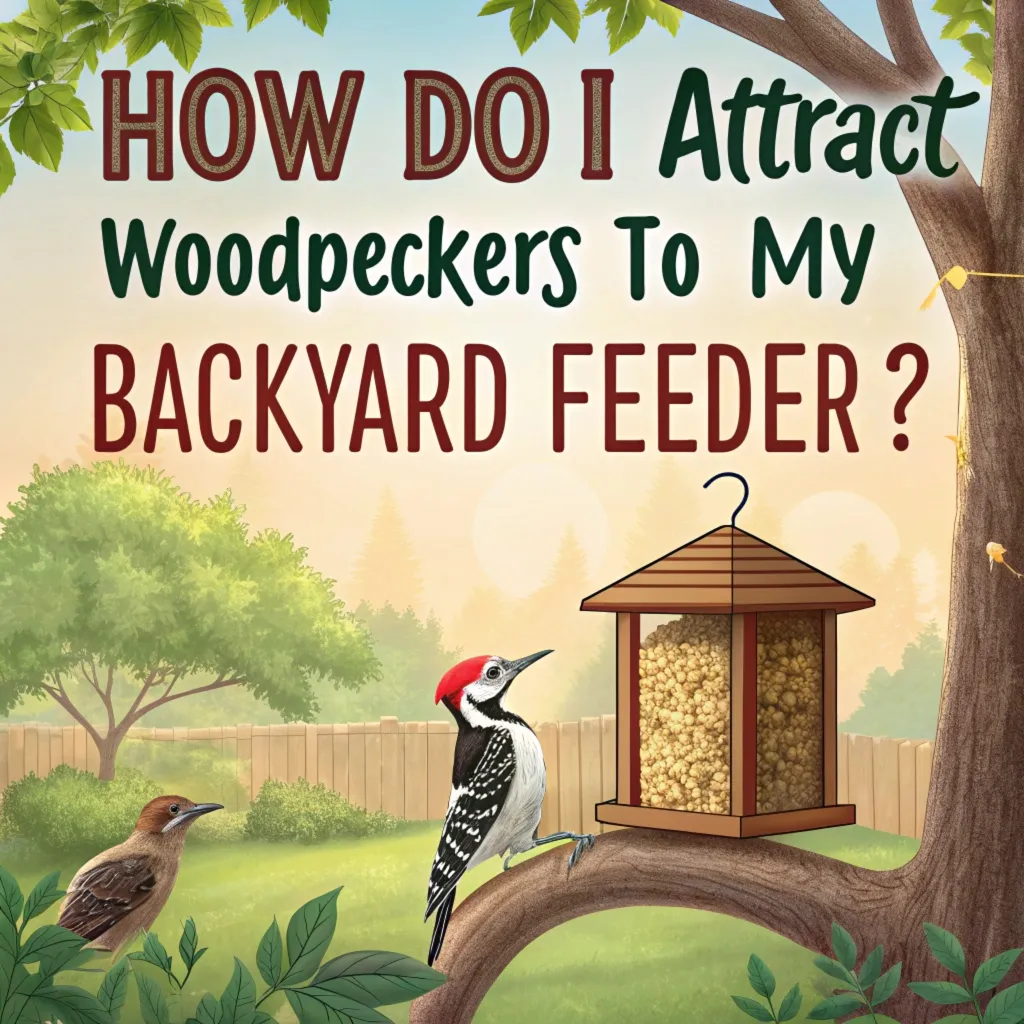
Proper feeder placement increases your chances of attracting woodpeckers. Place feeders near trees or on tree trunks. Woodpeckers feel more comfortable feeding close to their natural habitat.
Set up feeders in a quiet area away from busy spots in your yard. Ensure the feeding area offers a clear view of potential predators, allowing woodpeckers to feel safe while eating.
Strategic placement of feeders is crucial for attracting woodpeckers and ensuring their safety. Woodpeckers prefer environments that mimic their natural habitats, so positioning feeders near trees or wooded areas can significantly increase their appeal.
Additionally, considering the birds’ need for security while feeding can make your backyard a more attractive destination for them.
Experiment with different locations in your yard to find the most effective spots for attracting woodpeckers. Observe their behavior and adjust feeder placement accordingly to maximize your chances of regular woodpecker visits.
Create a Woodpecker-Friendly Habitat
Enhance your yard to make it more appealing to woodpeckers. Plant native trees and shrubs that produce berries and seeds. Oak trees, maple trees, and dogwood shrubs attract woodpeckers and provide natural food sources.
Leave dead trees or snags standing if safe to do so. These provide natural feeding and nesting sites for woodpeckers. If you can’t keep dead trees, create a brush pile or leave a section of your yard more natural.
Creating a diverse habitat in your backyard is essential for attracting and sustaining woodpecker populations. A mix of mature trees, shrubs, and open areas provides woodpeckers with various resources for feeding, nesting, and shelter.
This approach not only benefits woodpeckers but also enhances the overall biodiversity of your garden.
Consider incorporating native plants that attract insects, as many woodpecker species rely on insects as a significant part of their diet. This natural food source can be a powerful attractant for woodpeckers.
Provide a Water Source

Woodpeckers need water for drinking and bathing. Install a shallow birdbath in your yard. Place it near trees or shrubs to make woodpeckers feel secure while using it.
Consider adding a water dripper or mister to create moving water, which attracts birds more effectively.
A reliable water source is often overlooked but is crucial in attracting woodpeckers and other birds to your backyard. Fresh, clean water serves multiple purposes for birds, including hydration, feather maintenance, and cooling during hot weather.
By providing a consistent water source, you create an additional incentive for woodpeckers to visit and stay in your yard.
Regularly clean and maintain your water features to ensure they remain safe and attractive to birds. Consider adding a heating element to your birdbath during winter months to provide a year-round water source for woodpeckers and other birds.
Avoid Pesticides
Maintain an organic garden to ensure a healthy insect population. Woodpeckers eat many insects, including ants, beetles, and grubs. By avoiding pesticides, you provide a natural food source for woodpeckers and other insect-eating birds.
Creating an organic environment in your backyard not only attracts woodpeckers but also promotes a healthier ecosystem overall.
Pesticides can eliminate the insects that woodpeckers rely on for food, making your yard less appealing to these birds.
By embracing natural pest control methods, you create a more inviting habitat for woodpeckers and other wildlife.
Consider incorporating companion planting and other organic gardening techniques to manage pests naturally while providing a rich food source for woodpeckers and other beneficial insects.
Offer Year-Round Attractions
Woodpeckers are non-migratory in many areas. Provide food sources throughout the year to keep them coming back.
In winter, increase the amount of suet and nuts offered. In spring and summer, include more fruits and mealworms in your offerings.
Maintaining a consistent food supply throughout the year is crucial for attracting and retaining woodpeckers in your backyard.
By adapting your offerings to the changing seasons, you can meet the varying nutritional needs of woodpeckers and ensure they have a reliable food source year-round. This consistency encourages woodpeckers to establish your backyard as part of their regular territory.
Consider researching the specific woodpecker species in your area and their seasonal dietary preferences to tailor your offerings more effectively.
This targeted approach can significantly increase your success in attracting and retaining woodpeckers.
Ensure Feeder Safety
Protect your feeders from squirrels and other animals that might scare away woodpeckers. Install squirrel baffles on feeder poles or hang feeders from branches using baffles. This ensures that woodpeckers can feed undisturbed.
Implementing safety measures for your feeders not only protects the food supply but also creates a more secure environment for woodpeckers.
Squirrels and other wildlife can quickly deplete feeders and intimidate birds, discouraging woodpeckers from returning. By using baffles and other deterrents, you create a safe haven for woodpeckers to feed without competition or threat.
Regularly inspect your feeders and baffles to ensure they remain effective. Consider using weight-activated feeders that close when heavier animals attempt to access them, providing an additional layer of protection for your woodpecker visitors.
Be Patient
Attracting woodpeckers may take time. Keep feeders well-stocked and maintain a consistent feeding schedule. Woodpeckers may take weeks or even months to discover and trust a new food source.
Patience is key when attempting to attract woodpeckers to your backyard. These birds are often cautious and may take time to discover and trust new feeding areas.
Consistency in your efforts, including regular feeder maintenance and food replenishment, is crucial for long-term success in attracting woodpeckers.
Use this waiting period to observe and learn about the birds that visit your yard. This knowledge can help you refine your approach and make your backyard even more appealing to woodpeckers over time.
Types of Woodpeckers You Might Attract
Different regions host various woodpecker species. Common backyard visitors include:
- Downy Woodpeckers: The smallest North American woodpecker, often seen at feeders.
- Hairy Woodpeckers: Similar to Downy Woodpeckers but larger.
- Red-bellied Woodpeckers: Despite their name, they have a red cap and nape.
- Northern Flickers: Often seen on the ground foraging for ants.
- Pileated Woodpeckers: The largest North American woodpecker, less common at feeders.
Understanding the species of woodpeckers in your area can help you tailor your attraction efforts more effectively. Each species has unique preferences for food, habitat, and feeding behavior.
By researching the specific woodpeckers native to your region, you can create a more targeted and successful attraction strategy.
Consider keeping a log of the woodpecker species you observe in your yard. This can help you track your success and adjust your methods to attract a wider variety of woodpeckers over time.
Dealing with Woodpecker Damage
While attracting woodpeckers, be aware of potential damage to wooden structures. If woodpeckers start drumming on your house, take steps to deter them:
- Use visual deterrents like reflective tape or wind chimes.
- Install physical barriers like netting or metal sheeting on affected areas.
- Offer alternative drumming sites like specially designed wooden drums for woodpeckers.
Balancing attraction and prevention is important when dealing with woodpeckers. While these birds are fascinating to observe, their natural behaviors can sometimes conflict with human structures.
By implementing deterrent strategies alongside your attraction efforts, you can create a harmonious environment that benefits both woodpeckers and your property.
Educate yourself on the reasons why woodpeckers might be attracted to your home, such as insect infestations in wood siding. Addressing these underlying issues can help prevent damage while still allowing you to enjoy woodpeckers in your yard.
Woodpecker Watching Tips
Once you’ve attracted woodpeckers, enhance your birdwatching experience:
- Use binoculars for a closer view without disturbing the birds.
- Keep a field guide handy to identify different species.
- Listen for drumming sounds, which can help locate woodpeckers.
- Observe feeding behaviors to learn more about different species.
Enhancing your observation skills can greatly enrich your woodpecker-watching experience. By learning to identify different species and understand their behaviors, you can develop a deeper appreciation for these fascinating birds. This knowledge can also help you refine your attraction strategies over time.
Consider joining local birdwatching groups or online forums to share your experiences and learn from other woodpecker enthusiasts.
This community engagement can provide valuable insights and tips for attracting and observing woodpeckers in your area.
Frequently Asked Questions
What is the best food to attract woodpeckers?
Suet ranks as the top food choice for attracting woodpeckers. It provides high energy and appeals to most woodpecker species.
How high should I hang a woodpecker feeder?
Hang woodpecker feeders at least 10 to 20 feet high. This height mimics their natural feeding zones in trees.
Do woodpeckers use birdhouses?
Some smaller woodpecker species use birdhouses for nesting and winter roosting. Ensure the entrance hole size matches the species you want to attract.
How can I stop woodpeckers from damaging my house?
Use visual deterrents, install physical barriers, and offer alternative drumming sites to prevent woodpecker damage to your home.
Are woodpeckers beneficial to have in my yard?
Yes, woodpeckers help control insect populations and play a crucial role in forest ecosystems. They also create nesting cavities used by other bird species.
By following these tips, you can create an inviting environment for woodpeckers in your backyard. Remember, consistency and patience are key when attracting these fascinating birds. Enjoy the unique beauty and behaviors woodpeckers bring to your outdoor space.

Luna is the passionate founder and author of Birds and You, a website dedicated to sharing her love for birds with fellow enthusiasts. Through her engaging articles and guides, she aims to educate and inspire others to explore the fascinating world of birds. When she’s not writing, you can find Luna observing birds in their natural habitats or sharing beautiful bird photography on Pinterest. Join her on this journey to celebrate and protect our feathered friends!