
Medium-Sized Birds: Common Species Overview
When you think about medium-sized birds, you find many different types. For example, the American Robin has bright colors, while the Blue Jay is bold and eye-catching. The Northern Mockingbird is interesting because it can mimic other birds' songs.
These birds live in various places and eat different foods, showing how they adapt to their surroundings. Learning about where they live and what they eat helps us understand their behavior better. As you dive into this topic, you will discover fun facts that might change how you view these common birds in your backyard.
A Quick Overview
- The Common Grackle is a medium-sized bird with shiny black feathers. It is known for acting boldly while looking for food in cities.
- American Robins have bright orange bellies. They build cup-shaped nests and eat many different foods, including insects and fruits.
- Blue Jays are social birds that are also medium-sized. They have bright blue feathers and are famous for making many different sounds. They like to store food for later.
- Northern Mockingbirds are great singers. They can copy the sounds of other birds. They like to nest in areas with shrubs.
- European Starlings have shiny feathers and often gather in large groups. They are smart and can adapt well when finding food.
American Robin

The American Robin is a special bird you can see in North America. It has a bright orange belly and a cheerful song that adds joy to the outdoors.
Robins build their nests in trees or bushes. They make a cozy cup-shaped nest using grass, twigs, and mud. This keeps their eggs safe and shows how they can adapt to different places.
Robins love to search for food on lawns. They eat a lot of insects, berries, and fruits. As the seasons change, they switch their food to find what's available.
Watching robins can be fun and helps you feel connected to nature. It's a great way to enjoy the outdoors and join other bird lovers in appreciating these charming birds.
Blue Jay
Let's talk about the Blue Jay! This bird is easy to spot with its bright blue feathers and cool crest on its head. It's not just pretty; Blue Jays have interesting habits and a varied diet that set them apart from other birds.
- Behavior: Blue Jays are smart and like to hang out with friends. You can often see them in groups. They make different sounds to communicate with each other.
- Diet: These birds eat many things. They love acorns, bugs, and fruits. Sometimes, they bury food to eat later.
- Interaction: Blue Jays have some fun tricks, like copying the sounds of other birds. They also have friendly chats with each other.
Learning about how Blue Jays act and what they eat helps us understand why they're important to nature.
Plus, it helps us feel more connected to the outdoors!
Northern Mockingbird

The Northern Mockingbird is a cool bird known for its great singing skills and ability to live in different places. You can spot them in cities, fields, and gardens.
This bird is special because it can copy the songs of other birds and sounds from its surroundings. This talent helps it find a mate and claim its space.
Mockingbirds like to live in areas with shrubs, where they can find food and make nests. Learning about how they adapt can help you appreciate their role in nature.
Whether you see them in your backyard or at a park, these birds invite you to enjoy their beautiful songs. Watching them makes any outdoor experience better!
European Starling
European Starlings are interesting birds with shiny feathers and fun social habits. Watching them can help you learn more about birds. Here are some important things about their lives:
- Social Groups: Starlings like to hang out in big groups. They talk to each other in special ways.
- Flexible Homes: They live in many places, like cities, parks, and farms.
- Eating Habits: Starlings eat bugs, berries, and seeds. They're very good at finding food wherever they go.
When you see them moving around, you'll notice how fast and clever they are.
Learning about European Starlings helps you appreciate nature and all the living things around us.
Common Grackle

You might see different birds in cities, but the Common Grackle is hard to miss. This bird is medium-sized and has shiny black feathers that sparkle with different colors in the light. It likes to live in many places, like parks and parking lots, and you often find it looking for food in groups.
Common Grackles are smart and brave. They make interesting sounds and have clever ways to find food. They aren't shy around people. They often look for leftover food, but they also eat insects and fruits.
If you watch them in their flocks, you can learn a lot about how they interact and survive in different environments. These birds are fun to observe!
Mourning Dove
Mourning Doves have soft cooing calls. You can often see them sitting on telephone wires or looking for seeds on the ground. They can live in many different places because they adapt well.
Here's some simple information about their behavior and where they live:
- Behavior: Mourning Doves are gentle birds. They like to fly in short, fluttery bursts.
- Habitat: You can find them in cities, parks, and open fields. They prefer places where they can easily find food.
- Nesting: They build their nests in shrubs, on trees, or even on the ledges of buildings.
Learning about these birds helps us appreciate how they fit into nature. This way, we can feel more connected to the different birds around us.
House Finch
The House Finch is a bird you can often see in city areas. They've bright colors and sing happy songs. These birds like to hang out in groups. You'll see them using different calls to talk to each other. House Finches can live in many different places, like parks and backyards.
When you watch them eat, you'll notice they enjoy seeds, grains, and fruits. They can eat many plant items, even those from your garden. This helps them find food easily, no matter where they are.
Red-shouldered Hawk
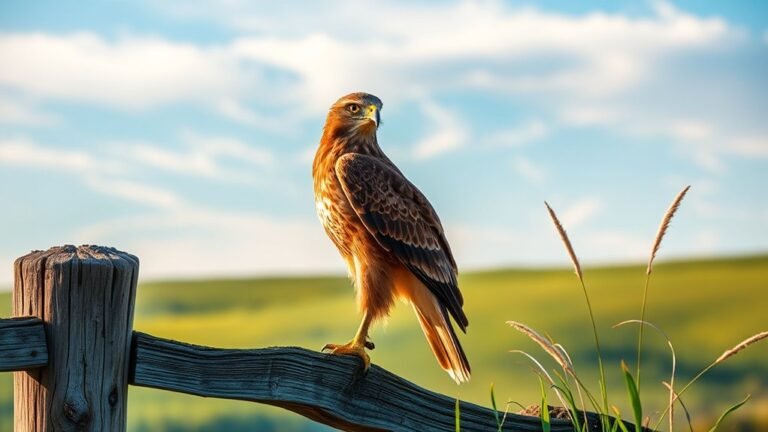
Red-shouldered Hawks are beautiful birds found in forests and near wetlands all over North America. They like to live in places that have both trees and open areas, which help them hunt for food.
- Habitat: Red-shouldered Hawks prefer mature forests, swamps, and the edges of open fields.
- Diet: They mainly eat small mammals, birds, and frogs.
- Behavior: These hawks are known for their loud calls. They often sit on branches and look out over their territory.
Learning about Red-shouldered Hawks helps us see how important they're to nature. By watching these birds, we can feel more connected to wildlife and understand why it's important to protect nature and all its creatures.
Frequently Asked Questions
What Habitats Do Medium-Sized Birds Prefer for Nesting?
Medium-sized birds like to build their nests in different places. They enjoy living in woodlands, wetlands, and even city areas. These spots give them safety from danger, food to eat, and good structures for making nests and raising their young. Each habitat offers the right mix of what they need to live and thrive. So, whether it's a forest, a wetland, or a neighborhood, medium-sized birds find comfortable places to call home.
How Can I Attract Medium-Sized Birds to My Backyard?
To attract medium-sized birds to your backyard, start by putting up bird feeders. Fill them with seeds that these birds like. You should also plant native plants. These plants provide food and shelter, making your yard a cozy home for birds.
With food available and places to hide, you can enjoy watching these birds visit your backyard. Plus, you help create a lively environment for them. Happy birdwatching!
What Is the Average Lifespan of Medium-Sized Birds?
Medium-sized birds can live for different lengths of time. How long they live often depends on what kind of bird they are and factors like what they eat, where they live, and if they have predators. Generally, most medium-sized birds live between 5 to 15 years. This means some might live longer, while others might not live as long. It's interesting to think about how different birds can have different lifespans!
Do Medium-Sized Birds Migrate? if So, When?
Yes, medium-sized birds do migrate. They often move during spring and fall. This change happens as they look for food and places to breed. Knowing about their migration can help you see how important they are in nature.
What Are Common Predators of Medium-Sized Birds?
Medium-sized birds have to watch out for different predators. Hawks are one big threat. They hunt during the day and are quick and smart. At night, owls become a danger. They can sneak up and catch these birds while they sleep. This makes survival tough for medium-sized birds.

Luna is the passionate founder and author of Birds and You, a website dedicated to sharing her love for birds with fellow enthusiasts. Through her engaging articles and guides, she aims to educate and inspire others to explore the fascinating world of birds. When she’s not writing, you can find Luna observing birds in their natural habitats or sharing beautiful bird photography on Pinterest. Join her on this journey to celebrate and protect our feathered friends!